


Hand Painted Porcelain Tray
A hand painted porcelain tray brings colour and painted detail to a table, combining ceramic form with miniature artistry.
Hand Painted Porcelain Tray
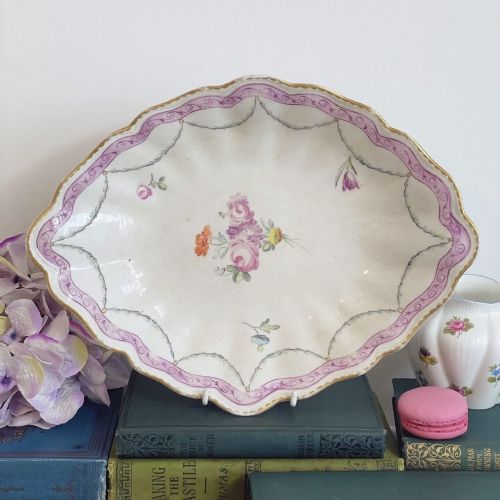
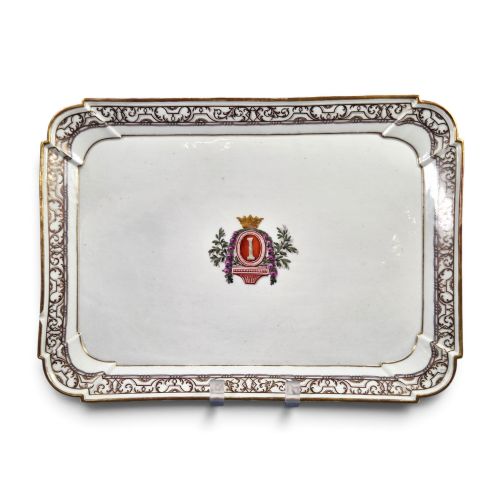
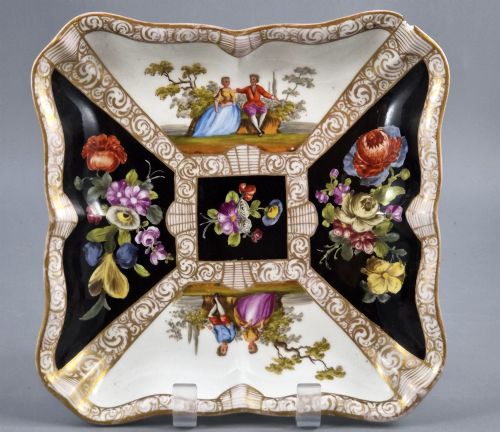
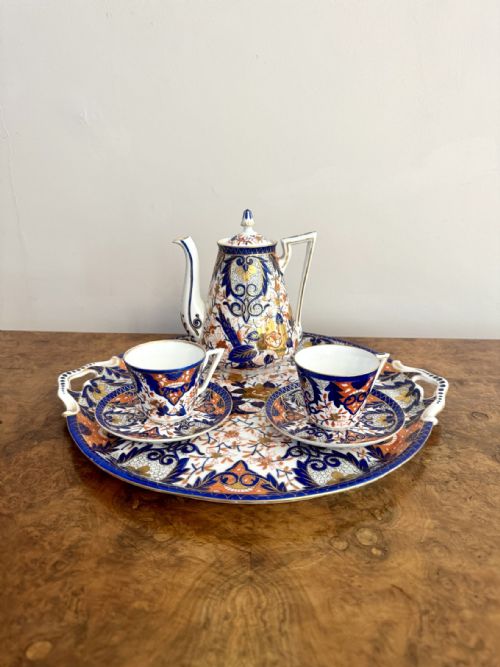
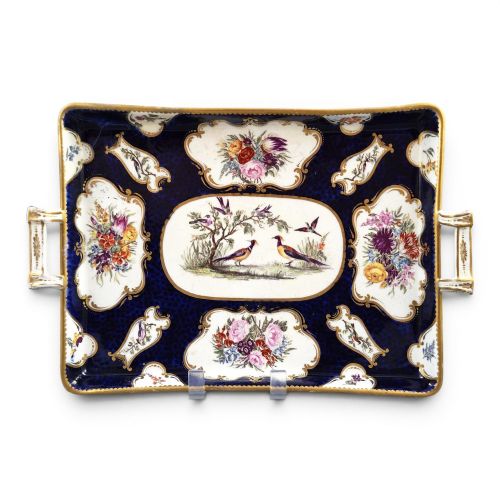
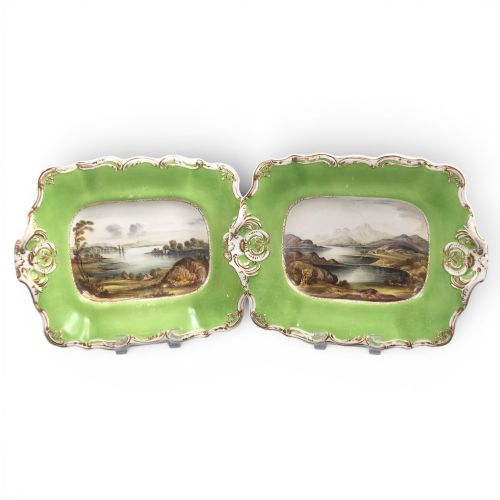
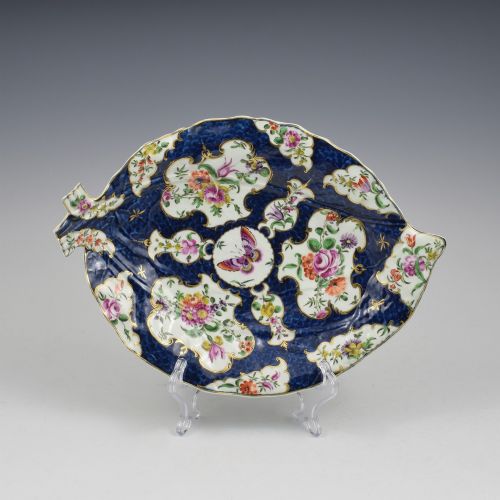
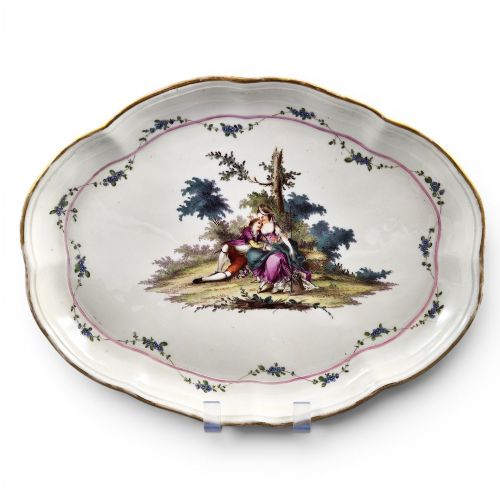
A hand painted porcelain tray encompasses serving dishes, pen trays, and dessert sets from the Regency, Victorian, and twentieth-century periods. These items range from large moulded serving pieces to smaller desk accessories designed for ink and pens.
The objects originate from English factories such as Worcester, Derby, and Ridgway, alongside French workshops and makers like George Richmond Collis. Such pieces demonstrate a mix of domestic utility and decorative refinement across different eras of manufacture.
How they were made
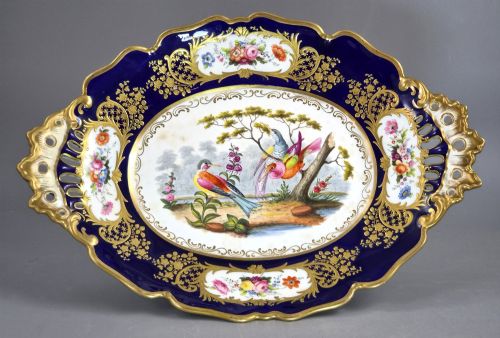
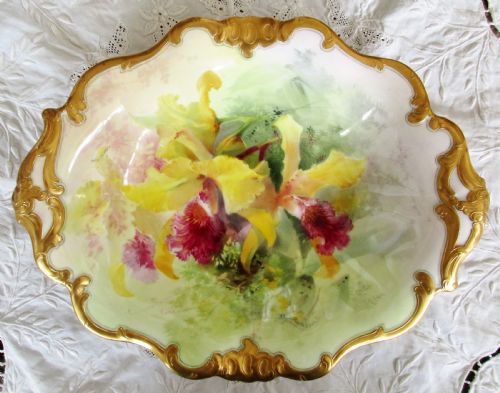
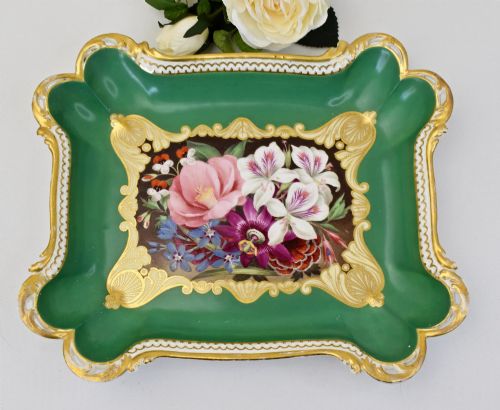
Potters shaped porcelain bodies through moulding and throwing before applying delicate pigments by hand. Gilding and gold leaf often accent the rims, whilst specific pieces incorporate ormolu mounts or silver-plated copper frames.
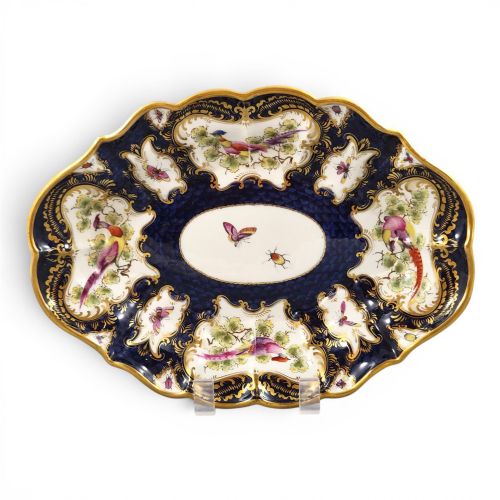
Painters executed detailed subjects directly onto the ceramic surface, including exotic birds and fine floral or abstract motifs. Firing fixed these enamels permanently into the glaze, creating a durable yet lustrous finish.
Hand Painted Porcelain Tray Retail Price Guide 2026
Typical asking prices for hand painted porcelain tray among the pieces listed under this phrase on Sellingantiques today, from the lower quarter to the upper quarter. They describe what is for sale here now, not the wider market.
Some trays were made solely to prevent ink from ruining expensive mahogany desks.
What varies in quality
Quality rests in the precision of the hand painting and the crispness of any moulded relief work. Skilled brushwork in complex subjects like exotic birds elevates a piece far above simple stencilled or hasty decoration.
The sophistication of the mounting materials, such as finely chased ormolu or heavy gilding, separates standard production from exceptional studio output. The purity of the porcelain body and the refinement of the form also dictate the tier of the piece.
Ridgway·Duesbury and Kean·George Richmond Collis
The Hand Painted Porcelain Tray Glossary
- Porcelain
- A fine, vitrified ceramic material made from kaolin and petuntse, fired at high temperatures to achieve a hard, white body. It provides a smooth canvas for delicate enamel painting.
- Ormolu
- Gilded bronze used for decorative mounts and framing on nineteenth-century pieces. This technique adds structural weight and metallic contrast to the ceramic tray.
- Gilding
- The application of gold leaf or powdered gold to ceramic surfaces or mounts. It is usually fired onto the porcelain to secure a permanent, reflective border.
- Enamel
- Opaque or translucent glass-based paints fused to the porcelain body during firing. These pigments retain their vivid colour and gloss over centuries.
Hand Painted Porcelain Tray: Frequently Asked Questions
How do I clean an antique porcelain tray?
Dust gently with a dry, soft cloth to protect the painted surface and any delicate gilding. Avoid soaking pieces that feature metal mounts, ormolu, or secondary frames.
Water can seep into old adhesives or vulnerable joints, so damp wiping should be kept to an absolute minimum.
Were these trays used for serving food?
Larger moulded pieces and dessert sets were designed for serving sweet dishes and fruits at formal dining tables. Pen trays served a different domestic function entirely, keeping writing desks orderly.
Each form reflects the specific social rituals of its period of manufacture.
How can I tell a Regency piece from a Victorian one?
Regency items often feature classical proportions and specific soft-paste characteristics influenced by earlier Derby and Worcester traditions. Victorian pieces frequently display heavier moulded relief and more vibrant polychrome enamels.
Examining the paste, style of painting, and any factory marks helps clarify the date.
Why do some trays include metal mounts?
Metal mounts in ormolu, silver plating, or copper added structural strength and decorative splendour to delicate porcelain plaques. French workshops frequently utilised these combinations to elevate desk trays and small dishes into luxury objects.
This integration of materials highlights the collaborative skill of metalworkers and ceramicists.