



Worcester Porcelain Tray
A Worcester porcelain tray brings centuries of ceramic artistry to your table, offering delicate forms and hand-painted detail.
Worcester Porcelain Tray
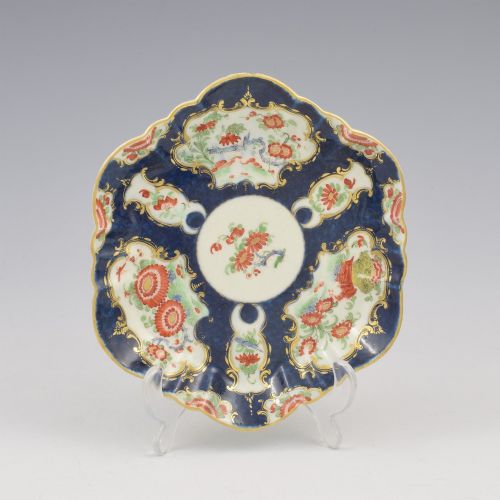
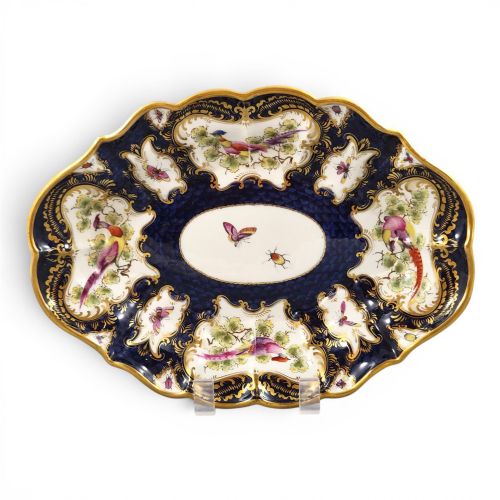
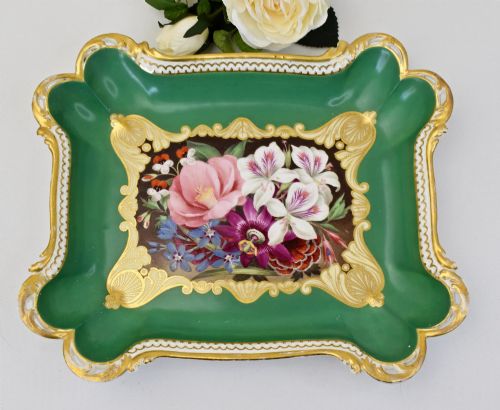
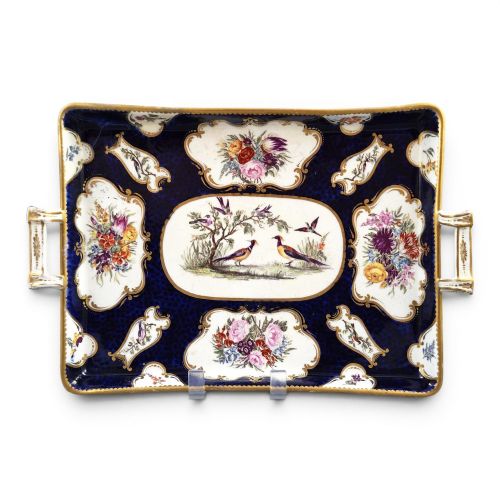
A worcester porcelain tray encompasses everything from an 18th century Dr Wall pickle dish to a 20th century Royal Worcester painted fruit piece. You will encounter serving dishes, teapot stands, dessert dishes, and pen trays across periods ranging from Georgian to Edwardian and mid-century. These items combine practical domestic utility with intricate decorative artistry.
The earlier examples lean towards soft-paste porcelain with blue scale grounds and exotic bird motifs in the tradition of James Giles. Later pieces shift into bone china and blush ivory finishes, alongside lavishly painted fruit scenes by notable artists. Each form reflects the changing tastes of its specific decade of production.
Materials and Methods
Makers utilised soft-paste porcelain and bone china as the primary body for these trays, finished with a smooth vitreous glaze. Enamel colours were meticulously hand-painted onto the surface, often enhanced with gold leaf and rich gilding. These combined components required precise kiln firings to fuse the intricate decoration securely to the ceramic base.
Techniques evolved from the underglaze blue printing and enamelling of the 18th century to the sophisticated overglaze fruit painting seen in later periods. Skilled hands applied polychrome motifs, ranging from Japanese-inspired Kakiemon designs to naturalistic floral sprays and botanical studies.
Worcester Porcelain Tray Retail Price Guide 2026
Typical asking prices for worcester porcelain tray among the pieces listed under this phrase on Sellingantiques today, from the lower quarter to the upper quarter. They describe what is for sale here now, not the wider market.
The listings here span porcelain, bone china, enamel, and gold leaf across Georgian, Victorian, Edwardian, and mid-20th century periods.
Judging Quality and Execution
Quality rests heavily on the crispness of the moulding, particularly in shell dishes and scalloped forms where edge definition matters. The precision of the hand-painted details - such as the feathering on exotic birds or the shading on fruit - separates standard production from exceptional studio work.
The presence of distinguished factory marks and identifiable artist signatures elevates a piece significantly. Furthermore, the preservation of the gilding and the purity of the white porcelain ground dictate the overall desirability and visual impact of the tray.
Dr Wall·James Giles·Chamberlain Worcester·Royal Worcester·Barr Flight and Barr
The Worcester Porcelain Tray Glossary
- Soft-paste porcelain
- An early ceramic composition of glass frit and white clay fired at lower temperatures than hard paste. This material yields a warm, slightly creamy body common in 18th century wares.
- Blush ivory
- A matte cream-coloured glaze introduced by Royal Worcester in the late 19th century. It served as a soft background for pastel floral decoration.
- Blue scale
- A patterned dark blue underglaze ground resembling fish scales, typically filled with segmented panels of birds or flowers. It is a hallmark of early Worcester production.
- Pickle dish
- A small, usually shell-shaped moulded dish intended for serving small relishes or condiments at the dining table. These pieces showcase early ceramic moulding techniques.
- Kakiemon
- A style of Japanese porcelain decoration featuring asymmetrical designs of birds and flowers in distinct enamel colours. Worcester factories frequently adopted this aesthetic during the 18th century.
Worcester Porcelain Tray: Frequently Asked Questions
How do I date an antique tray?
Dating relies on identifying factory marks, pattern numbers, and the specific ceramic body used in the piece. Early 18th century examples often feature crescent or disguised numerals, while later Victorian and Edwardian items bear standard printed Royal Worcester ciphers.
Style also provides a reliable guide, shifting from Rococo revival scrolls and blue scale grounds towards blush ivory and naturalistic painted fruit as the centuries progressed.
Were these trays meant for food?
Many forms were indeed created for culinary use, functioning as dessert dishes, pickle dishes, and serving platters at formal dining tables. Others served specific domestic purposes, such as teapot stands or pen trays for desks.
While robust enough for their original functions, today collectors generally treat them as decorative display items to preserve their painted surfaces and gilding from wear.
What is the Dr Wall period?
The Dr Wall period refers to the foundational years of the Worcester factory, operating under the partnership of Dr John Wall from the mid-18th century. Pieces from this era are celebrated for their soft-paste porcelain bodies and distinctive underglaze blue decoration.
Items bearing these early marks command strong interest due to their historical significance and the high level of craftsmanship involved in their creation.
How should I display my tray?
Displaying these trays safely involves using secure plate hangers or specialised vertical stands that distribute the weight evenly. Keeping them away from direct sunlight helps protect the stability of the enamel colours and gold leaf over time.
Given their varied shapes - from canoe pen trays to scalloped shell dishes - individual placement allows the distinct moulding and hand-painted details to remain clearly visible.