
Hand Painted Porcelain Set
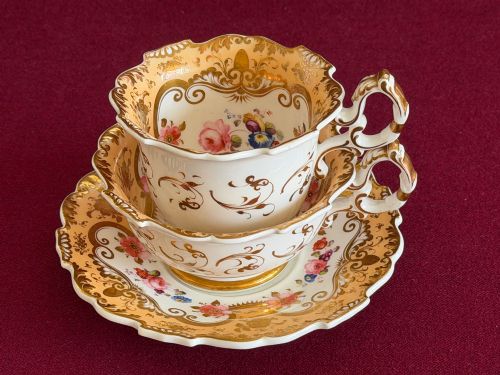
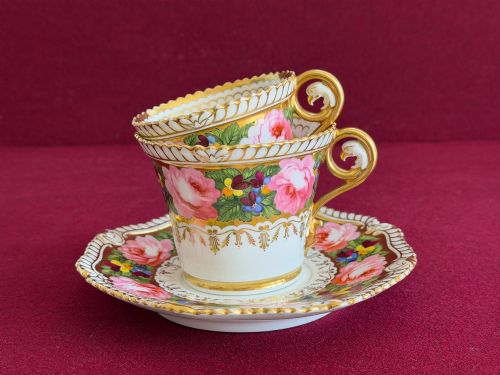
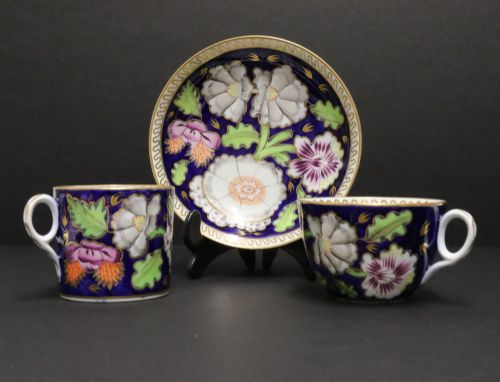
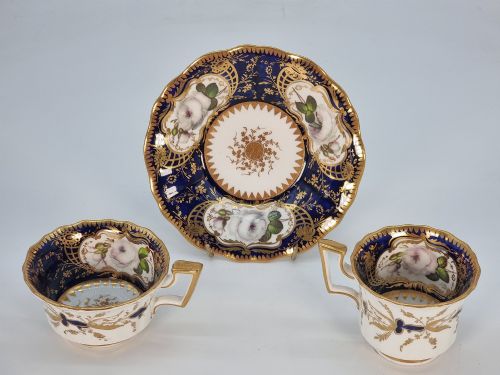
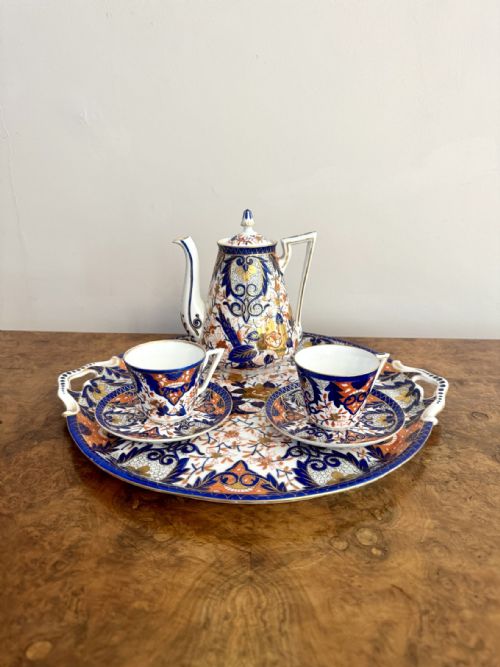
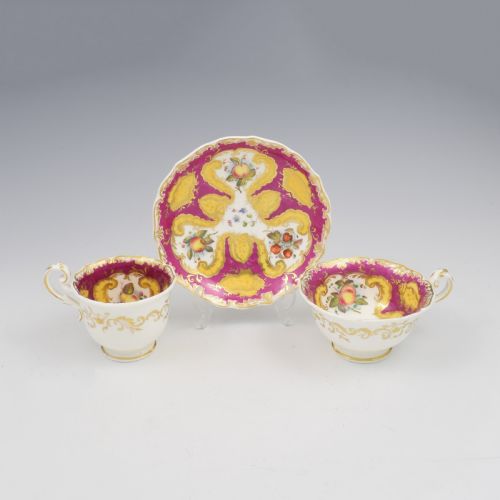
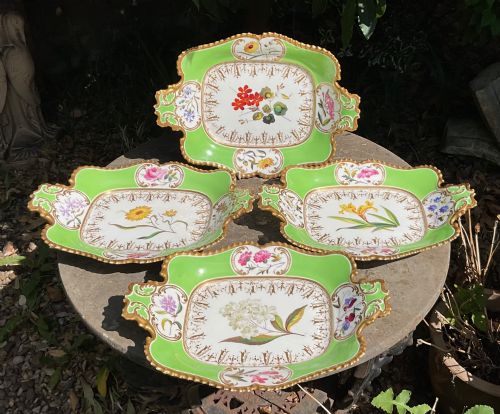
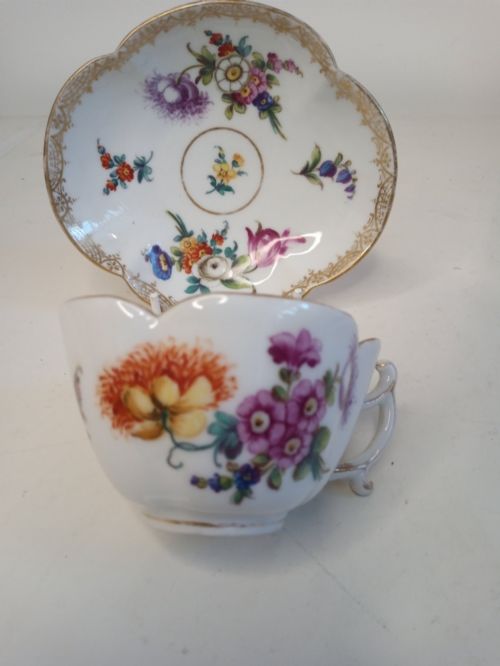
A hand painted porcelain set brings together matching ceramic pieces decorated by brush, carrying the patterns and colours of Georgian, Victorian and continental kilns.
Hand Painted Porcelain Set
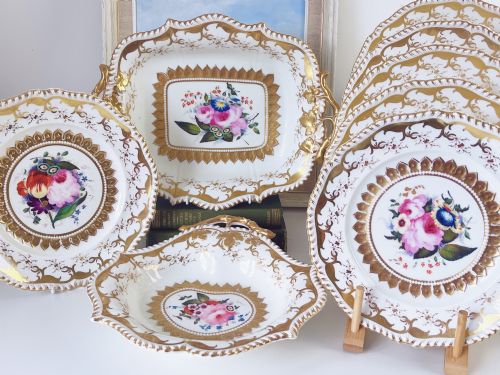
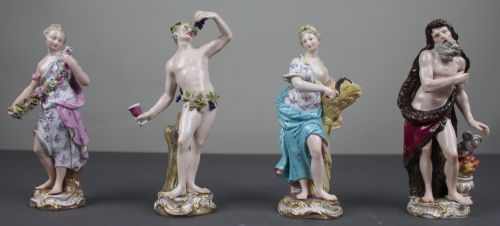
A hand painted porcelain set comprises matched groupings designed for dining, tea, or display, ranging from modest cabinet trios to large dinner services. The selection spans English factories like Coalport, Spode, and Daniel alongside continental works such as Meissen, KPM Berlin, and Sèvres.
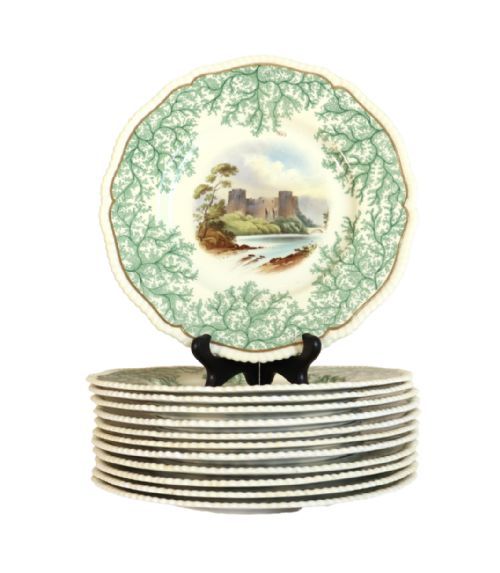
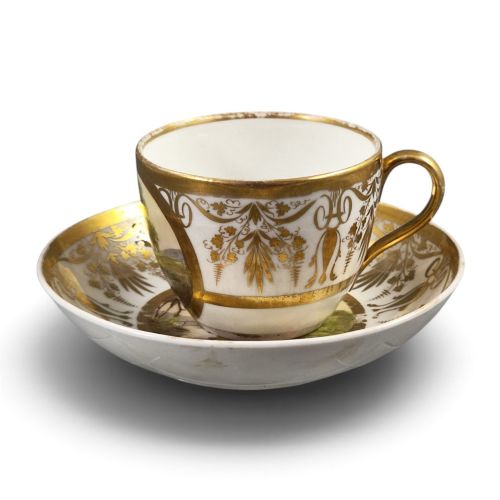
Most entries encountered on this page belong to the nineteenth century, covering Regency tea wares, Victorian dessert plates, and garnitures of vases. Forms vary from individual teacups and saucers to extensive multi-piece services bearing floral, landscape, or heraldic decoration.
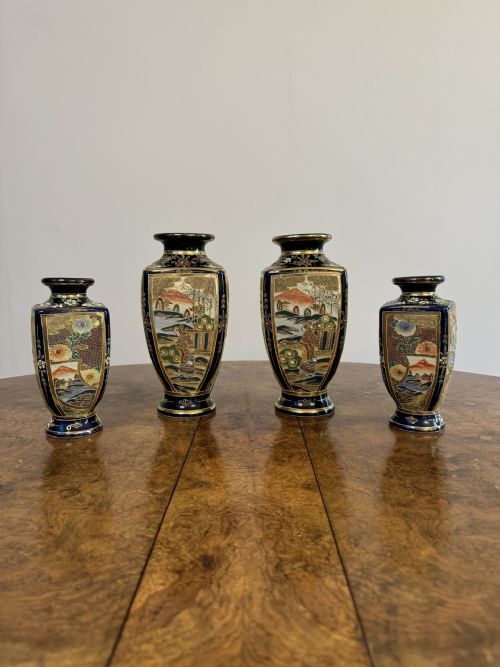
The material category includes fine porcelain, earthenware, and ironstone china, shaped into plates, dishes, tureens, and cups. Japanese Imari examples also appear, bringing distinct palettes and decorative motifs into the grouping.
Materials and technique
Pieces begin as moulded or thrown ceramic bodies, fired in kilns before receiving base glazes and hand-applied enamels. Artisans then paint decorative scenes, borders, and motifs directly onto the surface using mineral pigments.
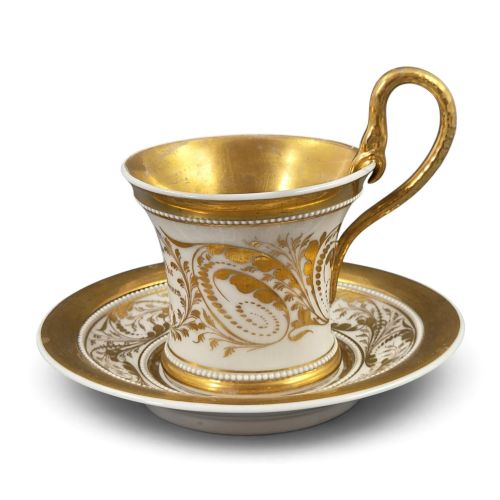
Gold leaf and liquid gilding provide metallic accents, often brushed onto handles, rims, and borders before a secondary low-temperature firing fixes the metal to the glaze.
Listings feature porcelain pieces spanning from Georgian tea wares to late Victorian decorative services.
What varies in quality
The standard of a hand painted porcelain set rests upon the precision of the brushwork and the delicacy of the initial ceramic body. Skilled painters achieved fine detail in facial expressions, botanical accuracy, and landscape perspective, whereas lesser pieces rely on hurried strokes and stencilled outlines beneath minimal hand touches.
The richness and application of the gilding further divide standard production from exceptional works. Thick, burnished gold leaf denotes high-status factory output, while thin or rubbed metallic paint indicates workshop pieces intended for everyday utility.
Grainger Lee And Co·Spode·H And R Daniel·Chamberlain Worcester·Newhall·Coalport John Rose·Meissen·Kpm Berlin·Royal Vienna·Aynsley·Doulton Burslem·Royal Doulton·Sevres·John Ridgway·Rockingham Pottery·Royal Worcester
The Hand Painted Porcelain Set Glossary
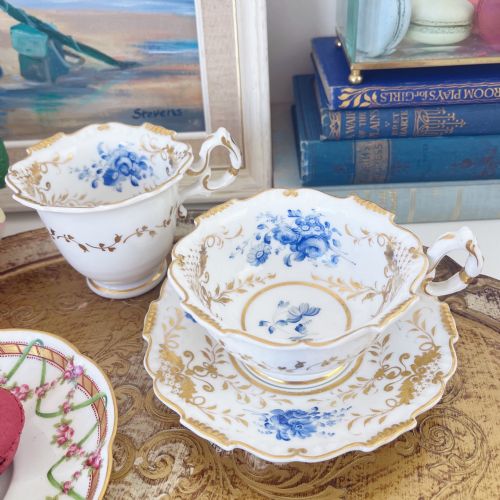
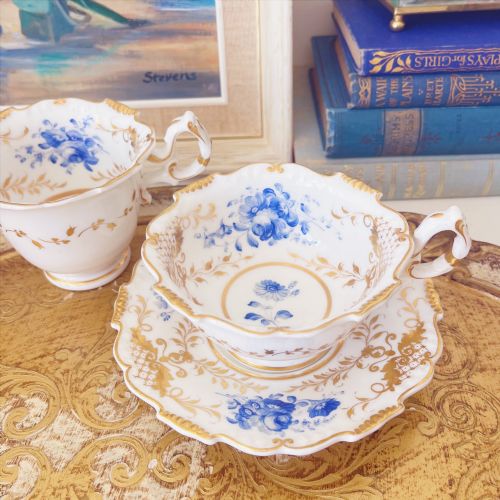
- Cabinet trio
- A matched set consisting of a teacup, a coffee cup, and a saucer intended for display rather than robust daily use.
- Garniture
- A set of three or five matching vases or vessels designed to sit together on a mantelpiece or sideboard.
- Imari
- A decorative style originating in Japan characterised by deep underglaze blue, iron red, and added gold highlights.
- Glaze
- A glassy coating fused to the ceramic body by heat, providing a smooth and impervious surface for painted enamel decoration.
- Streublumen
- A scattered flower pattern consisting of small, isolated floral sprays painted across a white porcelain ground.
Hand Painted Porcelain Set: Frequently Asked Questions
Can I use these sets for dining?
Most antique sets function safely for gentle dining or tea service, provided you avoid serving highly acidic foods that might stain aged glazes.
Delicate cabinet pieces and heavily gilded items are better reserved for display due to the vulnerability of their hand-painted enamel surfaces.
How do I date a porcelain set?
Examine the underside for factory marks, pattern numbers, and impressed ciphers that correspond to known historical operational periods of the kiln.
Stylistic clues such as Regency shapes or Victorian botanical borders also help narrow down the decade of manufacture when marks are absent.
What is the difference between a trio and a service?
A trio consists of a matching teacup, coffee cup, and saucer, created for a single person to enjoy different hot beverages during a meal.
A service comprises dozens of coordinated plates, bowls, or cups intended to furnish a complete dining table for multiple guests.