
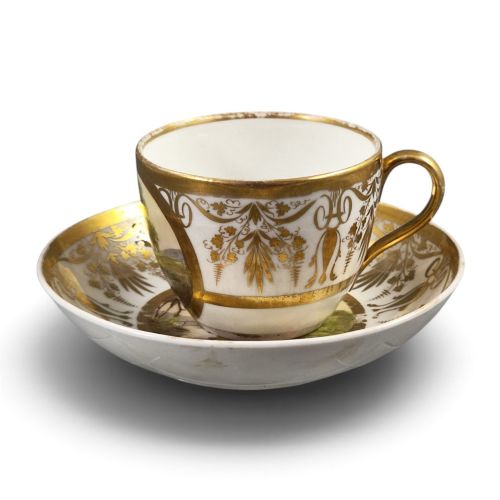


White Porcelain Coffee Set
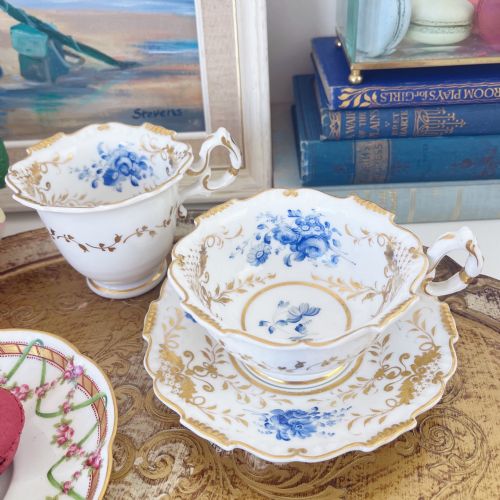
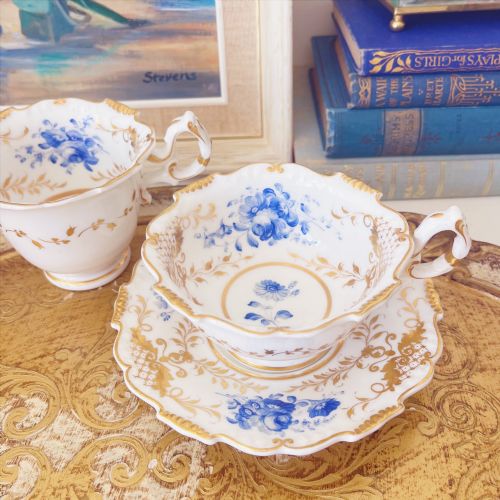
A white porcelain coffee set brings elegance to the table, offering fine ceramics shaped across centuries for morning service.
White Porcelain Coffee Set
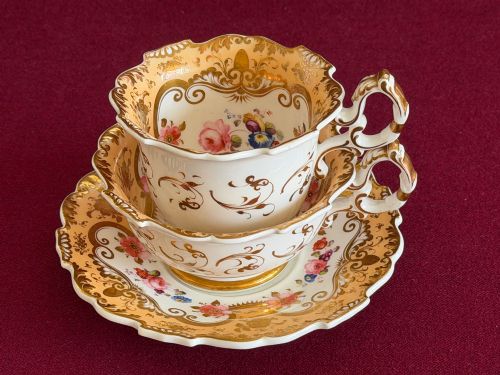
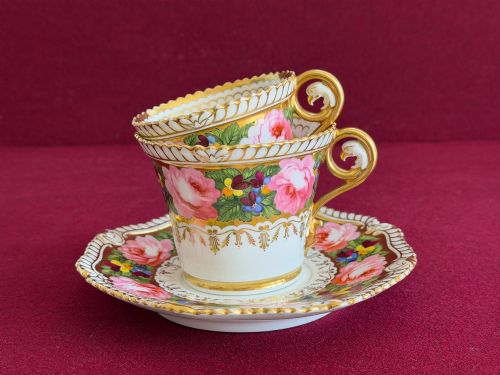
When you search for a white porcelain coffee set, you encounter diverse forms ranging from Regency trios to 1930 sets and 18th-century services.
The objects span coffee sets, demitasse cups and saucers, cabinet cups, and complete tête-à-tête services originating from English, French, German, and Russian makers.
Most pieces combine practical teaware utility with decorative handpainted or gilded detailing appropriate for formal entertaining.
What varies in quality
Quality rests upon the fineness of the porcelain body and the precision of the handpainted details.
The crispness of moulded shapes and the preservation of the gold leaf gilding distinguish finer examples from simpler production pieces.
Cow motifs on early nineteenth-century breakfast wares charm collectors who appreciate whimsical animal naming conventions.
H and R Daniel Shrewsbury·Chamberlain Worcester·KPM Berlin·Ahrenfeldt and Asalvary·Meissen Porcelain·Minton·Russian Imperial Porcelain Manufactory·Spode Copeland
The White Porcelain Coffee Set Glossary
- Demitasse
- A small cup used for serving strong coffee or espresso. These typically accompany a matching saucer.
- Trio
- A ceramic grouping consisting of a teacup, a coffee cup, and a matching saucer. This configuration appears frequently in Regency sets.
- Hard-paste porcelain
- A durable ceramic composition fired at high temperatures. It provides a smooth white base for enamel painting.
- Gilding
- The application of gold leaf or gold paint to ceramic surfaces. This decorative technique highlights rims, handles, and motifs.
White Porcelain Coffee Set: Frequently Asked Questions
How do I care for antique porcelain?
Antique porcelain requires gentle hand washing in warm water with mild soap. Avoid abrasive sponges and dishwashers to protect the enamel and gold leaf.
Store pieces securely with adequate padding between cups and saucers to prevent chips along the rims.
What is a coffee trio?
A coffee trio includes a coffee cup, a teacup, and a matching saucer. This combination allowed Victorian and Regency households flexibility during morning service.
Such configurations demonstrate the varied forms created by European potteries during the nineteenth century.
How are different periods distinguished?
Periods are identified through ceramic body composition, stylistic influences like Regency or Art Deco, and maker marks. Handpainted motifs also reflect the artistic standards of their specific decade.
Examining the underside of saucers often reveals factory stamps that date the manufacture more precisely.