






Hand Painted Porcelain Platter
A hand painted porcelain platter brings varied international traditions and centuries of fine ceramic artistry directly to the table.
Hand Painted Porcelain Platter
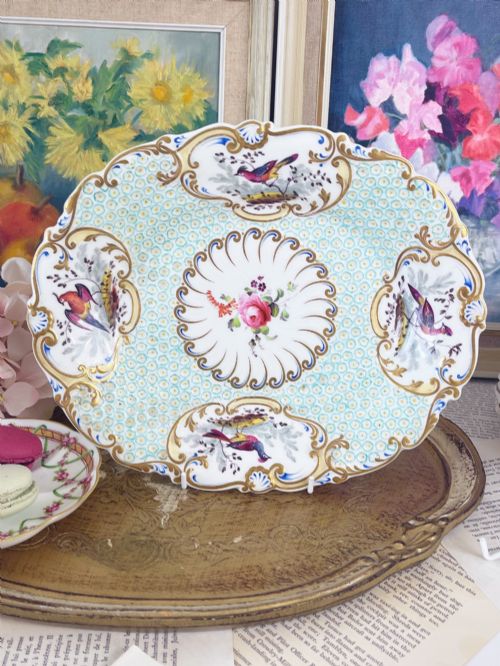
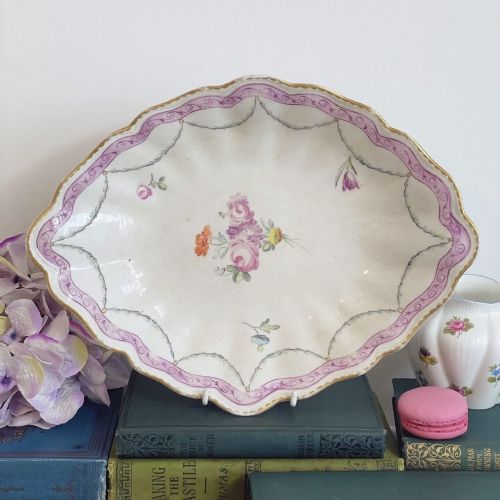
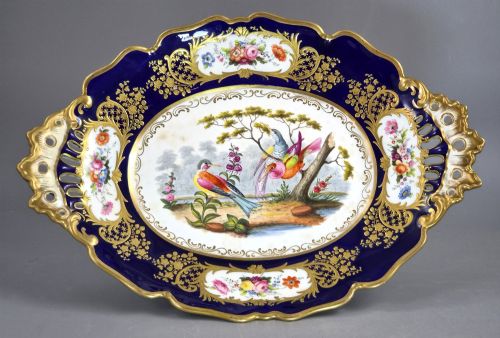
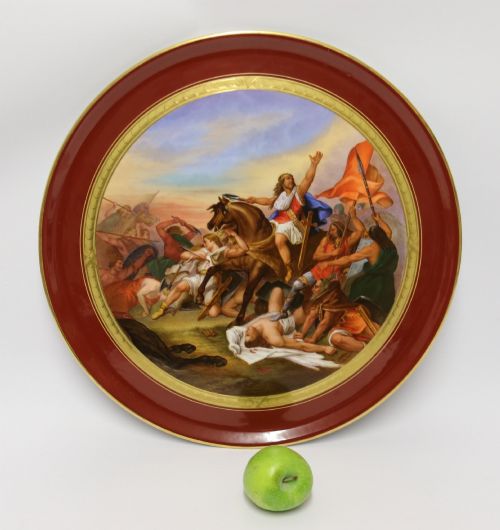
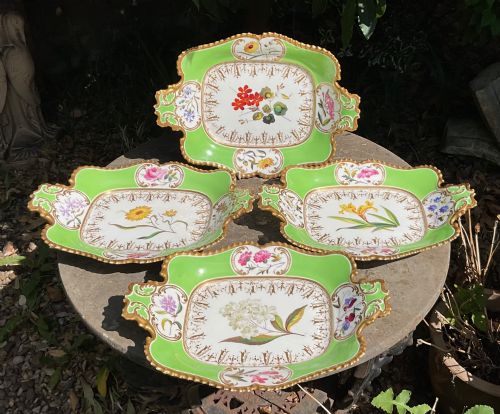
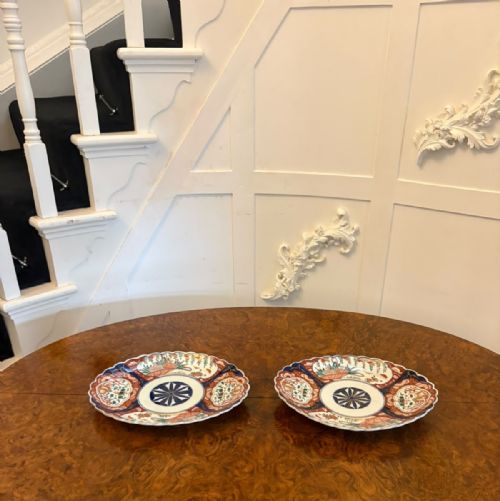
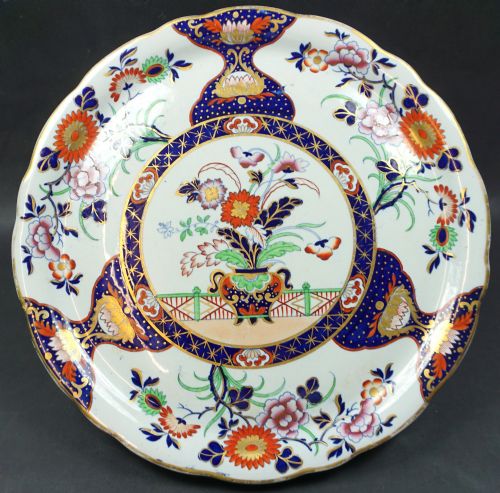
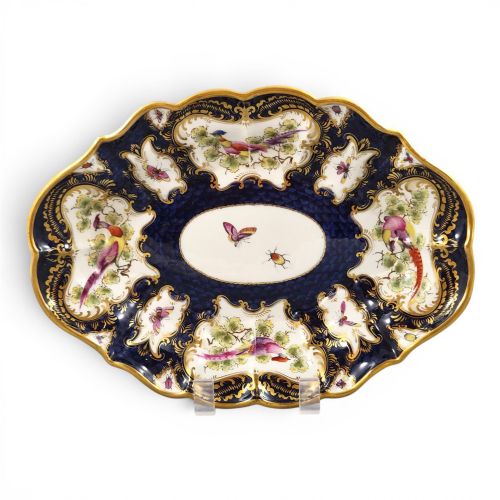
When you search for a hand painted porcelain platter, you are looking at decorative chargers, serving dishes, and oval trays spanning from the eighteenth century into the twentieth century. These pieces encompass English factory wares, French portrait chargers, and substantial Japanese Imari or Kutani plates.
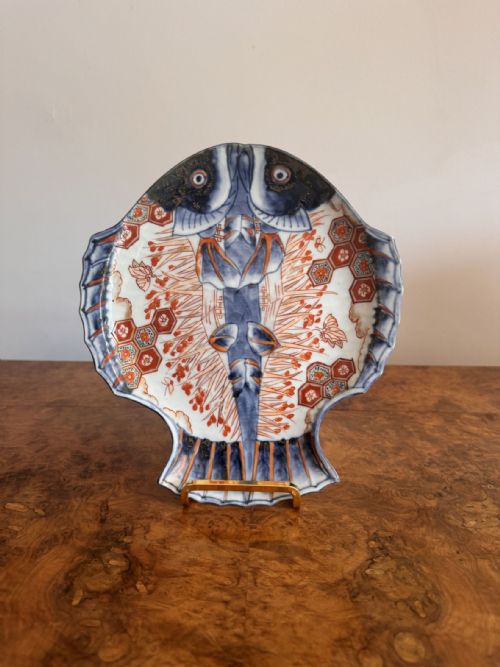
You are most likely to meet nineteenth-century Japanese Imari chargers and English factory serving dishes on this page. These forms range from large scalloped plates to deep dishes intended for display or service.
Materials and decoration
Potters utilised hard-paste and soft-paste ceramic bodies, finishing the surfaces with white glaze and cobalt underglaze. Artisans applied polychrome enamel pigments by hand over the glaze, often adding gold leaf or gilding to highlight borders and motifs.
Many European and Asian workshops incorporated intricate hand-painting techniques, ranging from botanical studies and exotic birds to narrative battle scenes and traditional floral panels.
Hand Painted Porcelain Platter Retail Price Guide 2026
Typical asking prices for hand painted porcelain platter among the pieces listed under this phrase on Sellingantiques today, from the lower quarter to the upper quarter. They describe what is for sale here now, not the wider market.
Fish plates appear alongside traditional round chargers, proving that nineteenth-century dinner parties occasionally took a remarkably literal approach to seafood.
Assessing the work
The distinction between standard production and exceptional quality rests upon the crispness of the hand-painted brushwork and the precision of the enamel firing. Finer examples display meticulous control in polychrome details and rich, unrubbed gilding.
Subtlety in composition and the depth of cobalt underglaze separate standard factory output from pieces produced by notable decorators and established porcelain manufactories.
H & R Daniel·Royal Doulton·John Davenport·Chamberlains Worcester·Copeland & Garrett
The Hand Painted Porcelain Platter Glossary
- Imari
- A style of Japanese export porcelain characterised by a palette of cobalt blue, iron red, and gold. This decorative tradition heavily influenced European manufactories.
- Charger
- A large ornamental plate utilised for service or display rather than daily dining. These pieces often feature elaborate painted scenes across a broad centre.
- Enamel
- Opaque glass-like pigments applied over the fired glaze and fixed in a second, lower-temperature kiln firing. This technique allows for bright polychrome detail.
- Underglaze
- Pigment applied directly to the unfired or biscuit ceramic body before the transparent glaze layer is added. Cobalt is the most frequent colour handled this way.
- Gilding
- The application of gold leaf or powdered gold to ceramic surfaces. It accentuates rims, handles, and framing borders.
Hand Painted Porcelain Platter: Frequently Asked Questions
Can I use these platters for food?
Most antique porcelain platters serve well for dry presentation, though historical glazes and overglaze enamel decoration benefit from careful hand washing rather than machine cleaning.
Displaying them on plate stands or wall hooks protects the painted surfaces from modern cutlery and daily wear.
How do I identify Japanese Imari?
Japanese Imari porcelain typically combines deep cobalt blue underglaze with iron red and gold leaf overglaze. The patterns frequently incorporate floral panels and birds.
Production spans from the Edo period into the twentieth century, with styles evolving across Meiji and Taisho manufacturing eras.
What is Chinese export porcelain?
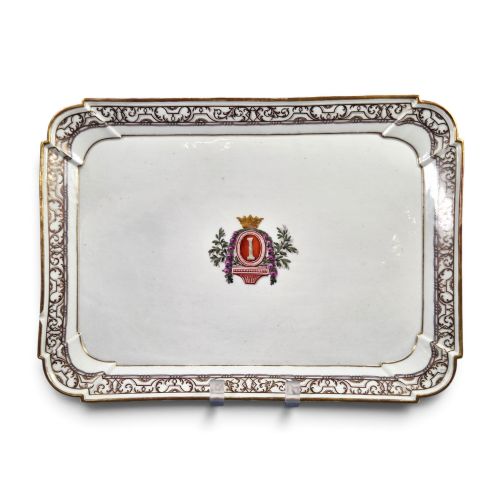
Chinese export porcelain encompasses ceramics manufactured in China specifically for European and Western markets. These pieces often blend traditional Eastern forms with Western heraldic or pictorial preferences.
Qianlong period examples demonstrate particularly fine cobalt painting and durable paste composition.
How do I spot French Paris porcelain?
Paris porcelain is characterised by bright white ceramic bodies and elaborate overglaze painting, sometimes featuring historical narratives or detailed portraits.
Many nineteenth-century pieces include gilt bronze mounts or champlevé enamel frames that elevate them to centrepieces.