
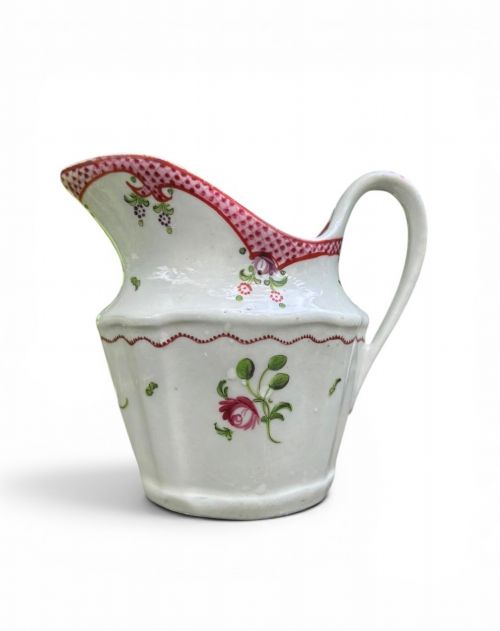


Hand Painted Porcelain Creamer
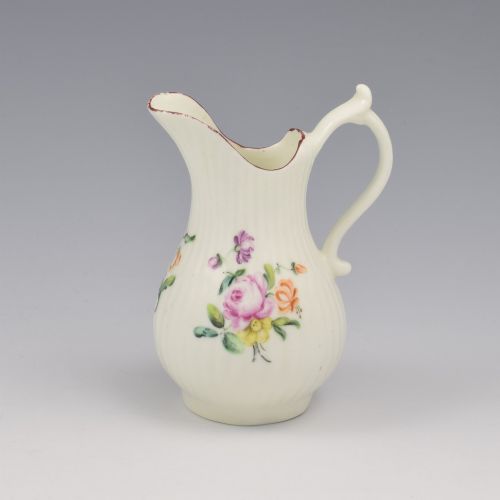
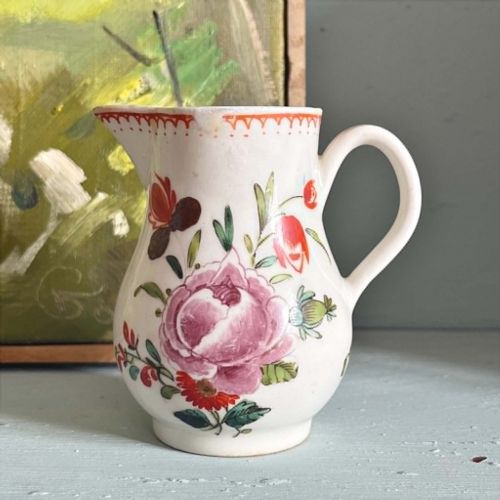
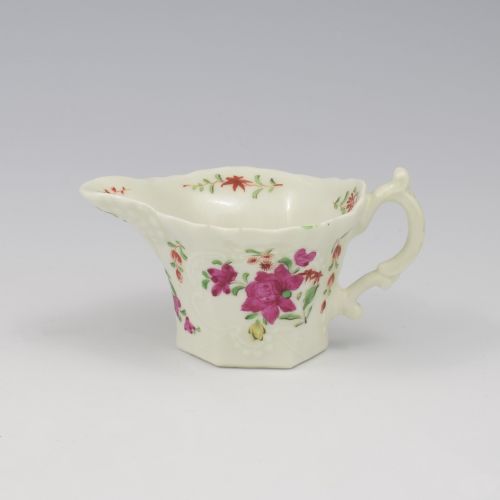
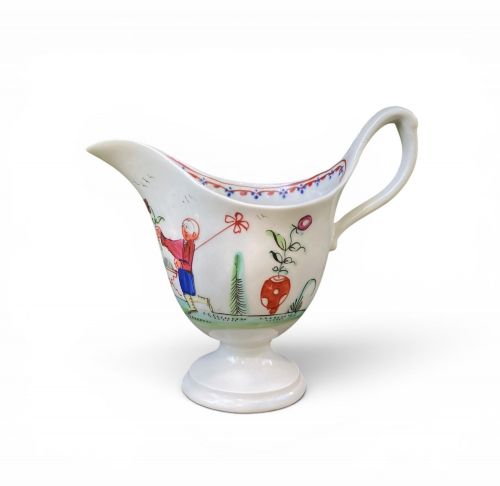
A hand painted porcelain creamer brings delicate artistry to the table, offering a functional vessel decorated with intricate hand-applied motifs.
What these pieces are
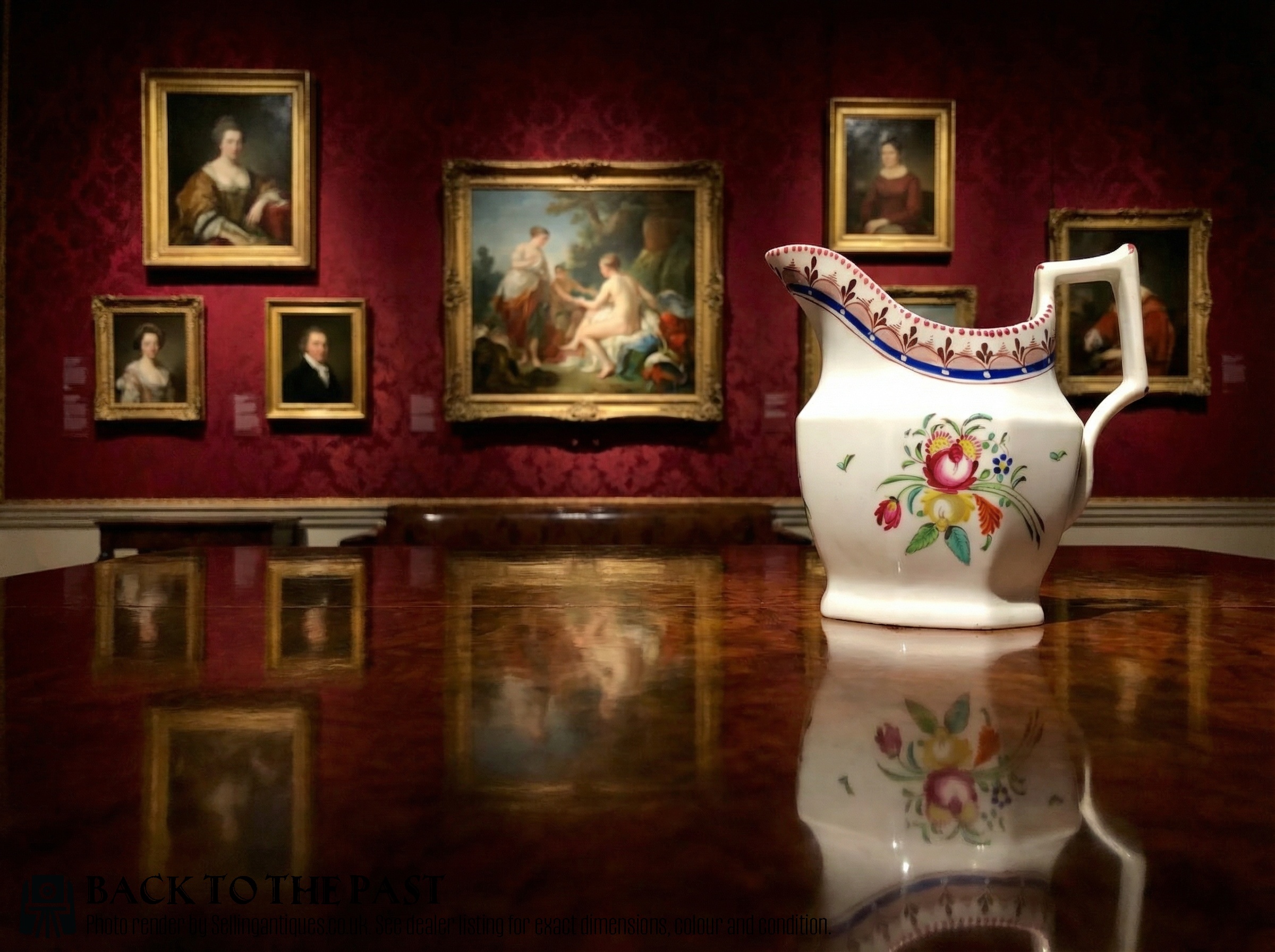
When you search for hand painted porcelain creamer, you encounter small ceramic jugs designed for serving cream alongside tea or coffee. These vessels come in forms described variously as jugs, pitchers and clip handled jugs.
The examples available range across the Georgian, eighteenth century and mid-nineteenth century periods. They originate from notable centres of production including New Hall, Meissen, and Liverpool or Herculaneum.
Most pieces display handpainted decoration featuring subjects such as birds and insects, or follow specific patterns like Pattern 20. They combine utility with ornamental detail across diverse European traditions.
How they were made
These creamers are formed from porcelain, a fine ceramic body fired at high temperatures to achieve a dense and durable structure. Some forms incorporate structural shaping such as ribbed surfaces or clip handles.
Decoration relies on enamel and enamel glaze applied by hand over or under the glaze to create permanent colour. Artisans enhance the painted designs with details executed in gold leaf.
Listings feature porcelain pieces spanning the Georgian period, the eighteenth century and the mid-nineteenth century, utilising enamel, enamel glaze and gold leaf.
What varies in quality
Quality rests in the precision and delicacy of the handpainted motifs, where finely rendered subjects like birds and insects demonstrate superior brushwork. The crispness of moulded elements, such as ribbed bodies and clip handles, also distinguishes finer pieces.
The application of enamel glaze and gold leaf reveals the maker's hand, with smooth, even finishes separating standard production from exceptional work.
New Hall·Meissen·Herculaneum
The Hand Painted Porcelain Creamer Glossary
- Porcelain
- A vitrified ceramic material of high density and whiteness, fired at high temperatures to create a non-porous body. It forms the essential base for all these creamers.
- Enamel glaze
- A vitreous coating fused to the porcelain body during firing, providing a smooth, glossy surface for painted decoration. It protects the colours beneath.
- Gold leaf
- Beaten gold applied to the porcelain surface to highlight rims, handles or decorative motifs. It adds a reflective metallic accent to the design.
- Clip handle
- A distinctively formed handle attached securely to the body of the jug, often found on late eighteenth-century shapes. It offers a firm grip for pouring.
Frequently Asked Questions
What is a hand painted porcelain creamer used for?
These small jugs were originally designed to hold and pour cream or milk at the tea or coffee table. Their delicate proportions made them suitable for individual service during formal dining.
Today, many collectors use them as decorative small vases for single stems or simply display them on shelves to appreciate their handpainted artistry.
How do I date a porcelain creamer?
Dating relies on observing the form, the style of the handpainted decoration, and any factory patterns or characteristics. Eighteenth-century pieces often feature specific potting styles associated with early English and continental factories.
Examining the base and the type of glaze used also helps narrow down the period of manufacture, distinguishing Georgian work from mid-nineteenth-century European examples.
Can I use these creamers daily?
While these creamers were made for functional use, their age and delicate handpainted surfaces mean modern daily use requires extra caution. Thermal shock from boiling liquids should be avoided to protect the porcelain body and glaze.
Many owners prefer to reserve them for occasional special use or gentle display to preserve their condition over time.