

Hand Painted Pedestals
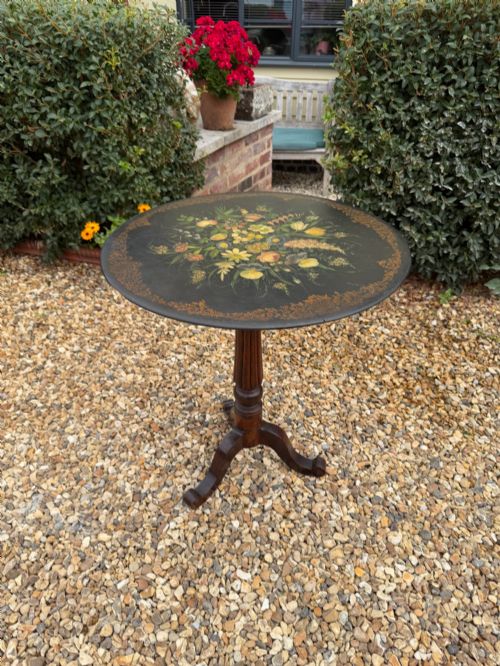
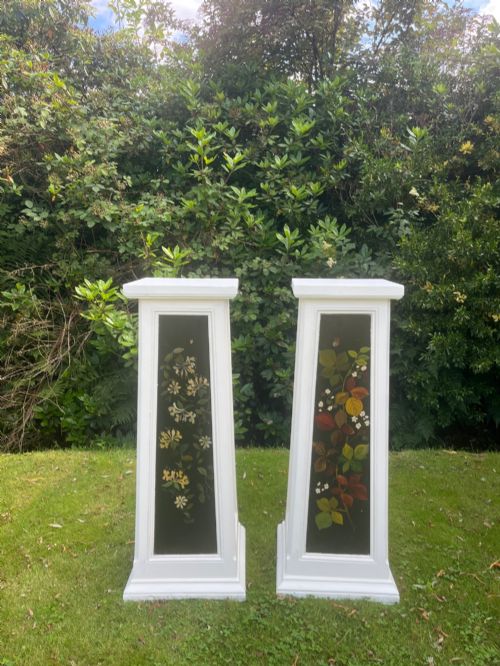
Hand painted pedestals bring vibrant colour and decorative form into a room, serving as raised display surfaces for decorative objects.
Hand Painted Pedestals
When you search for hand painted pedestals, you find decorative furnishings designed to elevate items such as vases, urns, and sculptural pieces. The selection includes specific pedestals alongside related painted tables and stands that perform the same display function.
These items originate predominantly from the nineteenth century, including Victorian examples alongside pieces dated to periods such as eighteen-eighty and eighteen-ninety. Styles span from Georgian and Regency to Aesthetic Movement and Rococo Revival, showing varied regional and period designs.
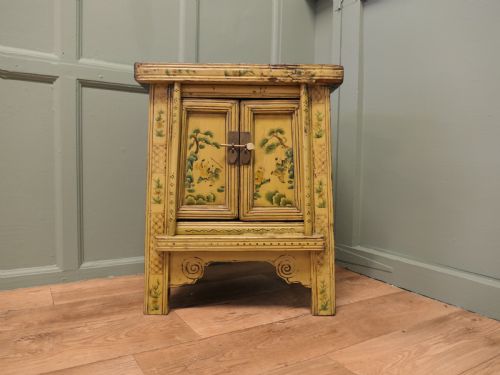
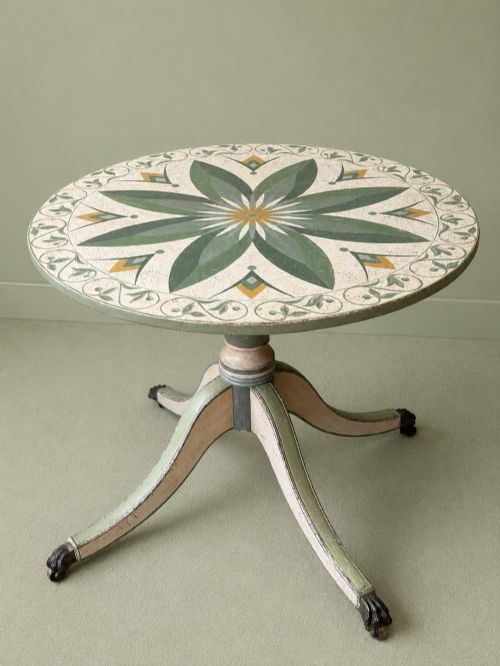
The forms range from dedicated pedestals and tiled stands to occasional tables, side tables, and tilt-top tables with painted decorative surfaces. This variety reflects how makers adapted the pedestal concept to different domestic uses throughout the nineteenth and early twentieth centuries.
How they were made
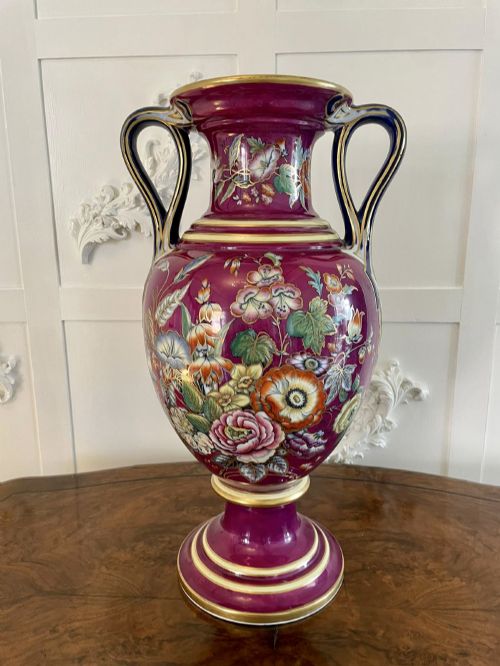
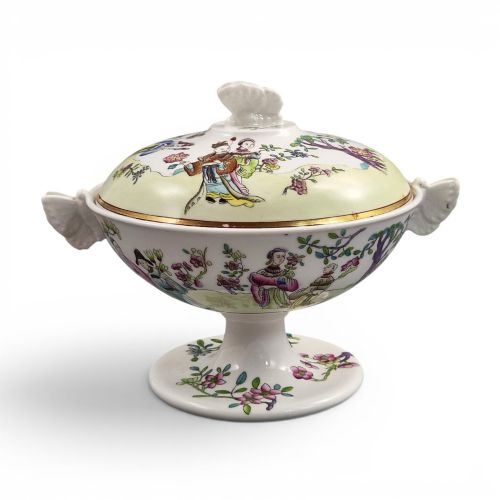
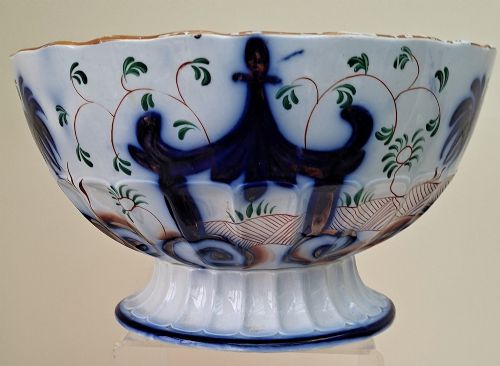
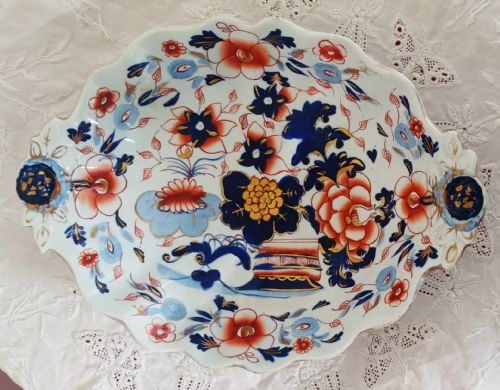
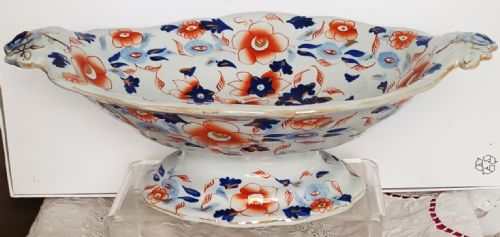
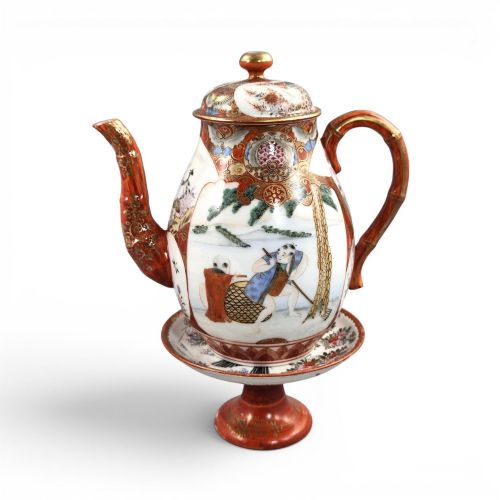
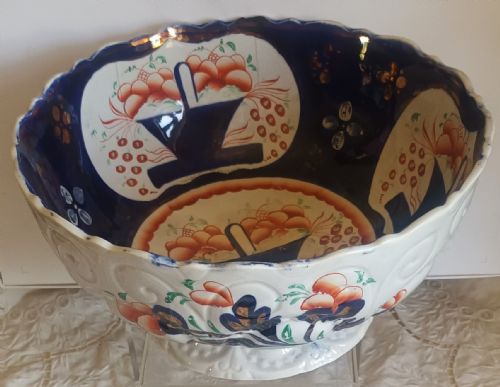
Makers utilised wood, porcelain, and ironstone as foundational materials, often combining carved timber with applied lacquer or hand-applied paint. Porcelain pieces frequently incorporated slip-cast or moulded bodies decorated with polychrome pigments.
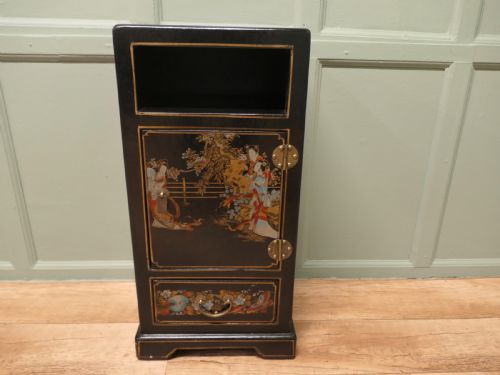
Surface ornamentation relied heavily on hand painting, supplemented by gold leaf, gilding, and brass details. Artisans built up designs using detailed brushwork, sometimes integrating transfer-printed outlines filled in by hand.
Carved wood lacquer elephants bring a touch of menagerie charm directly to the floor alongside standard table pedestals.
What varies in quality
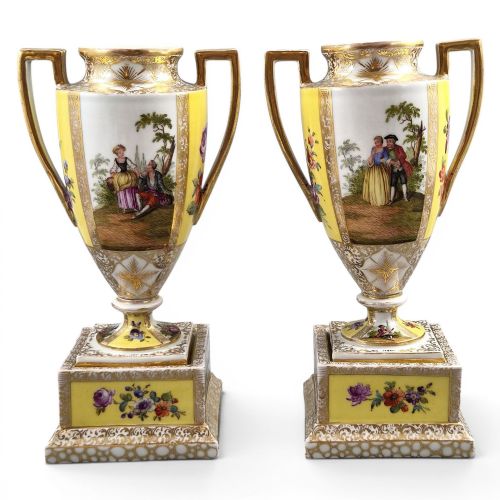
Quality rests in the precision and complexity of the hand-painted decoration, where fine brushwork and rich colour palettes distinguish superior examples. Simpler pieces rely on basic floral or geometric patterns, whereas higher-grade items display detailed pictorial scenes or intricate Chinoiserie and Japan motifs.
The integrity of the underlying material and the sophistication of the form also dictate distinction. Solid carved timber structures and finely potted porcelain bodies with specialised handles or moulded bases command greater attention than utilitarian equivalents.
Staffordshire Porcelaneous·Sèvres Porcelain·Spode Felspar Porcelain·Limoges Lidded Porcelain·Gaudy Welsh·Ironstone China·Helena Wolfsohn Dresden·Kutani porcelain·Meissen Porcelain·Ulisse Cantagalli Majolica·Maling·New Hall Porcelain·Doulton Burslem
The Hand Painted Pedestals Glossary
- Chinoiserie
- European decorative style reflecting Chinese artistic influences. This technique appears on painted furniture and ceramics with characteristic motifs.
- Comport
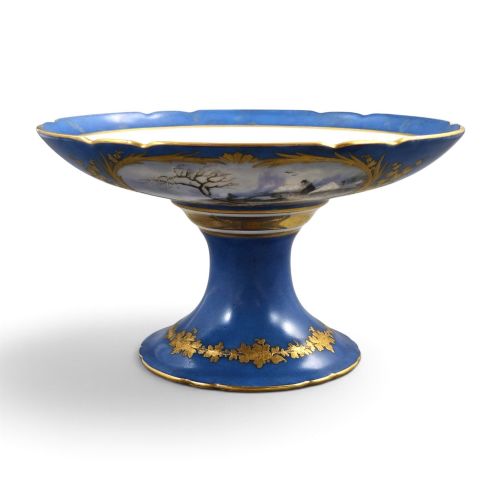
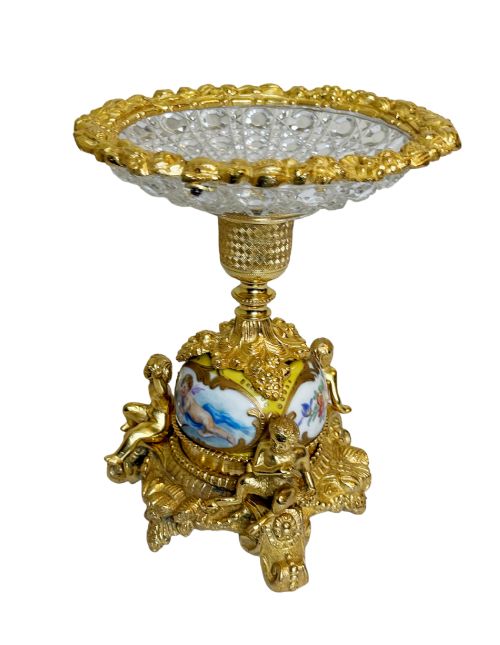
- A decorative dish or bowl raised on a foot or pedestal. These items typically serve dessert or function as centrepieces.
- Gilding
- The application of gold leaf or gold powder to a surface. This technique highlights carved details, rims, and painted panels.
- Tilt-top table
- A table with a hinged top that pivots to a vertical position when not in use. This form saves space and appeared frequently during the Victorian period.
- Tazza
- A shallow saucer-like dish mounted on a stem and foot. They function primarily as decorative display vessels.
Hand Painted Pedestals: Frequently Asked Questions
What are hand painted pedestals used for?
These pieces serve primarily as elevated platforms to display decorative items like vases, urns, and sculptural objects within a room.
They allow owners to showcase specific items at eye level, adding both height and visual interest to an interior space.
How do I identify a Victorian pedestal?
Victorian examples often feature characteristic nineteenth-century revival styles, such as Rococo or Aesthetic Movement influences, alongside specific painting techniques.
Look closely at the materials and motifs, which frequently include floral designs, gilt accents, and painted timber or porcelain construction.
Are these pedestals purely decorative?
While many function solely to display other objects, related forms like tilt-top tables and side tables combine display surfaces with practical utility.
Their painted tops and sturdy structures allow them to perform everyday furniture functions while maintaining a strong decorative presence.
How should I care for painted surfaces?
Protect the hand-painted finishes and gilt details by keeping pieces out of direct sunlight and away from excessive moisture.
Dust them gently with a soft, dry cloth to preserve the pigments and underlying materials without causing abrasion.