
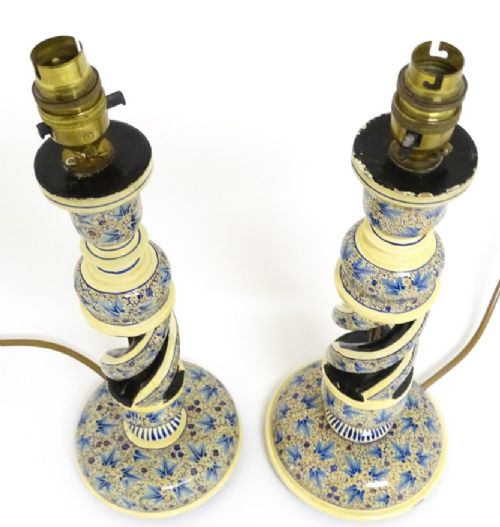
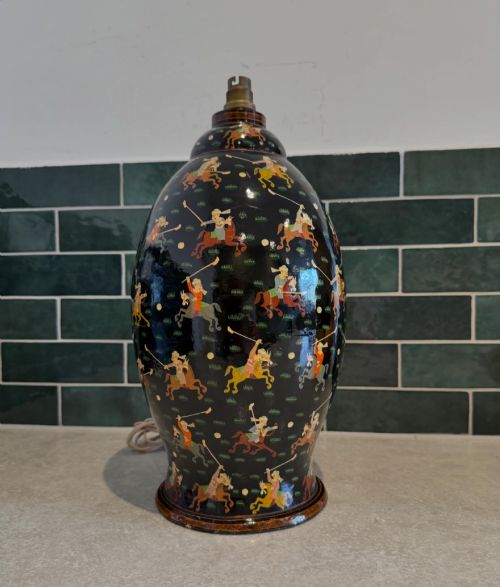
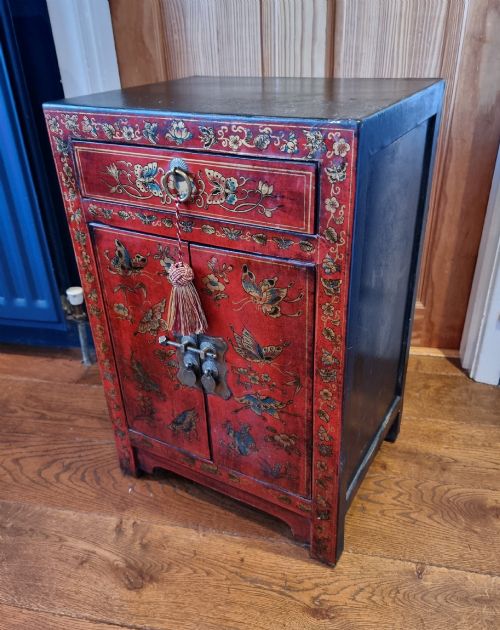
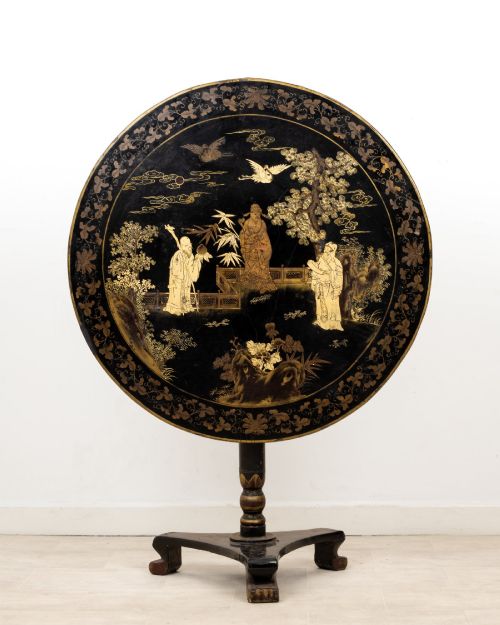
Hand Painted Oriental Tables
These hand painted oriental tables bring decorative lacquer, brass and carved wood into rooms through nineteenth century and early twentieth century pieces.
Hand Painted Oriental Tables
When you search for hand painted oriental tables, you encounter a distinct group of occasional furniture, coffee tables, side tables and dressing tables created in styles spanning Chinoiserie, Anglo-Indian, Qing Dynasty, Kashmiri and Japanese Meiji aesthetics. The selection relies heavily on nineteenth century craftsmanship alongside Edwardian and 1920s reinterpretations.
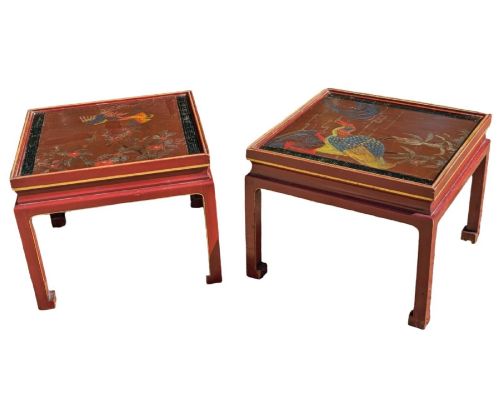
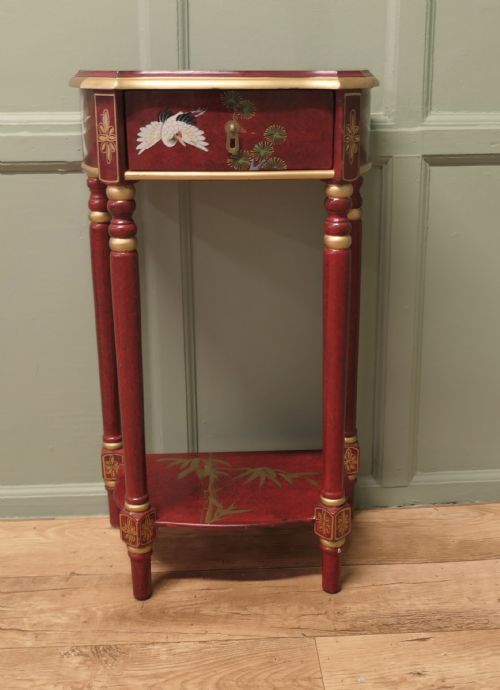
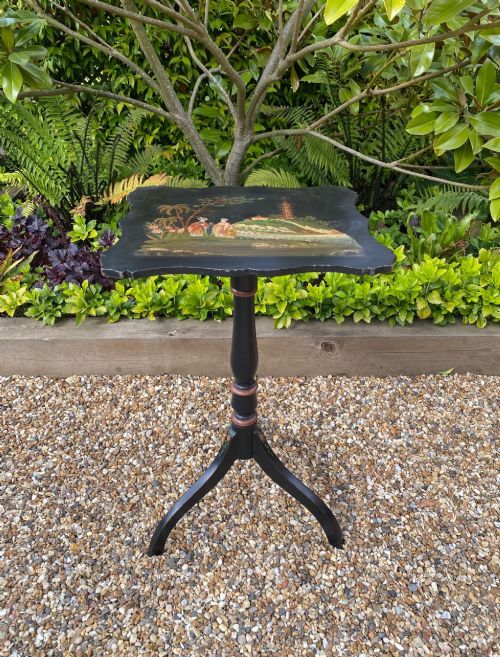
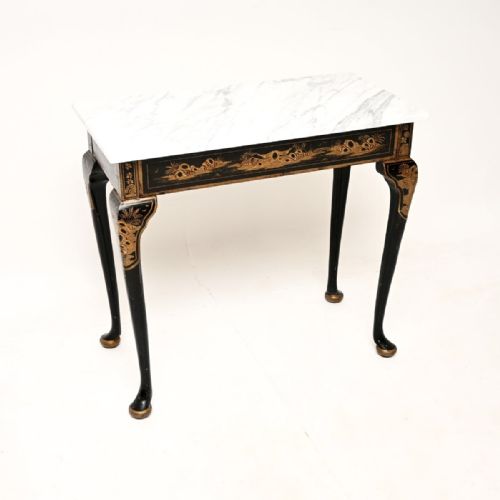
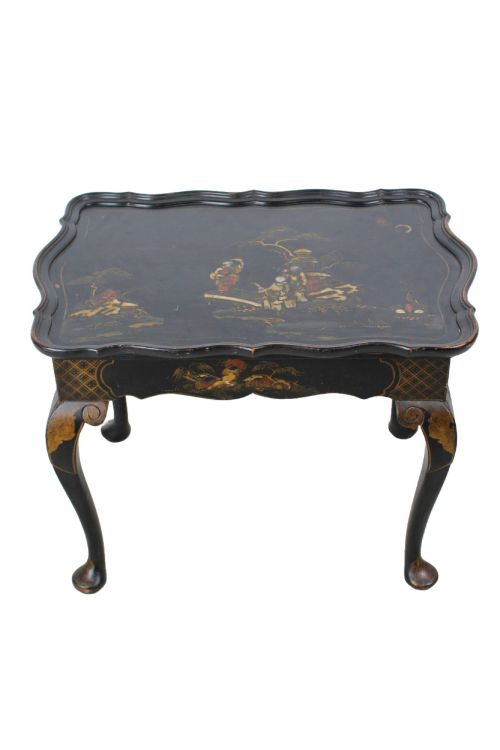
You are most likely to meet lacquered wood coffee tables and tripod side tables bearing painted motifs, tray top designs, and occasionally nests of three tables decorated in black, cream or mandarin orange colourways. These surface finishes often incorporate gilt gold and painted scenes characteristic of Chinoiserie and Kashmiri traditions.
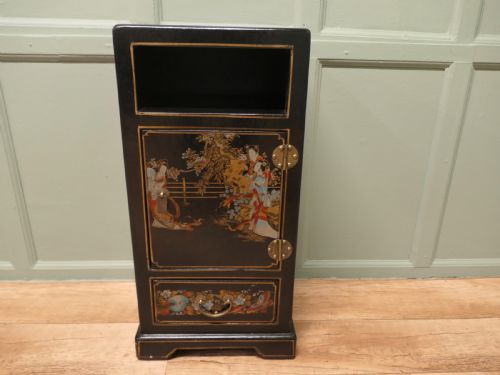
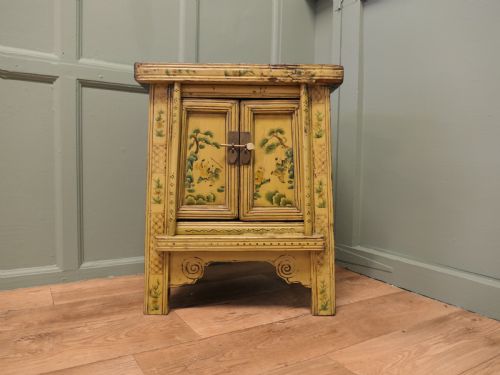
Beyond standard tables, the broader category encompasses related forms like cabinets, cupboards, dressing tables and occasional stands that share the same decorative painted vocabulary. They anchor a room with distinct regional character derived from Chinese, Japanese and Indian origins.
How they were made
The primary construction relies on timber and lacquered wood substrates, finished with layers of lacquer that provide a smooth ground for hand painted oriental tables and related furnishings. Artisans applied pigments directly onto these prepared surfaces.
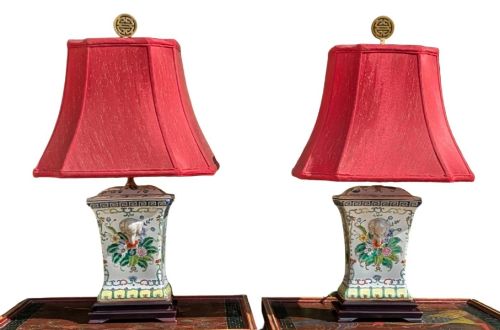
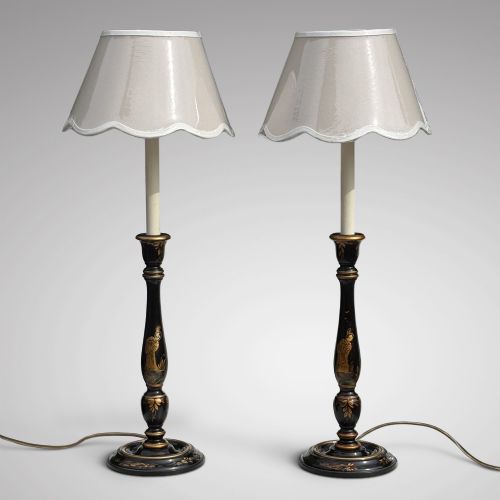
Decoration often includes gold leaf and gilt detailing to accentuate the painted scenes, figures, and floral motifs. Brass elements occasionally appear on hardware or fittings, while fabric and porcelain integrate into related lamps and accessories within the broader grouping.
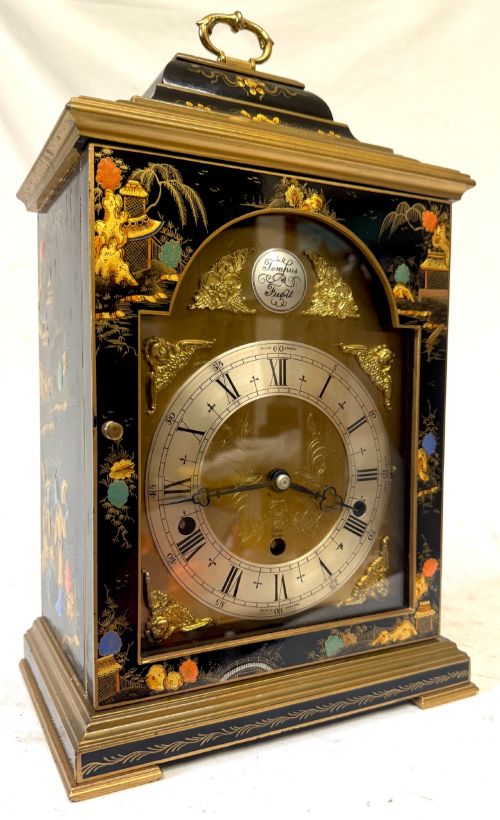
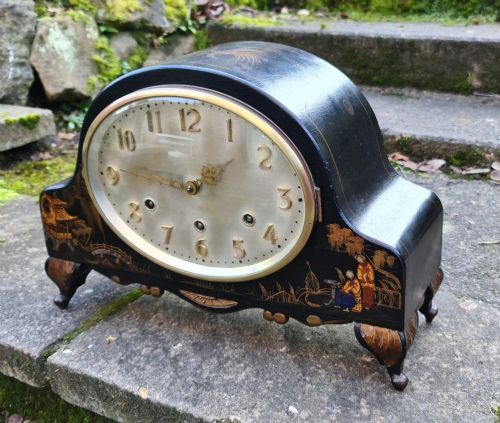
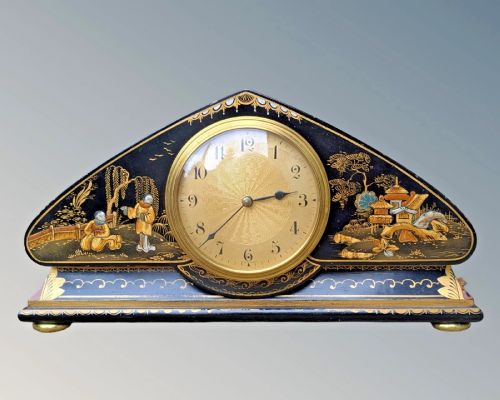
Among the painted menagerie, carved wood elephants stand ready alongside delicate lacquer tables and ticking clocks.
What varies in quality
The degree of refinement in the hand painting dictates much of the visual distinction across these pieces, separating simplified folk art interpretations from highly intricate studio work. Crisper linework and depth in the painted scenes indicate superior execution.
The integrity and depth of the lacquer finish also divide the range, with multi-layered builds holding up differently over time compared to thinner coatings. Substrate stability and the preservation of original gilt gold and gold leaf details complete the separation between ordinary and exceptional examples.
The Hand Painted Oriental Tables Glossary
- Chinoiserie
- European decorative style reflecting Chinese artistic influences, seen widely on lacquered furniture and clocks from the eighteenth century onwards. It relies on whimsical motifs and painted garden scenes.
- Kashmiri
- Pertaining to craftsmanship from Kashmir, frequently noted in listings for hand painted oriental tables and papier-mâché items featuring rich floral patterns and gilt work. These pieces display vibrant green and gold palettes.
- Lacquered Wood
- Timber treated with multiple coats of resin or varnish to create a hard, glossy protective coating. This surface serves as the base for intricate painted decoration.
- Tripod Side Table
- A small occasional table supported by a central pillar resting on three feet. This form allows for flexible placement beside seating.
- Tray Top
- A table surface featuring a raised rim, designed to resemble a serving tray set upon a frame. Edwardian and Victorian versions utilise this profile for coffee and occasional tables.
Hand Painted Oriental Tables: Frequently Asked Questions
How do I identify Chinoiserie furniture?
Chinoiserie pieces feature European interpretations of Chinese motifs, typically executed in paint or lacquer on a dark or coloured wood ground. Look for painted landscapes, figures, pagodas and floral arrangements.
These designs frequently appear on coffee tables, side tables, cabinets and clocks from the Victorian and Edwardian periods as well as the 1920s.
Where were Kashmiri painted tables made?
Kashmiri tables and accessories originate from the Kashmir region, known for distinctive hand painted floral motifs and papier-mâché or wooden construction. They often incorporate gilt gold and vibrant green or red backgrounds.
Such pieces date largely from the early twentieth century and the Victorian era, bringing distinct Indian craftsmanship to occidental interiors.
Are these tables suitable for daily use?
Most occasional tables, side tables and coffee tables are built to function as practical surface furniture in contemporary living spaces. Care should be taken to protect delicate lacquer surfaces from excessive moisture and heat.
Using coasters and placemats helps preserve the hand painted decoration and gilt detailing over years of everyday use.
How do I date a lacquered table?
Dating relies on examining the construction methods of the timber substrate, the formulation of the lacquer, and the stylistic cues of the painted decoration. Victorian and Edwardian examples often show specific hardware and framing techniques.
Comparing the wear patterns and pigment types against established nineteenth and early twentieth century standards clarifies the period of origin.