


Traditional Black Lacquer Tables
Traditional black lacquer tables bring dark, lustrous surfaces and intricate oriental designs into a room, offering both history and utility.
Traditional Black Lacquer Tables
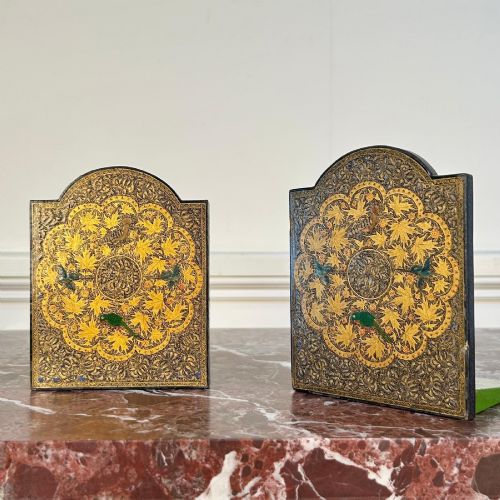
Traditional black lacquer tables include nesting sets, low coffee surfaces, and occasional pieces that draw on 19th-century and early 20th-century craftsmanship. When searching for traditional black lacquer tables, buyers encounter diverse regional interpretations ranging from Chinese and Japanese designs to Edwardian Chinoiserie and Kashmiri work.
How they were made
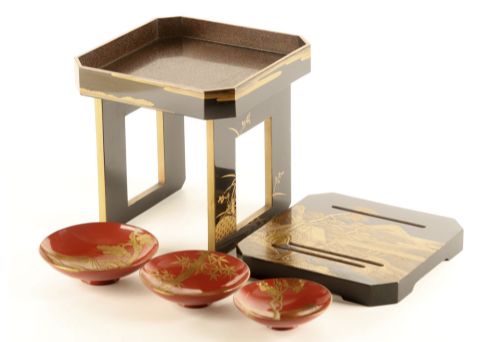
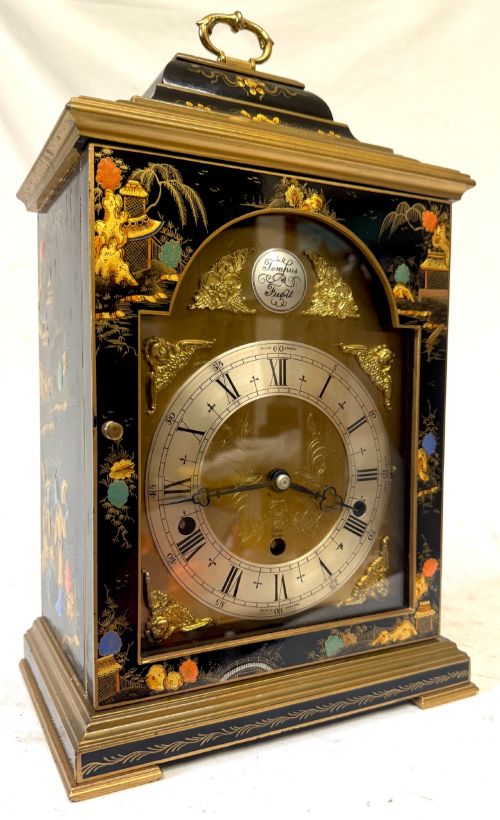
Maker construction relies on wood bases finished with layers of lacquer to build a deep, reflective black surface. Artisans frequently added gold leaf, gilt paint, and intricate surface decoration to define the Chinoiserie and traditional oriental motifs.
Some examples incorporate auxiliary materials such as brass fittings and marble tops to add weight and contrast to the lacquered wood frames.
Current listings feature wood, lacquer, brass, gold leaf, and marble across Victorian, Edwardian, and 1920s periods.
What varies in quality
Quality rests in the depth of the lacquer finish and the crispness of the hand-painted or gilt details adorning the surface. Superior examples maintain intact pictorial scenes without excessive chipping or flaking of the dark resin layers.
The stability of the underlying wood frame and the precision of joinery in nesting sets and low tables also distinguish finer pieces from simpler utilitarian items.
The Traditional Black Lacquer Tables Glossary
- Chinoiserie
- European theatrical interpretation of Chinese and East Asian artistic traditions, often featuring figures, pavilions, and landscapes in gilt on a dark background.
- Lacquer
- A durable resin finish applied in multiple coats to wood substrates, producing a smooth, glossy surface resistant to moisture and wear.
- Nest of tables
- A set of graduated tables designed to slide neatly beneath one another when not in use, popular in Edwardian and later interior design.
- Gilt
- Gold leaf or gold paint applied to surfaces to highlight carved details or pictorial motifs against dark backgrounds.
Traditional Black Lacquer Tables: Frequently Asked Questions
How do I clean traditional black lacquer tables?
Dust surfaces gently with a soft, dry cloth to prevent scratching the delicate resin finish.
Avoid using harsh chemical polishes or water, as excess moisture can penetrate microscopic fissures in the lacquer.
Are these tables suitable for daily use?
Many of these pieces function well as occasional tables or coffee surfaces in low-traffic areas.
Using coasters and placemats helps protect the historical lacquer from heat and liquid rings.
What periods do these tables come from?
The pieces span from the 18th century through the Victorian era and the early decades of the 20th century.
Edwardian and 1920s examples show particular popularity in Chinoiserie styles.
How do I identify Chinoiserie decoration?
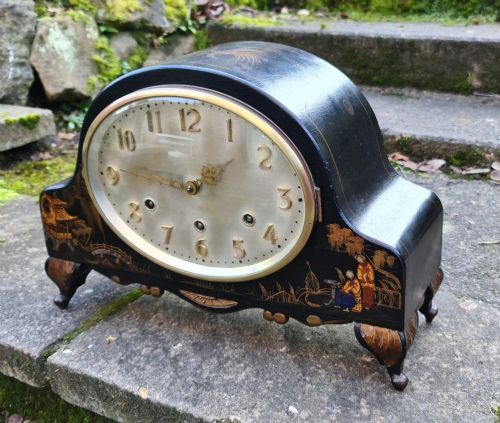
Look for painted or gilt motifs depicting oriental landscapes, figures, birds, and architectural pavilions.
These designs typically stand out in gold or colour against the dark black lacquered background.