


Hand Painted Jewellery Box
A hand painted jewellery box holds small treasures and brings colour to a dressing table.
Hand Painted Jewellery Box
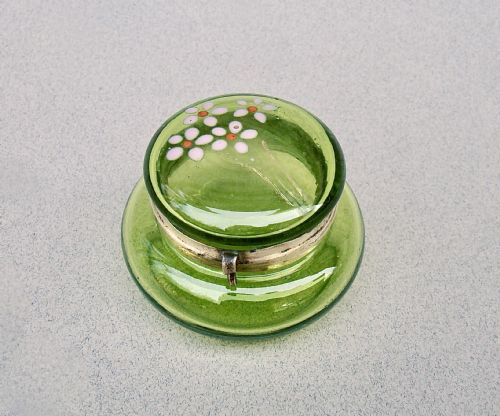
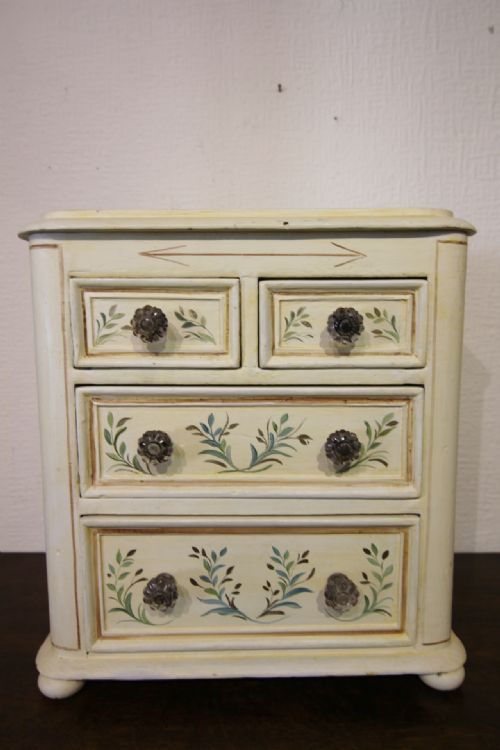
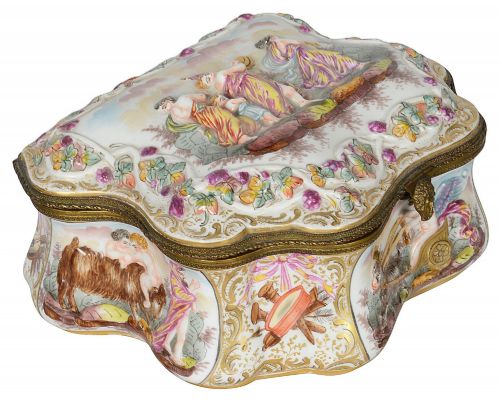
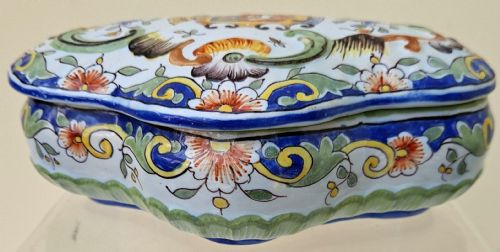
A hand painted jewellery box serves to store keepsakes, rings and trinkets while displaying decorative surface work. When exploring this selection, a buyer encounters a range of forms including porcelain caskets, painted wood boxes and papier mâché cases.
The pieces originate across European workshops during the eighteenth and nineteenth centuries, with Victorian examples appearing frequently. Makers utilised diverse supports, shaping porcelain, glass and timber into miniature chests, round boxes and lidded caskets.
Regional styles span French porcelain mounts, Italian lacquer work and Russian painted scenes. Collectors select these items for their combination of miniature utility and detailed surface art.
How They Were Made
Artisans constructed these boxes using rigid foundations of porcelain, papier mâché, glass or timber such as oak, sycamore and coromandel. Surface decoration involved hand applied pigments, often combined with gold leaf or enamel details.
Mounts in ormolu and brass provided structural framing and closing mechanisms for porcelain bodies and hinged lids. Lacquered surfaces received multiple layers of finish to protect the underlying painted portraits or floral motifs.
Some nineteenth century boxes feature hand painted portraits of dogs bearing titles like Tired Out.
What Varies in Quality
The standard of the hand painted detail dictates much of the distinction between pieces, ranging from loose floral strokes to refined miniature portraits. The integration of the decorative elements with the underlying material, such as gilt bronze mounts fitted precisely to porcelain panels, also marks the grade.
Materials contribute significantly to overall execution, with heavy ormolu frames and fine bodies like Sevres or Meissen porcelain representing elevated manufacture. Preservation of the original interior linings, hinges and surface varnish completes the assessment.
Jennens and Bettridge·Sevres·Meissen·Desvres·Capodimonte
The Hand Painted Jewellery Box Glossary
- Ormolu
- Gilded bronze applied as mounts and feet on porcelain or wooden caskets. It provides structural framing and decorative contrast.
- Papier mâché
- A composite material made from paper pulp or layers of paper mixed with glue, pressed and dried. It forms a smooth base for lacquer and hand painted scenes.
- Faience
- Tin glazed earthenware produced in France and Italy. It serves as a ceramic body for painted surface designs.
- Capodimonte
- An Italian porcelain type originating from Naples. Pieces display relief modelling and hand painted polychrome decoration.
- Chinoiserie
- European decorative motifs imitating Chinese artistic styles. It appears on lacquered and painted wooden boxes.
Hand Painted Jewellery Box: Frequently Asked Questions
How do I clean a painted box?
Dust surfaces gently with a soft, dry cloth. Avoid moisture and chemical cleaners that damage old paint or lacquer.
Keep the box out of direct sunlight to protect pigments from fading over time.
What were these boxes used for?
Owners stored rings, pins, and small keepsakes inside these containers on dressing tables and desks.
They also functioned as decorative objects that displayed wealth and taste through miniature art.
How do I identify the period?
Examine the materials, mount styles, and painting techniques against known manufacturing eras. Porcelain marks and wood types help narrow down the date of production.
Compare the construction of hinges and interiors with dated examples from the same region.
Can I store modern jewellery inside?
Modern pieces fit safely inside provided the interior lining remains clean and intact. Check that the box floor is smooth to prevent scratching precious metals.
Avoid overloading delicate miniature drawers or fragile porcelain caskets.