

Hand Painted Earthenware Dish
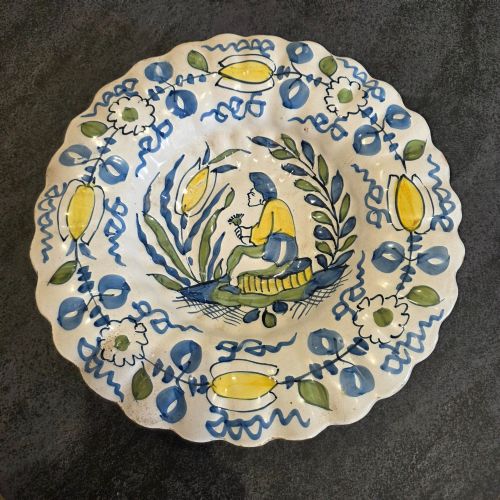
A hand painted earthenware dish carries the brushmarks of past centuries, offering a tangible connection to early ceramic traditions.
Hand Painted Earthenware Dish
When you search for a hand painted earthenware dish, you encounter a diverse range of domestic and decorative vessels shaped from porous ceramic bodies. These pieces span multiple centuries, originating from English, Dutch, French, and Japanese kilns.
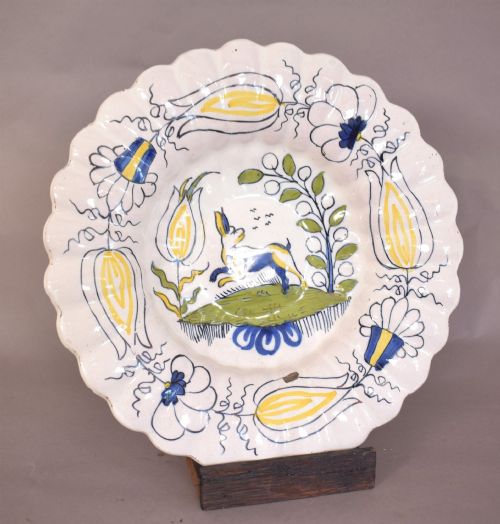
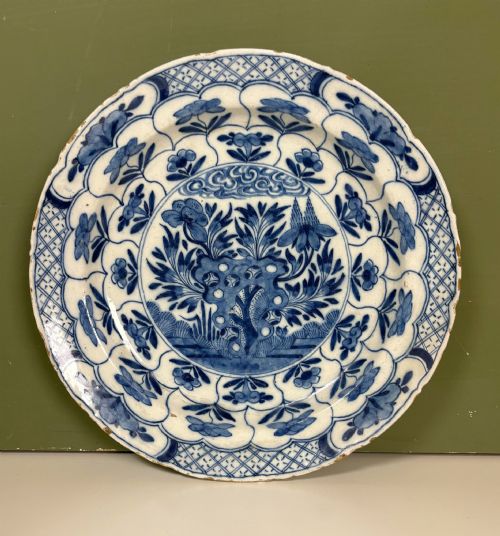
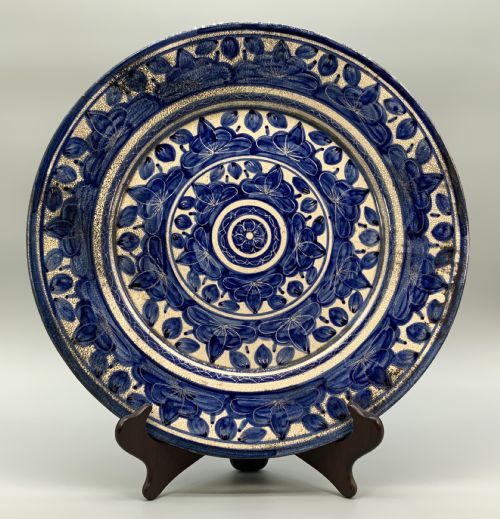
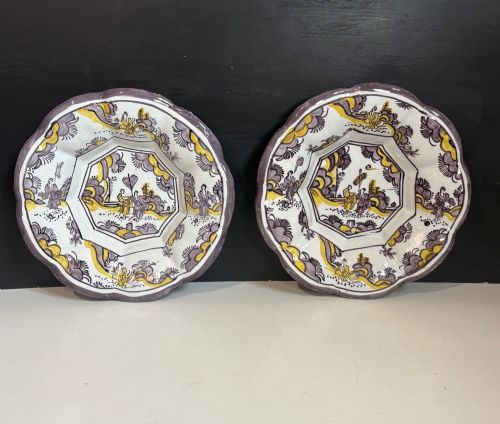
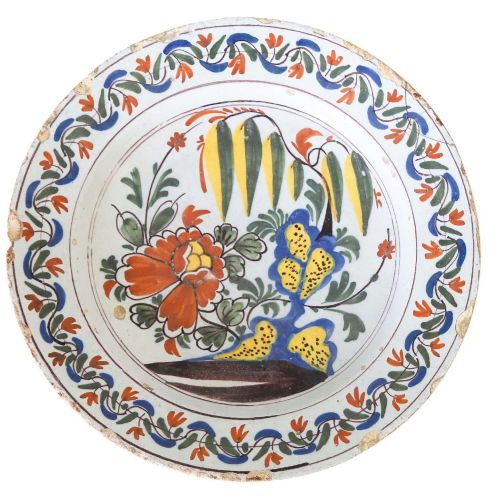
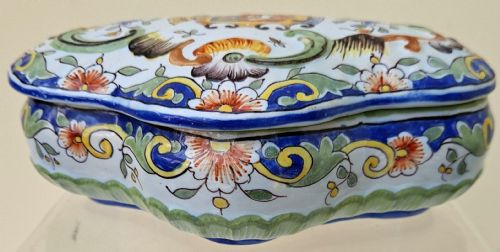
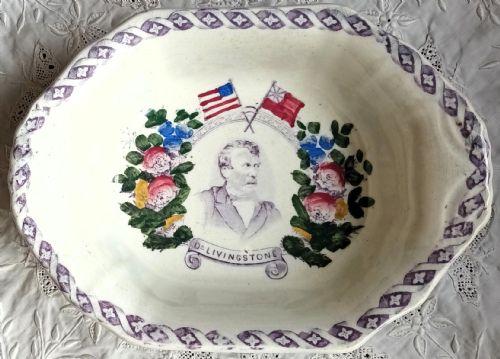
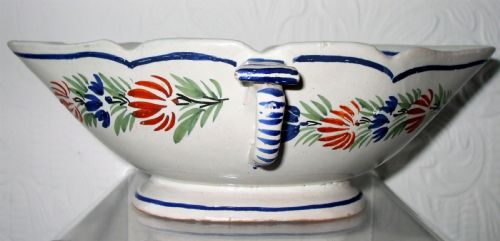
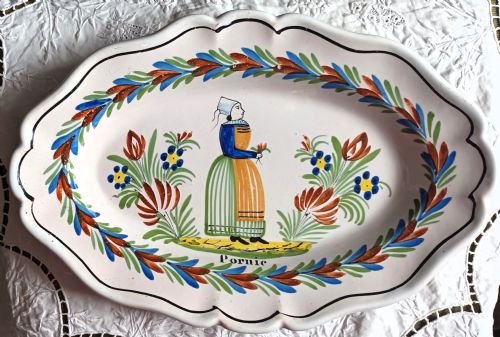
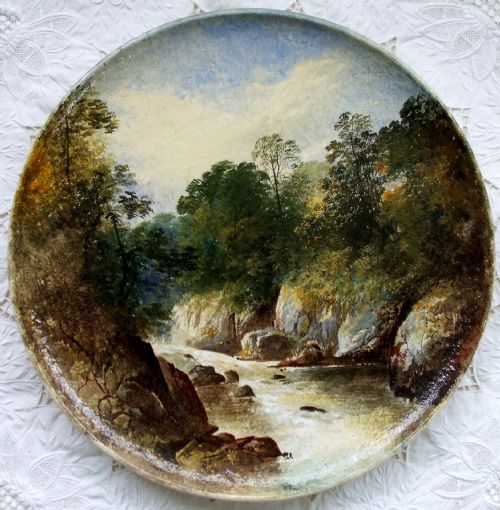
The selections on this page are dominated by large chargers, shallow bowls, and decorative plates adorned with brushwork. Examples include seventeenth and eighteenth-century tin-glazed chargers alongside nineteenth-century Satsuma ware and French faience.
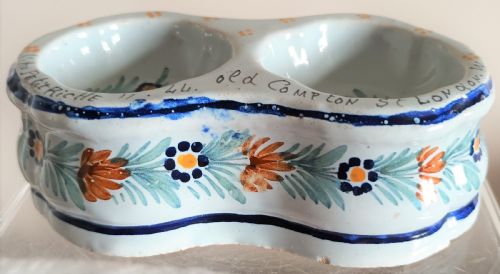
Forms extend beyond flat plates to include specialised vessels such as barber's bowls, salt cellars, trinket boxes, and sweetmeat presentiers. Each object demonstrates the application of pigment directly onto a prepared earthen base before firing.
Materials and production methods
Potters formed these items from local clays, producing a porous earthenware body that required an opaque tin glaze or specialised enamel to hold liquid and accept painted decoration. Cobalt pigment provided deep blue tones, while polychrome palettes incorporated various mineral oxides for richer coloration.
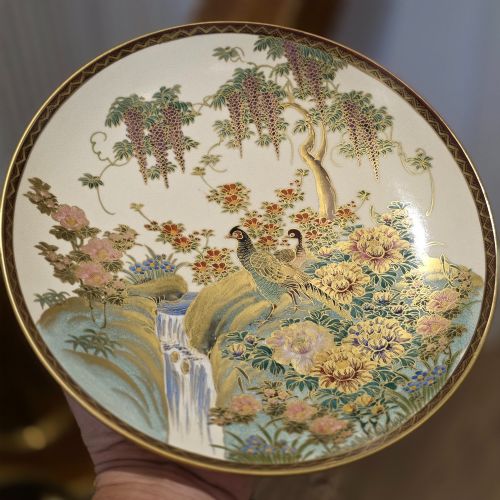
Painters applied designs directly by hand, utilising fine brushes to execute botanical motifs, figures, and geometric patterns. Certain Japanese pieces integrated gold leaf highlights over the primary enamel decoration, adding reflective detail to the ceramic surface.
Listings feature earthenware pieces spanning from the seventeenth century through to the Edwardian era, incorporating tin glaze, enamel, and gold leaf.
Distinctions in quality
Quality rests upon the execution of the brushwork and the control achieved during the high-temperature kiln firing. Confident, fluid painting indicates a skilled hand, whereas hesitant lines suggest lesser workshop production.
The smoothness of the glaze surface and the precision of the tin or enamel coating distinguish finer vessels from utilitarian wares. Clarity of pigment and balance in the overall composition separate standard domestic items from exhibition pieces.
Koshida·Mann Co·Kozan·Toshozan
The Hand Painted Earthenware Dish Glossary
- Earthenware
- Porous pottery fired at relatively low temperatures that requires a glaze to become impermeable. It forms the structural body for the majority of these decorated vessels.
- Tin Glaze
- An opaque white glaze containing tin oxide that provides a smooth, pale canvas for painted cobalt and polychrome designs. It characterises traditional European delftware and faience.
- Charger
- A large decorative plate or shallow dish originally intended for display on a sideboard or wall rather than heavy dining use. These large surfaces frequently display the most ambitious painted scenes.
- Faience
- European tin-glazed earthenware produced primarily in France and the Netherlands. The term encompasses a broad range of decorated bowls, dishes, and small containers.
- Polychrome
- A multi-coloured decorative scheme utilising several pigments rather than a single hue such as blue and white. These palettes often feature yellows, greens, and reds applied over the white ground.
Hand Painted Earthenware Dish: Frequently Asked Questions
What is a delft charger?
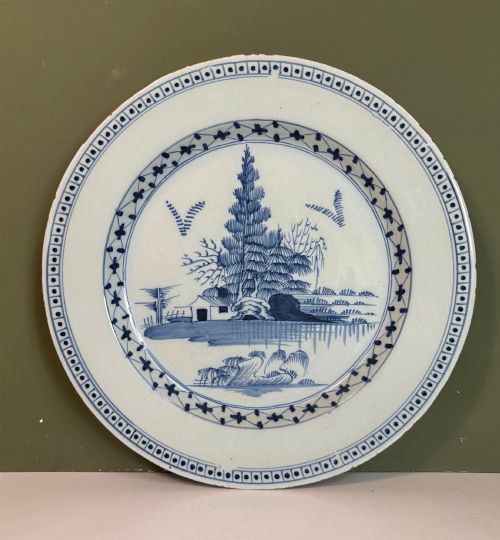
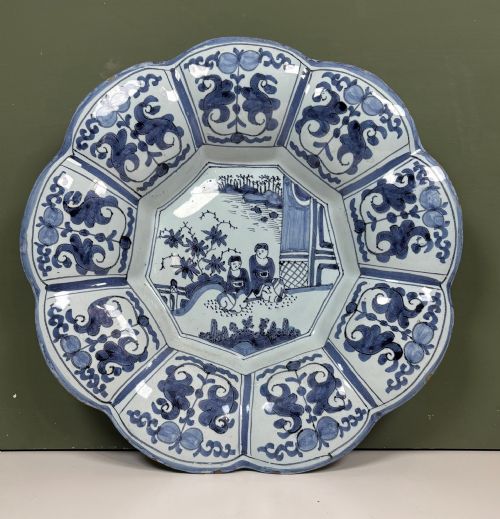
A delft charger is a large tin-glazed earthenware plate produced in England, the Netherlands, or nearby regions during the seventeenth and eighteenth centuries. These items were primarily used for formal display.
Decorated with hand-painted blue and white or polychrome motifs, they showcase early European interpretations of imported styles and domestic flora.
How do I care for antique earthenware?
Antique earthenware requires gentle handling due to the porous nature of the ceramic body and the potential fragility of old glazes. Dusting with a dry cloth is generally sufficient for regular maintenance.
Keep these pieces away from direct moisture, harsh cleaning chemicals, and automated dishwashers to preserve the historic paint layers.
What distinguishes Satsuma ware?
Satsuma ware is a distinctive type of Japanese earthenware featuring a fine network of decorative crackle in the creamy glaze. These pieces are typically painted with detailed pictorial scenes.
Many examples incorporate raised enamel work and subtle applications of gold leaf, reflecting the refined output of Meiji period workshops.
How are periods identified?
Periods are determined by examining the specific glaze characteristics, clay composition, and stylistic conventions associated with known ceramic centres. Brushwork techniques and colour palettes often shift between centuries.
Comparing backstamps, signatures, or historical potting traits helps narrow down the decade or era of manufacture.