
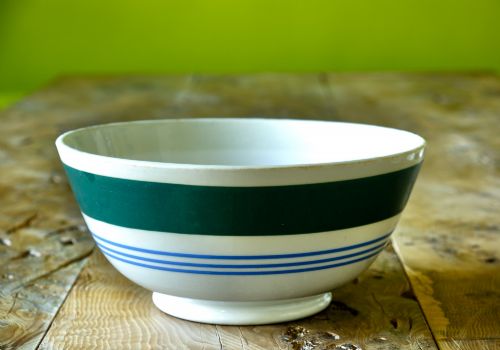


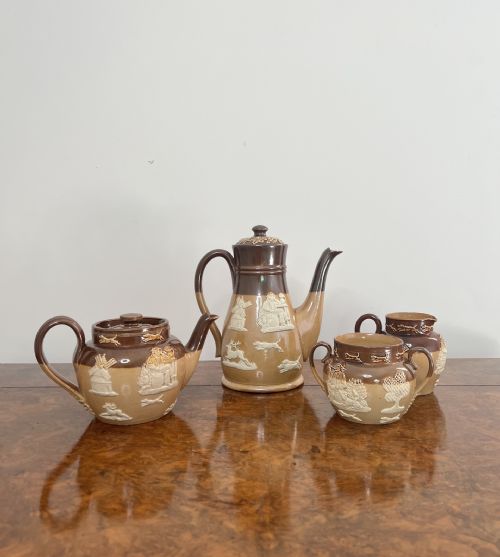
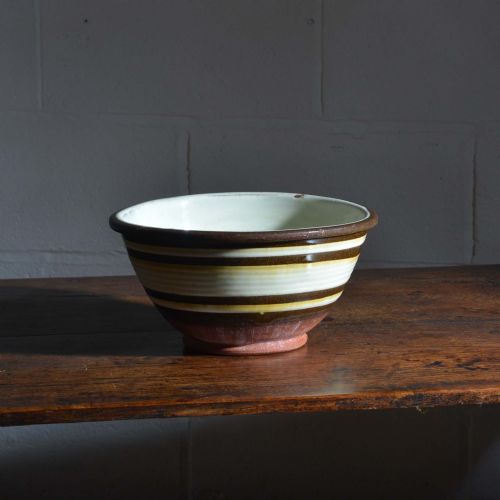


Country Pottery Bowl
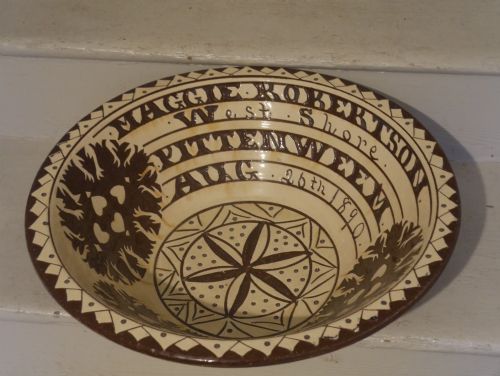
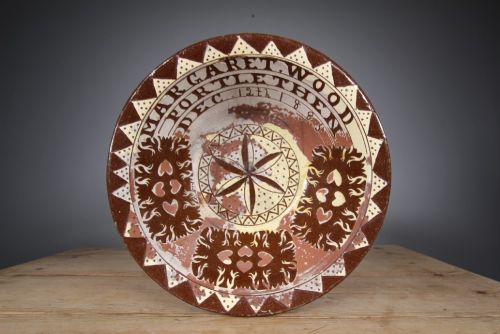
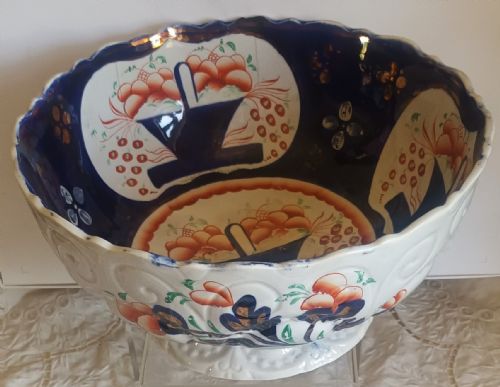
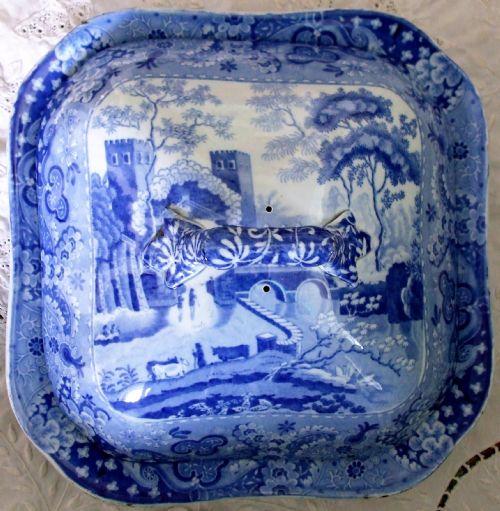
These country pottery bowl examples are honest domestic earthenware vessels shaped by utilitarian hands for daily use, offering tactile warmth to any modern interior.
Country Pottery Bowl
A country pottery bowl represents the unpretentious domestic utility of past centuries, encompassing everything from large dairy vessels to deep mixing basins. You will most frequently encounter nineteenth century earthenware specimens originating from regional potteries in England, France, and Scotland.
These functional forms include specialised dairy bowls, large tian vessels, and spongeware basins designed for heavy use in farmhouses and provincial kitchens. Their straightforward utilitarian shapes reflect a time when household ceramics were made strictly for purpose rather than display.
Makers shaped these utilitarian objects to handle daily tasks like setting milk, washing, and food preparation, resulting in robust profiles with thick walls. The selection on this page captures that same honest, grounded aesthetic through surviving examples of regional earthenware.
How they were made
Potters relied principally on earthenware and terracotta bodies, throwing the clay on traditional wheels to achieve thick, durable vessel walls capable of enduring daily kitchen toil. These porous clay foundations were then dipped or brushed by hand.
Glazing techniques defined the surface finish, utilising lead glaze, slip glaze, and applied slips to seal the porous clay and provide decorative contrast. Artisans often added banded patterns or sponged motifs directly onto the wet clay before firing.
Some dairy bowls bear the faint accidental fingerprint of a nineteenth-century potter pressed permanently into the wet clay before firing.
What varies in quality
Quality rests in the liveliness of the thrown form and the depth of the glaze, where uneven pooling and accidental drips reveal the direct touch of the potter. Stronger pieces display confident proportions and substantial weight without clumsy thickness.
The character of the slip or glaze application separates standard utilitarian output from superior examples, as rich surface textures and intentional colour variation elevate a humble kitchen vessel into an engaging decorative object.
Seaton Pottery·J and R Clews·T G Green·Mann and Co·Doulton
The Country Pottery Bowl Glossary
- Slipware
- Pottery decorated with slip, which is a liquid clay mixture applied to the wet body before firing. This technique creates contrasting surface patterns through trailing or dipping.
- Earthenware
- Porous pottery fired at lower temperatures, requiring a glaze to hold liquids. It forms the structural body for the vast majority of provincial kitchen vessels.
- Spongeware
- A ceramic decoration method where colour is applied to the ware using a piece of sponge or cloth. This creates a mottled, speckled pattern across the surface.
- Tian
- A large, deep earthenware basin traditionally used in the south of France for food preparation and agricultural tasks. These vessels usually feature a rich green glaze.
- Lead glaze
- A glossy coating containing lead oxide applied to earthenware to waterproof the porous clay body. It produces a warm, transparent finish over the natural clay colour.
Country Pottery Bowl: Frequently Asked Questions
What were country pottery bowls used for originally?
These vessels served demanding practical roles in rural kitchens and dairies, handling tasks like separating cream from milk, mixing dough, and general washing. Their heavy earthenware walls were built to withstand the daily friction of farm work.
Over time, many of these utilitarian basins found a secondary life in households as display pieces or for holding dry goods. Their sturdy build ensured they survived decades of heavy domestic service.
How do I date an antique earthenware bowl?
Dating relies heavily on observing the clay body, the consistency of the glaze, and any impressed marks left by regional potteries. Nineteenth-century examples typically show heavier throwing rings and simpler decorative slips compared to later twentieth-century banded wares.
Examining the base and interior wear patterns also helps determine age, as genuine kitchen use leaves distinct weathering. Comparing specific forms to documented factory styles narrows down the production era further.
How do I clean and care for antique pottery?
Cleaning should be kept to a minimum, using only a soft, dry cloth or a slightly damp sponge to remove dust without harming the porous clay. Submerging old earthenware in water for long periods can cause moisture to penetrate old hairline cracks.
Keeping them away from direct sunlight and sudden temperature shifts protects the fragile glaze from further crazing. Careful placement ensures the historic surface remains stable for years to come.