





Cream Glazed Ceramic Bowl
These cream glazed ceramic bowl pieces span centuries of international pottery traditions, offering tactile history and functional beauty to any room.
Cream Glazed Ceramic Bowl
A cream glazed ceramic bowl bridges everyday utility and decorative arts, appearing across diverse historical periods from the thirteenth century onwards. When you search for cream glazed ceramic bowl, you encounter domestic dairy vessels alongside intricate export ware and commemorative dishes.
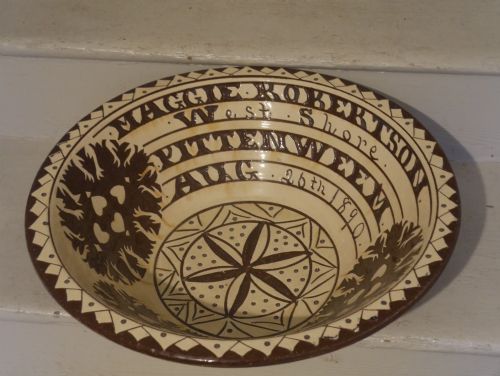
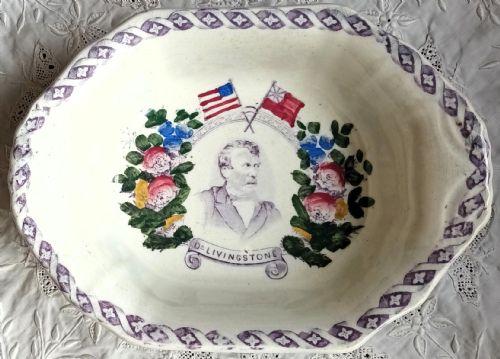
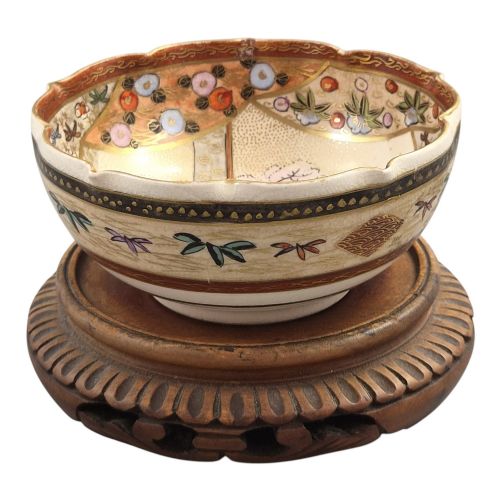
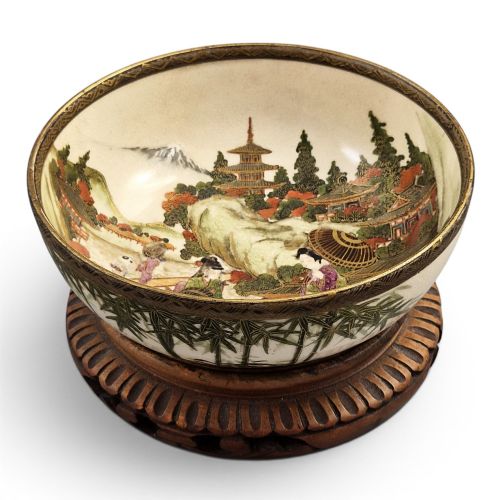
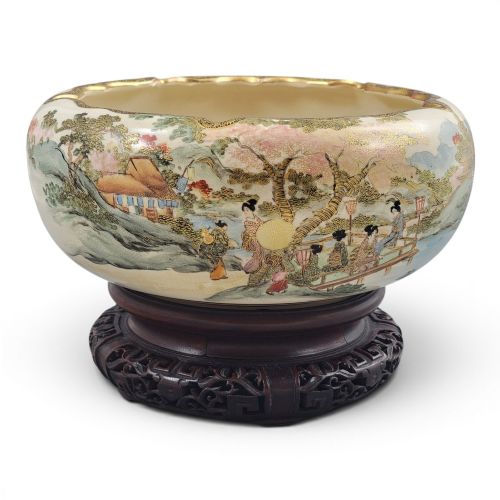
The selections here range from nineteenth-century British country pottery to Meiji period Japanese Satsuma bowls and early Persian fritware. Most pieces you meet on this page date from the nineteenth and early twentieth centuries, reflecting regional European and Asian studio practices.
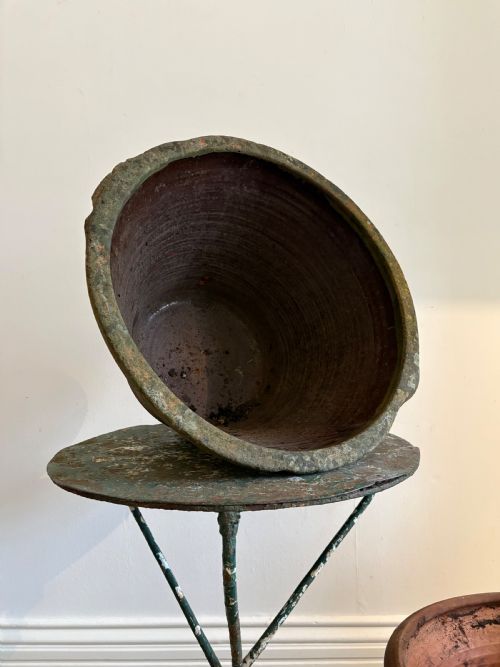
Forms vary from large terracottas with interior glazing to delicate footed bowls, sugar bowls, and chamber pieces. Each object serves as a tangible record of historical firing techniques and local domestic habits.
Materials and construction
Potters built these vessels using earthenware, terracotta, stoneware, porcelain, and fritware, applying smooth finishes inside and out. Mineral glazes provided a durable, pale surface that resisted liquids in practical dairy and table items.
Many examples incorporate enamel detailing, slip decoration, or gold leaf over the ceramic body. Firing temperatures determined whether the final piece resulted in porous earthenware or vitrified stoneware.
Makers shaped bodies by hand on the wheel or in moulds before applying specialised glazes that often crazed during cooling. Lustre techniques and crackle effects required precise kiln control to achieve distinctive surface textures.
Materials range from coarse terracotta and utilitarian earthenware to delicate Japanese Satsuma and Chinese export porcelain.
Distinguishing quality across periods
Quality rests upon the skill of the thrower, the refinement of the clay body, and the complexity of the glaze chemistry. Finer items exhibit controlled kiln reactions, precise brushwork in enamels, and crisp potting without warping.
Signed studio pieces and documented works by recognised makers demonstrate a higher tier of artistry than unlabelled utilitarian domestic ware. The execution of decorative motifs, whether Persian lustre or Satsuma gilding, separates standard production from masterwork output.
Preservation of the original glaze surface without extensive restoration elevates a piece within its category. The harmony between form and decorative scheme governs the standing of each vessel.
Doulton Lambeth·Royal Dux·Copeland·Mann And Co·Seaton Pottery·Shizan·Ryuzan·Shozan·Limoges
The Cream Glazed Ceramic Bowl Glossary
- Earthenware
- Porous pottery fired at lower temperatures, requiring a glaze to hold liquids. It represents one of the oldest methods of ceramic production.
- Fritware
- A type of pottery developed in the Near East using ground quartz and glass frit mixed with clay. This paste permitted thin walls and intricate carving.
- Satsuma
- Japanese earthenware pottery featuring a crackle-glaze and elaborate polychrome and gold enamel decoration. Kyoto studios produced many fine examples during the Meiji period.
- Majolica
- Tin-glazed earthenware known for brightly coloured metallic oxide glazes applied over an opaque white background. It gained popularity during the nineteenth century for decorative tableware.
- Spongeware
- Pottery decorated by applying pigment with a sponge or fabric pad to create a mottled pattern. It typifies nineteenth-century folk art traditions.
- Slip glaze
- Liquid clay mixed with colourants and applied to pottery before firing to create a smooth, sealed surface. North Country potteries utilised this technique extensively.
Cream Glazed Ceramic Bowl: Frequently Asked Questions
How do I clean an antique ceramic bowl?
Wash the piece gently by hand using lukewarm water and mild soap if needed, avoiding abrasive pads or soaking. Dry it immediately with a soft cloth to protect the glaze and any delicate enamel work.
Older ceramics often have hairline fractures or fragile surfaces that harsh detergents can damage. Regular dusting with a dry microfibre cloth keeps dust away safely.
Can I use these bowls for serving food?
Utilitarian vessels like dairy bowls and creamware were originally designed for food preparation or storage. However, older glazes can contain lead, making modern culinary use inadvisable.
Treat historical ceramics primarily as decorative display items rather than daily tableware. Visual appreciation avoids any risk of chemical leaching or accidental chips.
What is the difference between earthenware and stoneware?
Earthenware is fired at lower temperatures and remains slightly porous unless fully glazed. Stoneware uses higher heat, vitrifying the clay body into a dense, waterproof material.
Stoneware handles moisture and heavy use better than softer earthenware bodies. Both appear frequently in historical kitchen and dairy contexts.
How do I date an unmarked ceramic piece?
Examine the weight, clay composition, glaze characteristics, and potting style to narrow down the era. Crazing patterns and footring construction often reveal manufacturing methods characteristic of specific centuries.
Compare the piece against documented examples from similar kilns or regional potteries. Makers' marks, when present, provide the most direct confirmation of date and origin.
Why do some bowls have a crackle glaze?
Crackle glaze occurs when the glaze layer shrinks at a different rate than the clay body during kiln cooling. Potters sometimes engineered this effect deliberately as an aesthetic choice.
Historical Japanese Satsuma wares frequently display fine crackling across the surface as a sign of authenticity. Over time, staining can settle into these tiny lines, adding depth.