

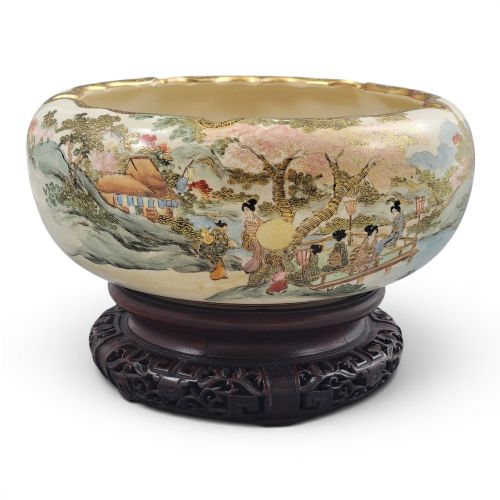


Meiji Period Satsuma Bowl
A meiji period satsuma bowl brings intricate hand-painted storytelling and rich gilding directly into a room.
Meiji Period Satsuma Bowl
A meiji period satsuma bowl forms part of a distinctive tradition of Japanese ceramic artistry created during the late nineteenth and early twentieth centuries. These pieces encompass various forms including decorative bowls, sugar bowls, and bowls with saucers.
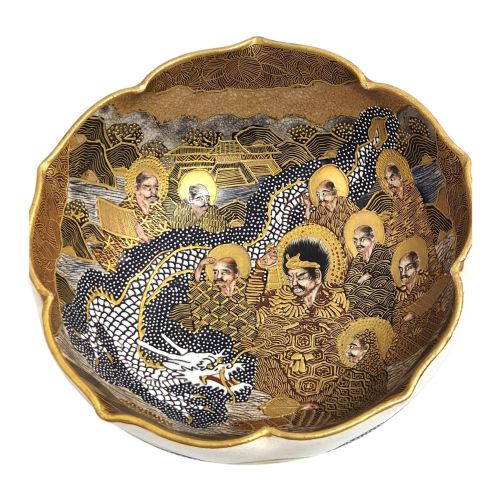
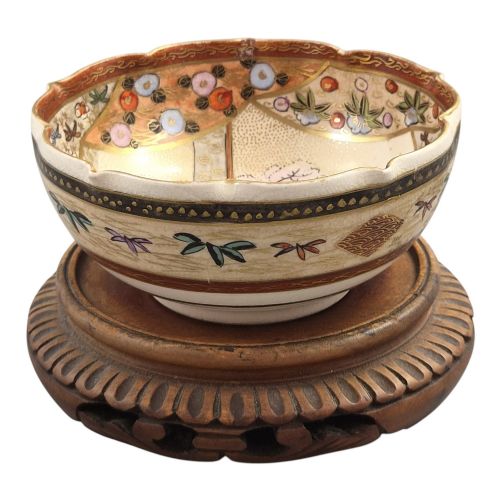
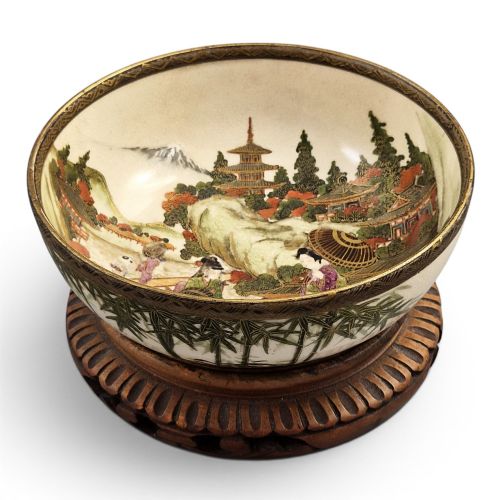
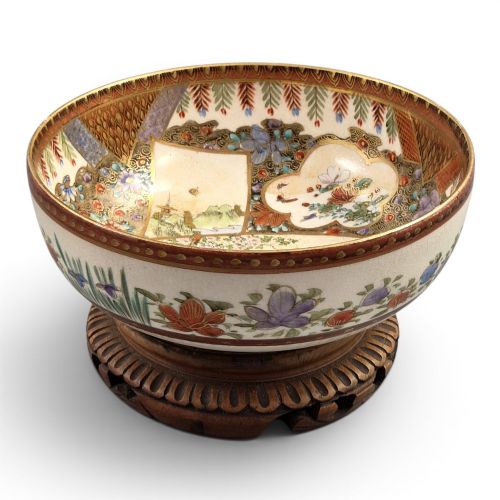
The objects present diverse decorative themes ranging from floral arrangements and thousand flowers patterns to elaborate samurai battle scenes and figural compositions. Pieces originate from key production centres such as Kyoto and Yokohama.
Collectors encounter works dating from the nineteenth century through to the Edwardian period, reflecting the global reach and artistic output of Japanese ceramic studios at the time.
Determinants of quality
Excellence in a meiji period satsuma bowl rests upon the precision of the brushwork and the complexity of the painted narrative, such as crowded battle scenes or delicate floral arrangements. Master signatures and specific studio attributions indicate higher tiers of craftsmanship.
The application of gold leaf and the depth of the enamel work distinguish finer examples from standard commercial output. Scale also plays a role, with monumental or particularly large vessels demonstrating advanced technical control during firing and decoration.
Meiji Period Satsuma Bowl Retail Price Guide 2026
Typical asking prices for meiji period satsuma bowl among the pieces listed under this phrase on Sellingantiques today, from the lower quarter to the upper quarter. They describe what is for sale here now, not the wider market.
Listings feature works from Kyoto and Yokohama studios, dating across the nineteenth century, Victorian, and Edwardian periods.
Kozan·Shizan·Ryuzan·Kinkozan·Nikko·Hododa·Shozan·Hozan
The Meiji Period Satsuma Bowl Glossary
- Earthenware
- A type of porous pottery fired at lower temperatures, commonly used as the base body for satsuma ware before painting and glazing.
- Enamel
- Opaque or translucent glass-like substance applied to the ceramic surface in various colours to create detailed pictorial designs.
- Gilt
- A thin layer of gold or gold leaf applied to accentuate specific areas of the decoration, often highlighting borders and motifs.
- Shimazu crest
- The traditional mon or badge of the Shimazu clan, frequently found on high-quality satsuma ceramics associated with their patronage.
- Millefleur
- A dense decorative pattern composed of countless small painted flowers covering the entire surface of the vessel.
Meiji Period Satsuma Bowl: Frequently Asked Questions
How do I identify a meiji period satsuma bowl?
Look for a finely craquelated cream-coloured earthenware glaze decorated with intricate enamel paintings and heavy gilding. Many authentic examples feature artist signatures or studio marks on the base.
Context such as the use of traditional Japanese motifs, floral themes, or the Shimazu family crest further helps confirm the period and origin.
Where were these bowls made?
Production primarily centred around Kyoto, where notable kilns and master workshops produced high-grade decorative ceramics for export and domestic markets. Other locations such as Yokohama also contributed to the trade during the late nineteenth century.
Studio names associated with Kyoto and Yokohama frequently appear in the signatures recorded on these pieces.
What subjects appear on the painted designs?
Common subjects include detailed floral compositions, birds, and thousand flowers patterns known as millefleur. Narrative scenes depicting samurai battles, women, and children under trees also feature prominently.
Artists utilised vibrant enamel colours and gold leaf to bring these complex pictorial themes to life across the vessel surfaces.
How should I care for an antique satsuma bowl?
Handle the vessel with clean hands and support the base fully when moving it to protect the earthenware body and delicate enamels. Avoid exposing the piece to moisture, harsh cleaning chemicals, or direct sunlight to preserve the gold leaf and paint.
Dust the surface gently with a soft, dry cloth rather than washing it.