


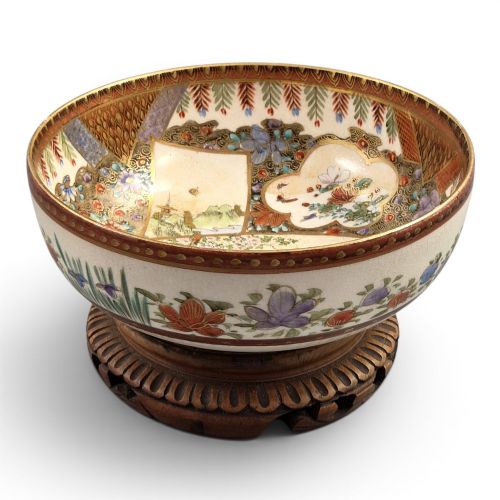
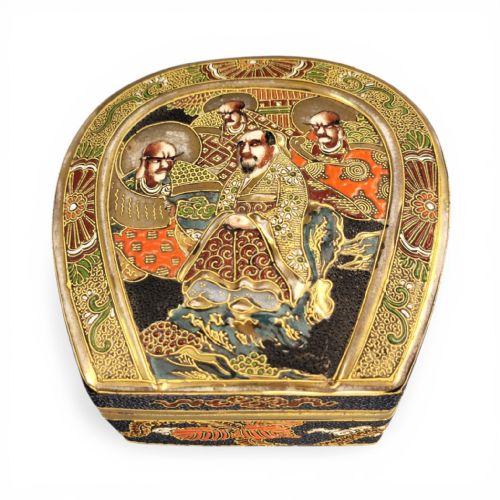


Gilded Japanese Satsuma Dish
A gilded Japanese satsuma dish brings intricate Meiji period earthenware and gold leaf into your home.
Gilded Japanese Satsuma Dish
A gilded Japanese satsuma dish is a form of decorated earthenware originating in Japan during the 19th Century, Meiji Period, and early 20th century. These objects include decorative bowls, chargers, trinket boxes, and plates featuring detailed enamel and gold gilt work.
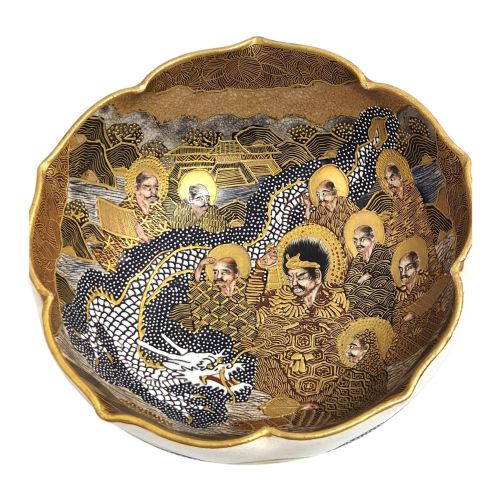
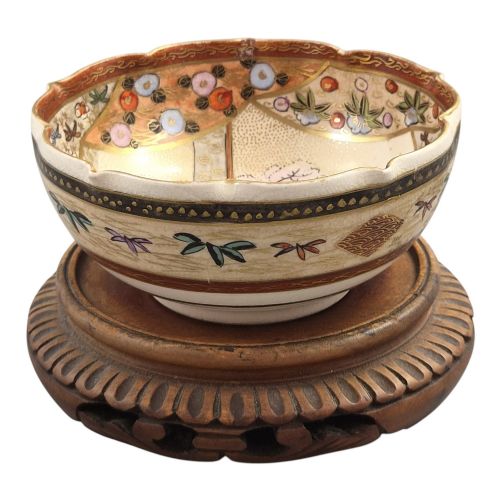
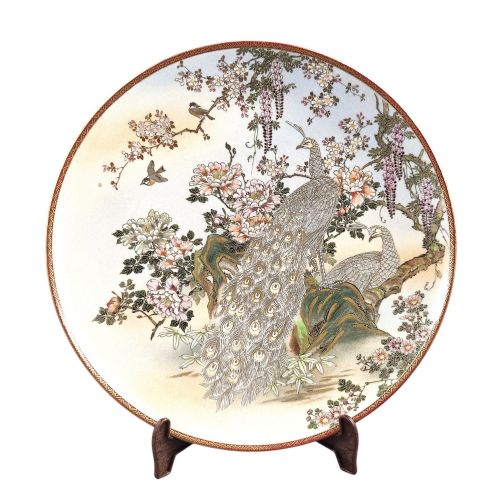
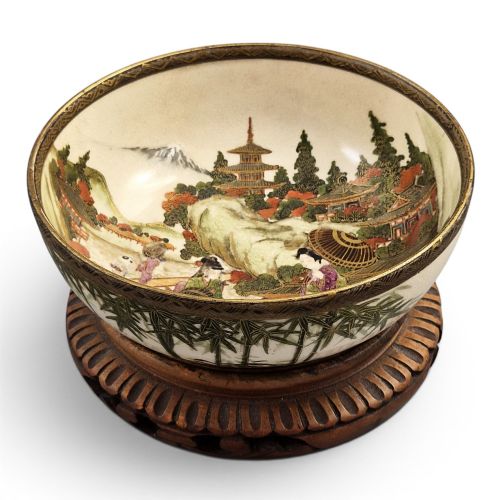
Buyers will encounter various forms on this page, ranging from large chargers with peacocks and wisteria to small Kyoto bowls and shallow dishes. The pieces frequently span periods such as the Victorian and Edwardian eras alongside Japanese Meiji styles.
How they were made
These items are constructed primarily from earthenware, shaped into bowls, plates, and boxes before receiving detailed decoration. Artisans applied enamel and gold leaf, often utilising moriage techniques to create raised surface patterns.
Makers integrated gilt and gold gilt highlights alongside intricate hand-painted scenes of figures, dragons, and thousand flowers. Wood is also recorded among the materials used in association with these works.
Gilded Japanese Satsuma Dish Retail Price Guide 2026
Typical asking prices for gilded japanese satsuma dish among the pieces listed under this phrase on Sellingantiques today, from the lower quarter to the upper quarter. They describe what is for sale here now, not the wider market.
Peacocks, wisteria, and dragons share the ceramic space, turning a simple earthenware dish into a bustling menagerie of gold and enamel.
What varies in quality
Quality in a gilded Japanese satsuma dish rests upon the fineness of the brushwork and the complexity of the enamel and gold leaf application. Pieces decorated by known makers such as Hododa, Taizan, Koshida, or Toshozan display superior artistic control in their figurative and floral scenes.
The density and precision of the moriage relief work and the preservation of the gilt across the earthenware surface distinguish standard production from exceptional examples.
Taizan·Koshida·Kozan·Toshozan·Shuzan·Yasuda·Hododa
The Gilded Japanese Satsuma Dish Glossary
- Satsuma
- A type of Japanese earthenware featuring a crackled cream-coloured glaze that provides a canvas for enamel and gold decoration. It originated in Satsuma Province before production spread to Kyoto and Yokohama.
- Moriage
- A ceramic technique where slip is piped onto the surface to create raised, textured decorative patterns. This relief work is often highlighted with enamel and gold leaf.
- Meiji Period
- The era of Japanese history lasting from eighteen sixty-eight to nineteen twelve, marked by intense artistic production for export. Many items on this page date from this specific period.
- Charger
- A large decorative plate intended for display rather than dining use. These pieces often feature elaborate pictorial scenes involving birds, flowers, or figures.
- Gilt
- A thin layer of gold or gold leaf applied to the surface of the earthenware. It accentuates the borders and key design elements of the dish.
Gilded Japanese Satsuma Dish: Frequently Asked Questions
How do I display a satsuma dish?
These decorative plates and chargers suit wall mounting or placement on sturdy stands where the enamel and gold leaf catch the light. Ensure they rest away from direct foot traffic to protect the earthenware body.
Smaller bowls and trinket boxes fit well on cabinet shelves or tables where their detailed painting can be examined up close.
What subjects appear on these dishes?
Common motifs include figures under camellia trees, dragons, peacocks, wisteria, and peonies. Thousand flowers or millefleur patterns also cover the surface of certain bowls and saucers.
These designs often reflect traditional Japanese aesthetics popular during the Meiji period and late nineteenth century.
How do I clean a gilded dish?
Dust the surface gently with a soft, dry brush to remove particles without disturbing the raised enamel and gold gilt. Avoid liquid cleaners and harsh chemicals, which can damage the delicate glaze.
Keeping the piece in a stable environment protects the earthenware and the gold leaf from moisture and wear.
Are these pieces signed?
Many fine pieces bear artist signatures or workshop marks on the base, identifying makers such as Hododa or Toshozan. These signatures provide valuable context regarding the origin and production of the item.
Unsigned pieces remain common, relying on their stylistic execution and material quality for identification.