


Victorian Dairy Bowl
These Victorian dairy bowl examples bring rustic utility into modern interiors, offering heavy earthenware and warm turned wood shaped for practical farm use.
Victorian Dairy Bowl
A victorian dairy bowl serves as a tangible link to nineteenth-century agricultural life, where large open vessels were essential for separating cream from milk in working dairies. Buyers encounter these pieces in sturdy domestic ceramics and turned sycamore wood, reflecting the utilitarian needs of rural households from the nineteenth century onward.
The selection on this page centres primarily on sturdy earthenware, glazed terracotta, and sycamore wood vessels. Forms range from broad cream setting pans to deep salting crocks and decorative treen bowls, showing the diverse ways farm equipment survived into domestic use.
How they were made
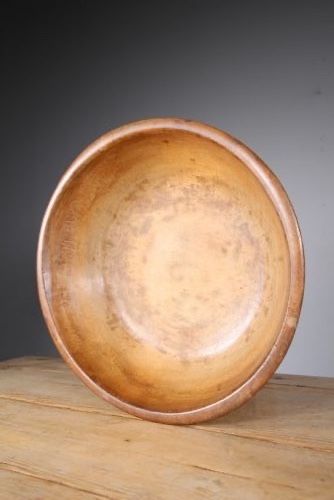
Makers shaped sycamore wood on a lathe to create lightweight, tactile treen bowls that resisted splitting during daily dairy work. Woodworkers selected sycamore for its clean, pale grain and durability against moisture.
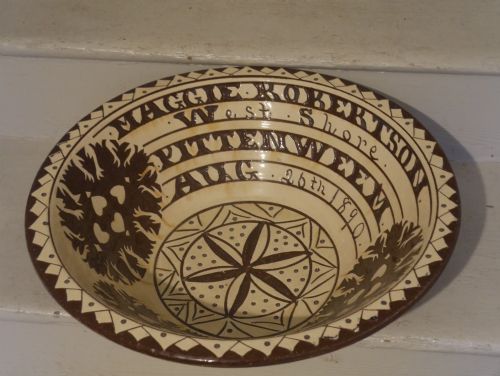
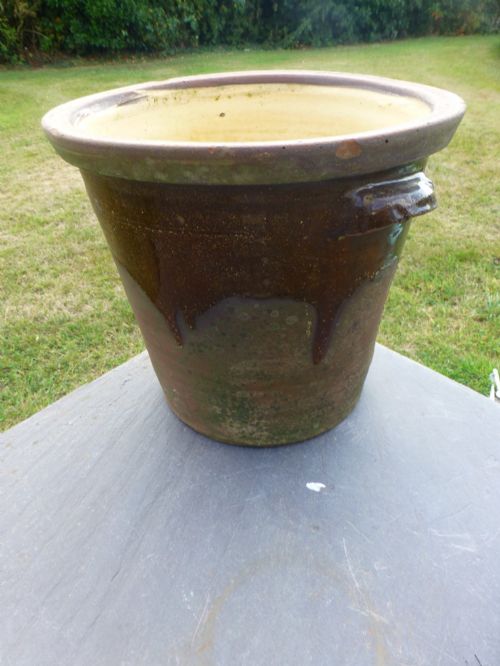
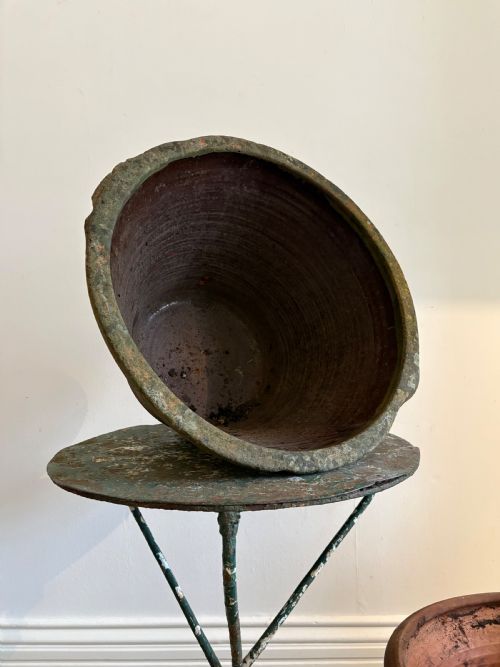
Potters threw heavy earthenware and terracotta on wheels, applying internal glazes to make the porous clay bodies watertight for holding milk and cream. Some pieces incorporate slip glazes or feature copper construction for specialised setting pans.
Some copper setting pans carry the quiet hum of nineteenth-century dairy work straight into modern kitchens.
What varies in quality
Quality rests in the honesty of the material and the preservation of original tool marks, whether from the turner's chisel or the potter's kiln. Sycamore bowls with deep, warm patinas developed through generations of scrubbing show superior character compared to dry, stripped timber.
Ceramic examples demonstrate quality through the evenness of the interior glaze and the crispness of form in large terracotta bodies. Vessels retaining legible maker attribution or specific regional origins command greater interest from collectors.
The Victorian Dairy Bowl Glossary
- Treen
- Small handmade wooden domestic objects. These items were turned or carved from native timbers like sycamore for everyday kitchen and dairy use.
- Slip glaze
- Liquid clay applied to pottery before firing. This technique created a smooth, impermeable interior surface essential for containing dairy liquids.
- Terracotta
- Fired unglazed or partially glazed red earthenware clay. This porous material was widely utilised for heavy agricultural crocks and garden planters.
- Cream setting pan
- A wide, shallow vessel designed to hold milk. The expansive surface area allowed cream to rise efficiently for skimming.
Victorian Dairy Bowl: Frequently Asked Questions
What were dairy bowls used for?
These vessels held freshly milked cow's milk in farm dairies to let the cream rise to the top for skimming.
After skimming, the bowls served various general farmhouse and kitchen duties, including food preparation and salting meat.
How do I clean a wooden dairy bowl?
Wipe wooden sycamore bowls with a damp cloth and mild soap, avoiding prolonged soaking in water.
Periodically treat the dry timber with food-safe mineral oil to nourish the wood and maintain the warm patina.
Are terracotta bowls waterproof?
Terracotta dairy bowls feature a glazed interior surface that prevents milk and water from seeping through the porous clay body.
The unglazed exterior remains permeable, allowing moisture to breathe naturally through the earthenware wall.
How do I date a wooden bowl?
Examine the interior surface for subtle tool marks left by the woodturner's lathe, which indicate hand-turning methods.
Deep patinas, surface wear patterns, and the choice of native timbers like sycamore help distinguish nineteenth-century examples.