



Large Terracotta Bowl
A large terracotta bowl brings earth and utility into a room, shaped for the dairy, the garden, or the kitchen.
Large Terracotta Bowl
A large terracotta bowl serves as a functional vessel or a decorative centrepiece, drawing on forms from rural Europe, Africa, and Asia. When you search for a large terracotta bowl, you encounter heavy earthenware bodies designed for practical domestic tasks like dairy work or gardening.
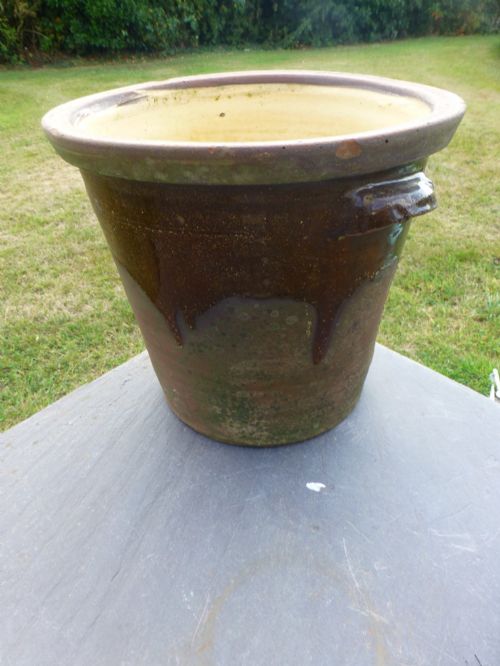
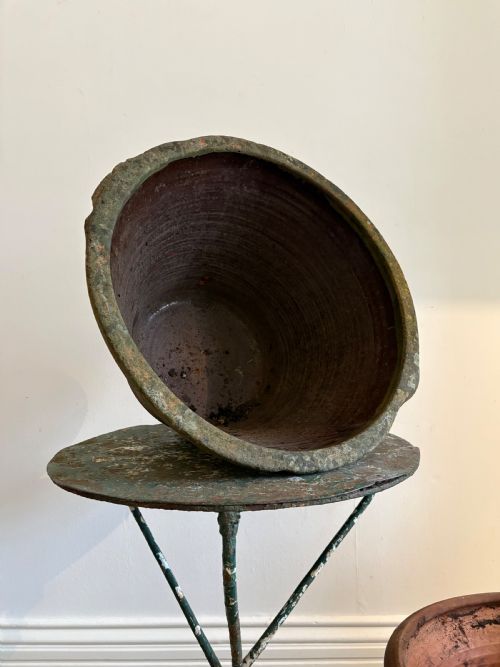
The pieces listed on this page span the nineteenth and early twentieth centuries, featuring regional dairy bowls, French tian bowls, and garden pancheons alongside glazed earthenware and decorative planters. These utilitarian origins give each vessel a robust presence and a weathered surface shaped by its history of use.
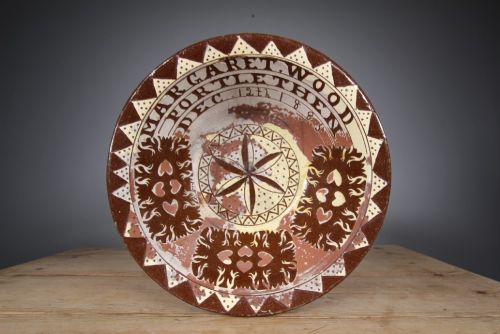
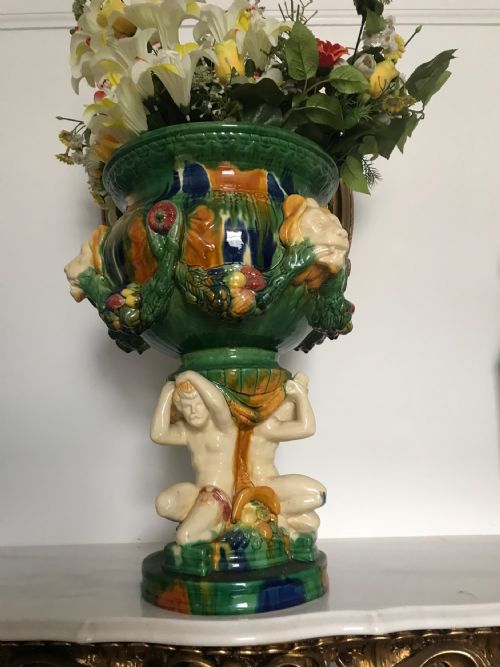
Rustic vernacular forms dominate the selection, showing the heavy potting and earthy tones characteristic of nineteenth-century country workshops. Alongside these functional items, the evidence includes porcelain and majolica decorative chargers, widening the scope of what these large bowls can offer an interior.
Materials and construction
Potters shaped these vessels from porous terracotta and earthenware, applying lead glazes or slip to the interior surfaces to hold liquids for dairy work or food preparation. This combination of raw clay and targeted glazing protects the porous body while leaving the exterior matte and tactile.
Firing took place in traditional kilns, resulting in natural variations in colour across the clay body and the glaze run. Artisans often reinforced rims for heavy lifting, shaping the heavy walls to withstand daily agricultural and household labour.
Listings feature nineteenth-century earthenware and terracotta from English, French, and African origins, highlighting utility and rustic craft.
Factors that define quality
Quality in a large terracotta bowl rests upon the balance of its proportions and the integrity of the clay body. Heavier potting and confident throwing distinguish a vessel made for heavy agricultural labour from a lighter decorative piece.
The application of the interior glaze creates a distinct visual contrast against the raw exterior clay. Rich slip trails, deep green or yellow lead glazes, and well-preserved surface wear elevate the character of a utilitarian vessel.
Seaton Pottery·Royal Dux
The Large Terracotta Bowl Glossary
- Terracotta
- A porous, unglazed or glazed red earthenware fired at relatively low temperatures. This foundational ceramic material forms the heavy body of rural vessels and garden planters.
- Slipware
- Pottery decorated with a thin mixture of clay and water applied before firing. This technique creates contrasting patterns and linear designs across the interior of the bowl.
- Tian bowl
- A large French earthenware vessel traditionally used in Provence for food preparation, laundry, or agricultural tasks. These deep basins typically feature a rich coloured glaze on the interior.
- Pancheon
- A large, wide earthenware pan used in dairies for setting milk to rise so the cream could be skimmed. Their sturdy walls and broad rims suit heavy domestic chores.
- Majolica
- A type of earthenware coated with an opaque white tin glaze and painted with metallic oxide colours. This technique allows for vibrant decoration on figural bases and decorative chargers.
Large Terracotta Bowl: Frequently Asked Questions
What were large terracotta bowls used for?
These large vessels served practical roles in rural homes, specifically for dairy work like setting milk and skimming cream. They also held water, garden plants, or domestic stores.
Over time, their robust utility made them staples in farmhouse kitchens and agricultural dairies across Europe.
How do I clean a glazed terracotta bowl?
Wipe the surface gently with a damp cloth and mild soap if needed, avoiding harsh scrubbing that might damage aged glazes. Keep the unglazed exterior dry and protected from excess moisture.
Harsh soaking can harm porous earthenware bodies that have aged over a century.
Can I use a terracotta bowl outside?
Many of these bowls served as garden planters or pancheons, but historical earthenware can be sensitive to frost. Bringing them indoors during freezing weather prevents the porous clay from cracking.
Verify whether the specific piece has a fully sealed interior glaze before exposing it to damp garden conditions.
How do I date a 19th-century bowl?
Examine the weight, the throwing rings left by the potter's wheel, and the composition of the clay body. Nineteenth-century pieces often display hand-finished rims and characteristic glaze pooling.
Maker marks, where present, or distinct regional styles like French tian forms also help pinpoint the origin.