




Brown Glazed Bowl
These brown glazed bowl examples span utilitarian dairy wares and fine cabinet pieces, offering deep earthy tones and tactile surfaces for any interior.
Brown Glazed Bowl
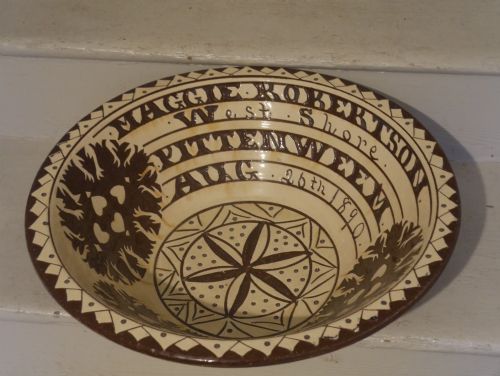
A brown glazed bowl encompasses utilitarian earthenware and stoneware vessels alongside refined decorative ceramics. Buyers searching for a brown glazed bowl encounter practical nineteenth century dairy and storage vessels, together with artistic creations from diverse global traditions.
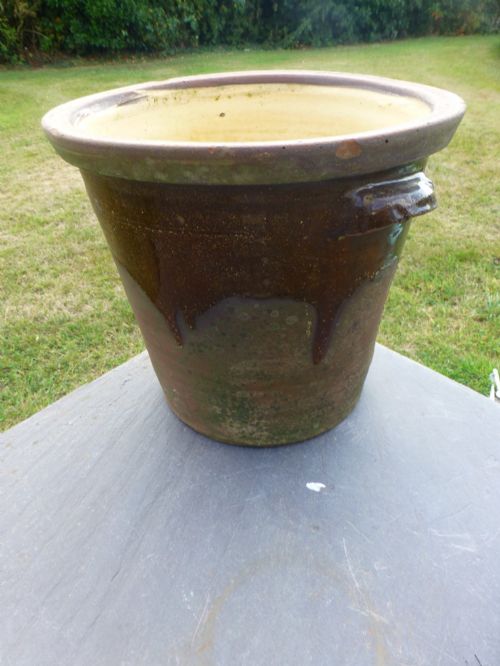
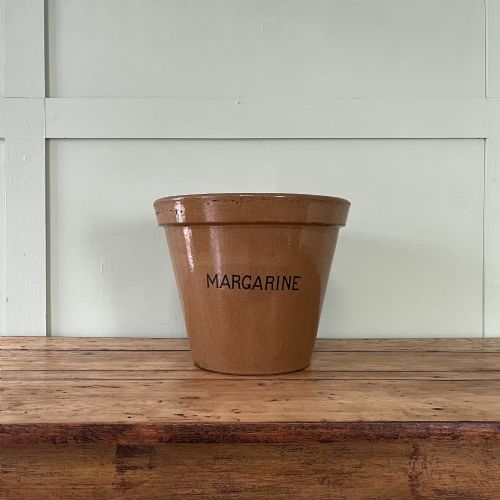
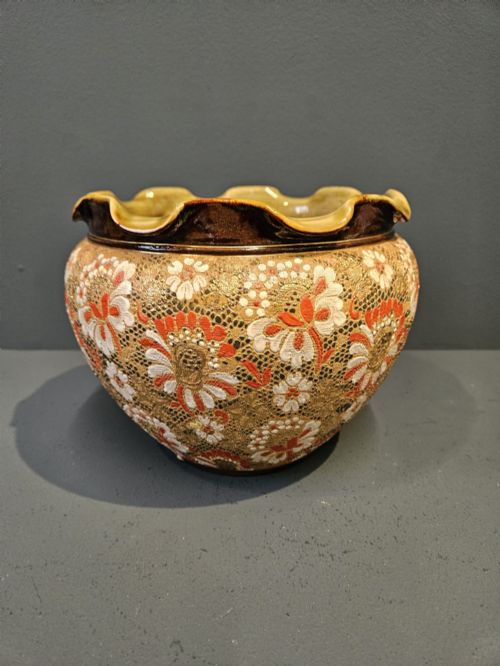
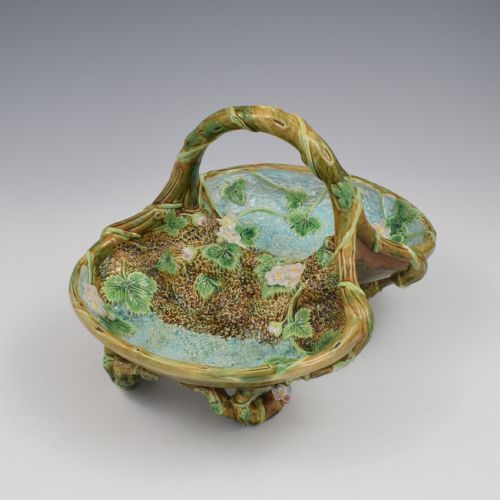
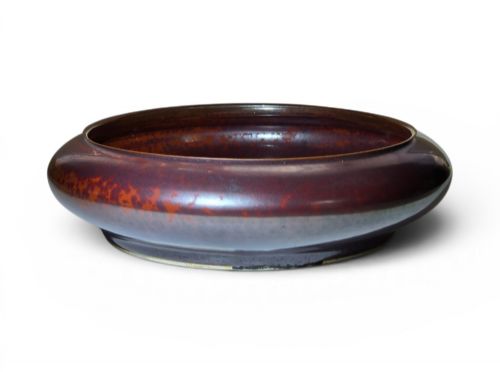
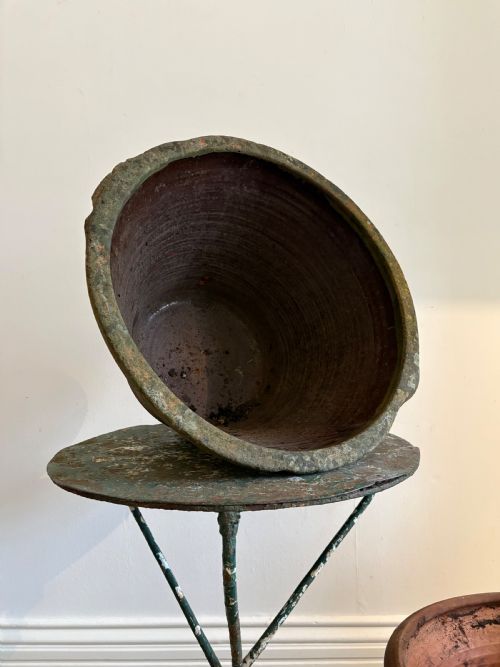
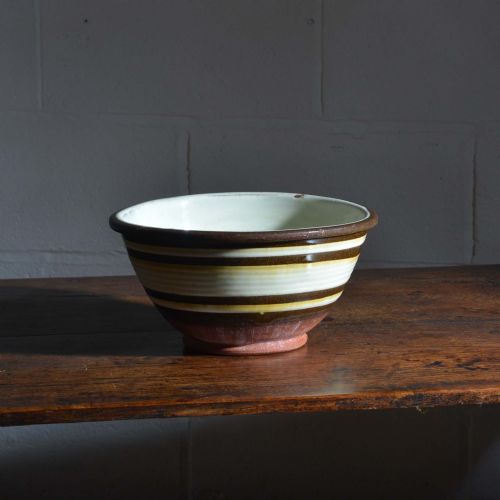
The domestic selection includes large terracotta dairy bowls, salting crocks, and heavy margarine bowls featuring robust interior glazing. Alongside these utilitarian forms appear decorative majolica baskets, art pottery jardiniere vessels, and delicate Chinese monochrome porcelain.
Origins stretch from regional British potteries and Staffordshire workshops to Qing Dynasty imperial kilns and medieval Persian centres. This mix bridges simple rural vernacular objects and highly specialised artistic ceramics united by their rich brown and earth-toned surfaces.
How they were made
Makers shaped these vessels using earthenware, terracotta, stoneware, and porcelain, applying various glazes to seal the porous bodies. Slip glazes, iron rust glazes, and rich chocolate coatings provided both waterproof functionality and deep surface coloration.
Firing techniques ranged from traditional kiln methods in regional dairies to sophisticated imperial Chinese wood-firing processes. Potters utilised local clays for heavy utilitarian crocks while employing refined porcelain bodies for delicate brush washers and reserve bowls.
Materials span earthenware, terracotta, stoneware, and porcelain, finished with specialised slip, chocolate, and iron rust glazes.
What varies in quality
Quality rests upon the harmony between the body clay and the depth of the glaze finish. Rich iron rust applications and lustrous slip surfaces elevate simple earthenware forms into compelling visual objects.
Fine craftsmanship shows in the crispness of moulded details, such as majolica basket-weave textures or applied floral reserves on Chinese porcelain. Utilitarian pieces demonstrate quality through sturdy construction, well-poured interior glazes, and honest signs of period use.
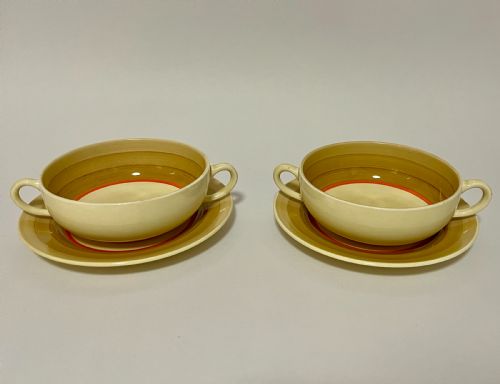
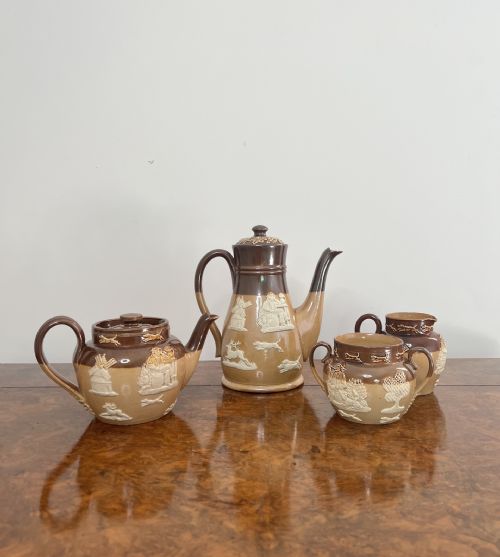
Doulton Lambeth·George Jones·Clarice Cliff·Seaton Pottery
The Brown Glazed Bowl Glossary
- Earthenware
- Porous pottery fired at lower temperatures, requiring a glaze to hold liquids. It forms the foundation of most traditional dairy bowls and rustic vernacular vessels.
- Stoneware
- Dense, non-porous ceramic fired at higher temperatures until vitrified. This material is chosen for heavy storage crocks and durable domestic kitchenware.
- Slip Glaze
- Liquid clay mixed with colourants, often iron-based, applied to pottery before firing. It creates a smooth, durable brown or amber coating on utilitarian vessels.
- Majolica
- Earthenware decorated with colourful opaque lead glazes over an enamel ground. Victorian makers utilised this technique for decorative fruit and strawberry baskets.
- Jardiniere
- An ornamental ceramic pot designed to hold a live plant. These vessels often feature rich exterior glazes and decorative relief moulding.
Brown Glazed Bowl: Frequently Asked Questions
How were brown glazed bowls used in the dairy?
Dairy bowls provided wide, shallow surfaces that allowed milk to settle so that cream could easily rise to the top. The interior glaze kept the porous earthenware watertight and prevented dairy fats from soaking into the clay.
Workers used these heavy vessels daily in farm settings for skimming cream, setting butter, and storing provisions. Their robust construction ensured they could withstand repeated washing and heavy handling.
Can I use an antique bowl for food today?
Many nineteenth century earthenware and stoneware vessels contain historic lead-based glazes that are unsuitable for modern food consumption. Utilitarian items often bear internal wear from centuries of agricultural use.
Displaying these pieces as decorative objects or dry storage containers preserves their historic surfaces. Buyers should inspect interior glazes carefully before considering any culinary application.
How do I tell utilitarian wares from art pottery?
Utilitarian vessels display heavy terracotta or stoneware bodies, thick slip glazes, and functional forms designed for dairy work or food storage. They prioritize durability and practical capacity over ornamentation.
Art pottery and decorative items feature refined glazes, delicate moulding, and studio marks associated with specific factories. These pieces were created for display in domestic interiors rather than agricultural labour.
What causes differences in brown glaze tones?
Glaze colour variation depends primarily on the concentration of iron oxides in the slip and the firing atmosphere inside the kiln. Red earthenwares combined with iron-rich washes produce deep chocolate, amber, and rust hues.
Variations in kiln temperature and placement also alter how the minerals react during firing. This technical unpredictability gives each historic piece its own distinct surface character.