
Glazed Earthenware Bowl
A glazed earthenware bowl brings tactile warmth to a room, offering centuries of utilitarian and decorative history through its rich surface finish.
Glazed Earthenware Bowl
A glazed earthenware bowl encompasses domestic vessels, dairy containers, and decorative ceramic forms made from porous clay bodies sealed with vitreous coatings. Collectors encounter examples spanning from pre-sixteenth century Persian buffware through to twentieth-century Art Deco and Edwardian household sets.
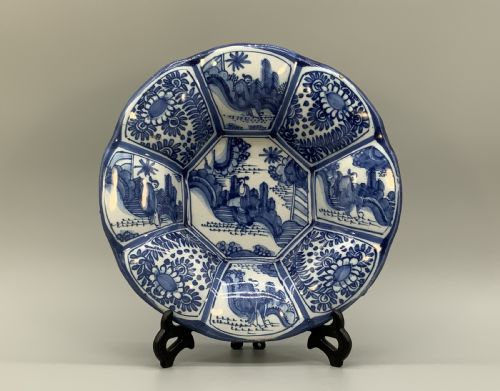
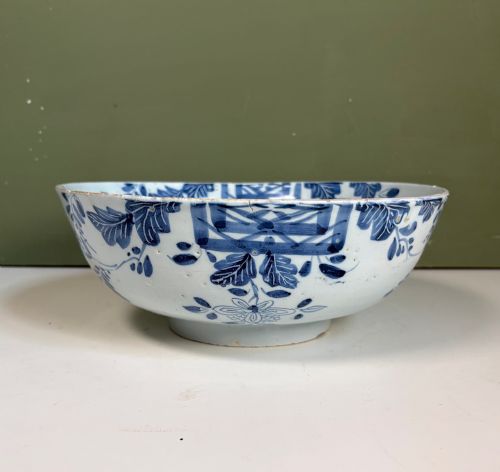
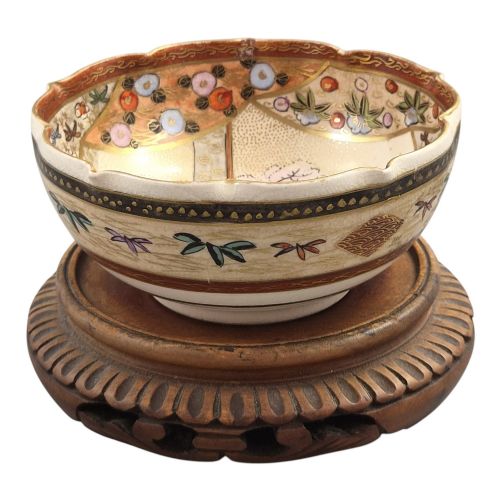
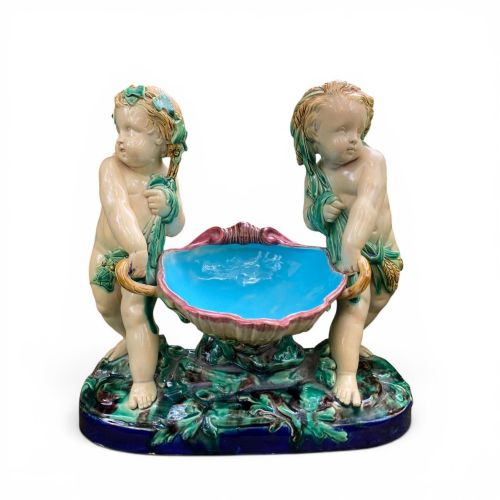
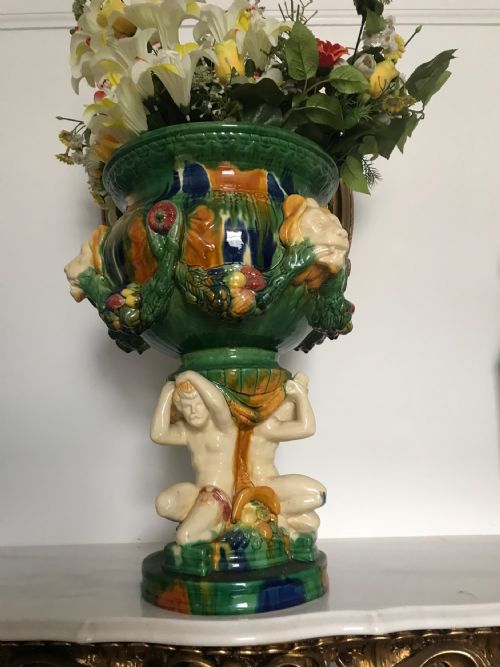
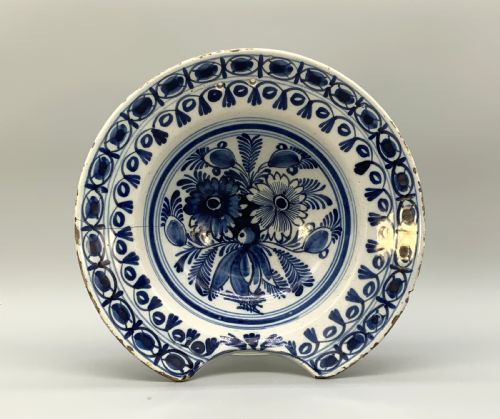
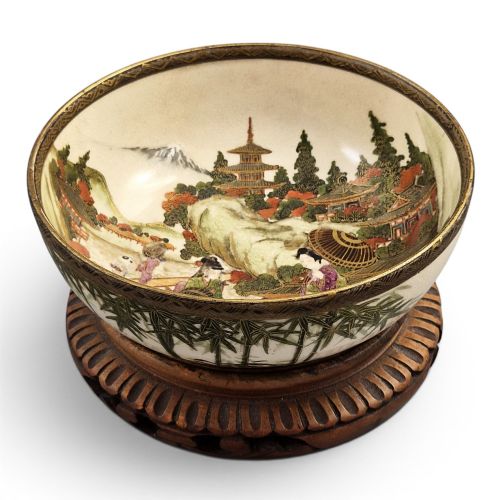
The selection ranges from large nineteenth-century dairy salting crocks and heavy terracotta utility bowls to delicate Japanese Satsuma earthenware and eighteenth-century tin-glazed Delft dishes. Buyers frequently find utility vessels alongside highly ornamented majolica and slipware serving pieces.
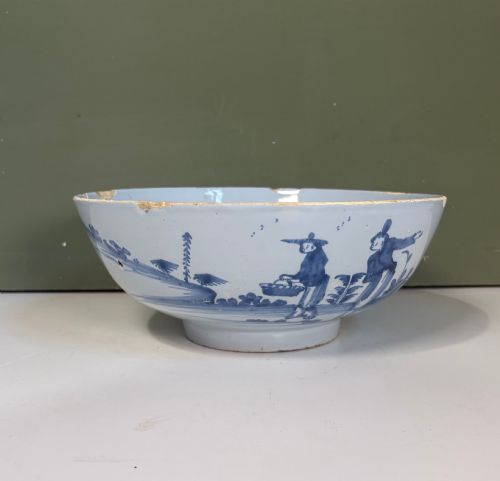
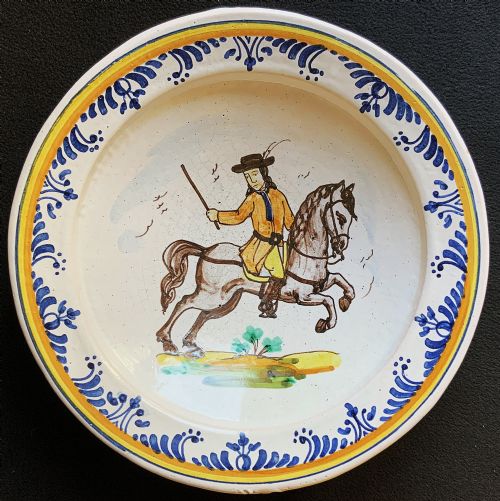
European tin-glazed wares sit alongside Asian earthenware ceramics, providing a diverse array of blue and white patterns, polychrome glazes, and figurative motifs. Each period offers distinct forms shaped by local domestic needs and prevailing ceramic fashions.
How They Were Made
Potters shaped porous earthenware and terracotta on the wheel or pressed clay into moulds, creating thick-walled dairy vessels alongside thin decorative bowls. These bodies required firing at moderate temperatures to achieve stability before receiving surface decoration.
Craftspeople applied tin-glazes, lead glazes, and enamel finishes directly onto the biscuit earthenware to seal the porous clay body. Artisans painted designs in cobalt blue or polychrome pigments onto the wet or dry glaze layer before a final kiln firing fixed the colours.
Specialist techniques involved lustre applications, slip trailing, and hand-painted brushwork, particularly evident in majolica and Delftware production. Gold leaf additions and intricate enamelling appeared on later Japanese Satsuma pieces.
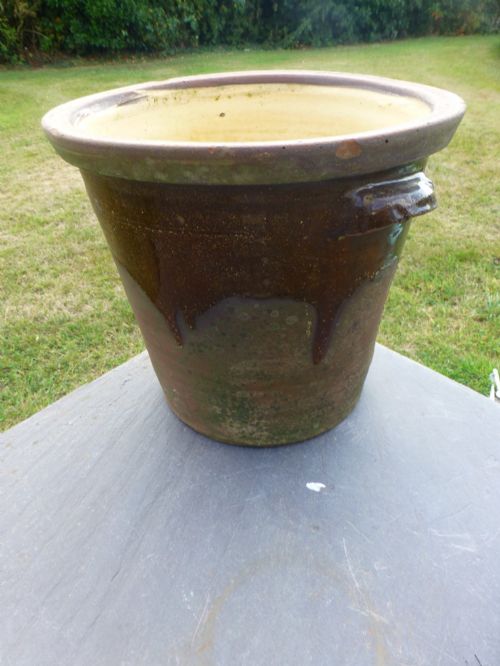
A Scottish dairy bowl once held milk in a nineteenth-century Highland dairy before finding a quiet retirement on a modern mantelpiece.
What Varies in Quality
The sophistication of the painted decoration distinguishes standard utilitarian wares from master-painted studio pieces. Crisp brushwork on Delft dishes and detailed polychrome execution on Satsuma bowls demonstrate higher artisan skill.
Control during the glaze firing determines surface uniformity and colour purity across tin-glazed earthenware and majolica surfaces. Even glaze coverage without excessive pooling or crawling separates superior ceramic output from everyday production.
The preservation of original surface finishes, hand-painted signatures, and structural integrity without extensive restoration dictates the standing of historical earthenware within a collection.
Minton·Clarice Cliff·Ulisse Cantagalli·Mann And Co·Booths
The Glazed Earthenware Bowl Glossary
- Earthenware
- Porous pottery fired at lower temperatures that requires a vitreous glaze to hold liquids. This material forms the base of traditional dairy bowls and majolica vessels.
- Tin-Glaze
- An opaque white glaze containing tin oxide that provides a smooth background for painted blue and white or polychrome decoration. Eighteenth-century Delftware relies heavily on this technique.
- Majolica
- A type of earthenware coated with an opaque tin glaze and decorated with coloured metallic oxide paints. Victorian comports and large planters often utilise this vibrant style.
- Slipware
- Pottery decorated with a thin mixture of clay and water applied before firing to create contrasting surface patterns. Slipware serving dishes display this traditional fluid technique.
- Satsuma
- Japanese earthenware produced in Kyoto and other provinces featuring a fine crackle-glaze and elaborate polychrome and gilt decoration. These pieces often bear signatures from renowned masters.
Glazed Earthenware Bowl: Frequently Asked Questions
Are these bowls safe for food use?
Many older glazed earthenware bowls contain lead or other metal oxides within their glaze compositions, making them unsuitable for modern food consumption. Utilise antique and vintage pieces primarily for display or dry storage.
Twentieth-century production pieces sometimes meet contemporary standards, but older dairy vessels and Delftware should be kept away from acidic foods.
How can I tell Delftware from other pottery?
Examine the exposed clay body on the base of the vessel to identify porous buff or pinkish earthenware beneath a white tin-glaze. Look for typical blue and white Chinoiserie motifs or historical scenes painted on the surface.
Eighteenth-century examples often display minor glaze imperfections and stilt marks on the underside from the kiln firing process.
What is the difference between a dairy bowl and a decorative bowl?
Dairy bowls feature heavy, thick walls designed for utilitarian farm work such as settling milk and storing produce. They are typically unpretentious in form and built for durability.
Decorative bowls and centrepieces focus on refined shapes, intricate painted glazes, and artistic motifs intended for interior ornamentation rather than agricultural labour.