



Large Earthenware Bowl
A large earthenware bowl brings weight and a grounded, tactile presence to a room, carrying centuries of utilitarian and decorative craft.
Large Earthenware Bowl
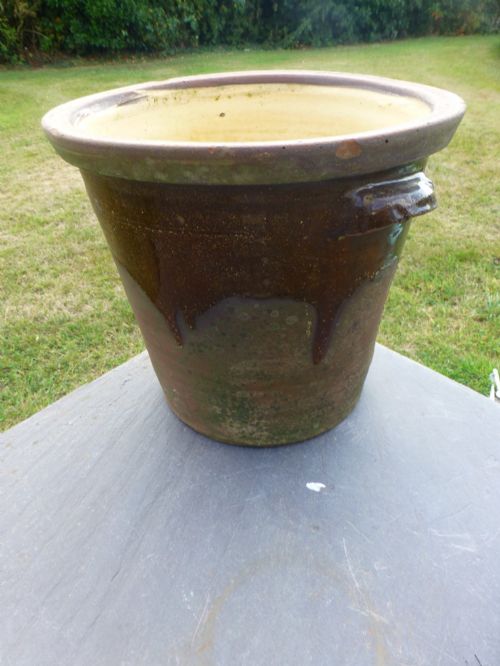
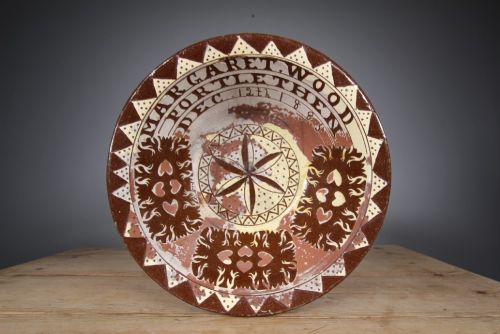
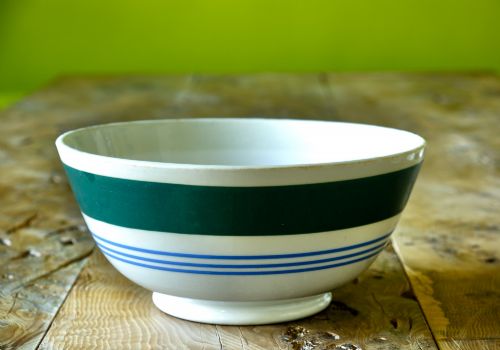
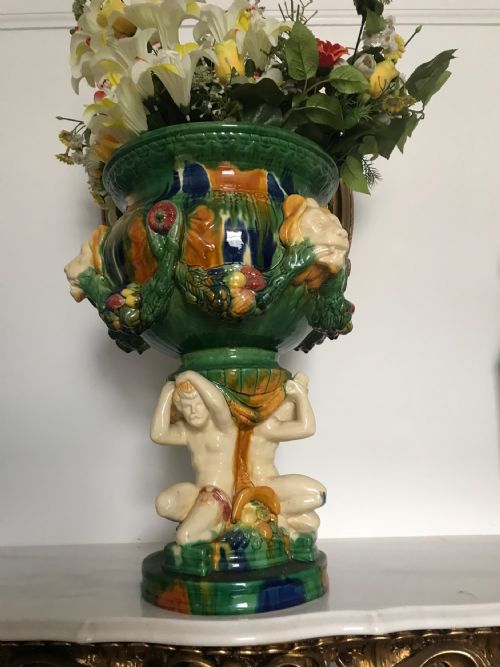
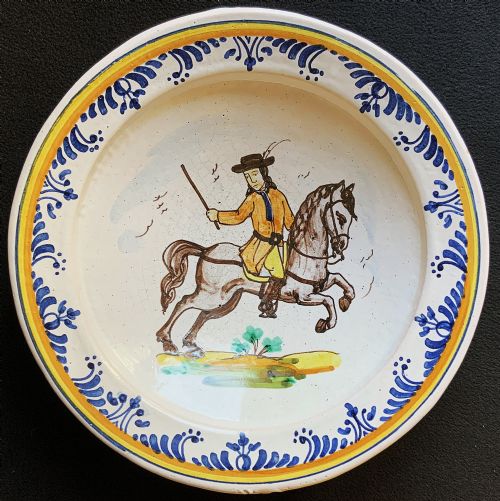
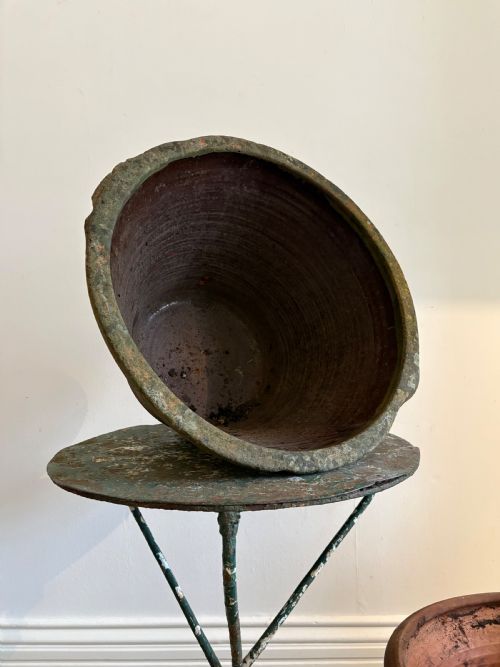
The domestic varieties found here include nineteenth-century terracotta dairy bowls with glazed interiors, mixing bowls, and spongeware or slipware vessels intended for hard daily use. Alongside these practical pieces sit decorative chargers, fruit bowls, and jardinieres originating from English potteries, European workshops, and Asian kilns.
Nineteenth-century examples dominate the selection, often displaying regional vernacular characteristics such as rustic farmhouse glazes or traditional tin-glazed surfaces. Twentieth-century additions bring twentieth-century patterns, bright bandings, and studio markings from established factories.
How they were made
Makers shaped these vessels using earthenware clay bodies, which remain porous and relatively soft unless fired at moderate temperatures and sealed with a suitable coating. Many utility pieces employ lead glazes or tin glazes to create an impermeable interior surface capable of holding liquids or foodstuffs.
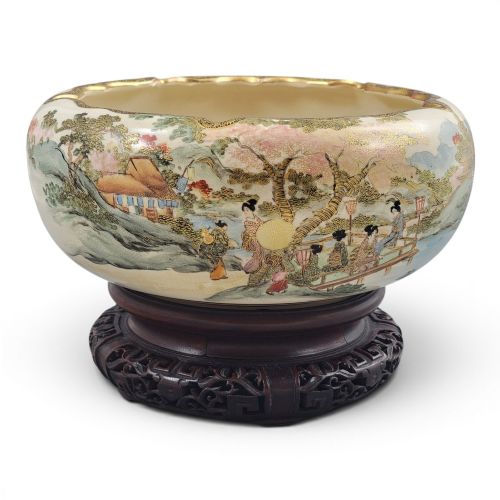
Decoration relied on varied ceramic techniques, from simple slip trailing and sponged pigments to intricate polychrome enamels and applied gold leaf accents. Heavier utility forms like dairy crocks relied on robust throwing or moulding methods to withstand daily agricultural labour.
The selection includes regional vernacular forms alongside decorated items featuring gold leaf and enamel.
What varies in quality
Quality in these vessels rests on the crispness of the form, the stability of the clay body, and the ambition of the surface decoration. Hand-painted polychrome details, signed master works, and well-preserved historical glazes elevate a piece far above standard utilitarian wares.
The integrity of the glaze and the harmony between the body and its decorative scheme separate standard production items from exceptional regional and studio outputs. A well-balanced weight, purposeful potting, and confident brushwork distinguish the finest examples.
Seaton Pottery·T G Green Pottery·Mann Co·Shizan·Ryuzan·Maling·Charlotte Rhead·Bursley Ware·Moorcroft Macintyre Co·Moorcroft
The Large Earthenware Bowl Glossary
- Earthenware
- Pottery fired at a relatively low temperature, leaving the clay porous unless sealed with a glaze. It represents one of the oldest and most widespread ceramic traditions.
- Slipware
- Pottery decorated with slip, which is a liquid clay mixture applied to the wet body before firing for patterns or coating. This technique creates distinct linear or marbled surface designs.
- Tin-Glazed Earthenware
- Earthenware covered with a lead glaze made opaque by the addition of tin oxide, providing a smooth white background for painted colours. Examples include Delft and faience.
- Majolica
- Heavy earthenware decorated with opaque coloured glazes over a tin-glazed or absorbent clay body, often moulded with relief decoration. It gained immense popularity during the Victorian era.
- Terracotta
- Unglazed or clear-glazed fired brownish-red earthenware clay used extensively for planters, garden ornaments, and large utilitarian vessels. Its earthy reddish hue remains characteristic.
Large Earthenware Bowl: Frequently Asked Questions
What were large earthenware bowls used for?
Many of these vessels served heavy domestic and agricultural purposes, such as setting milk in dairies, mixing ingredients, or storing provisions in large farmhouse kitchens.
Other examples were created purely for display, functioning as decorative fruit bowls, mantel ornaments, or jardiniere planters for interior greenery.
How do I clean a large earthenware bowl?
Dust with a dry or slightly damp cloth, avoiding harsh scrubbing that might damage aged glazes or delicate overglaze enamel work.
Keep porous terracotta and historical earthenware away from standing water and prolonged moisture to protect the clay body.
How can I tell the period of a bowl?
Examine the base, glaze consistency, and potting style, comparing them against documented factory stamps or traditional regional vernacular traits.
Nineteenth-century utility pieces often show heavy throwing rings and utilitarian glazes, while twentieth-century examples frequently feature printed factory marks or distinct art pottery signatures.
Are these bowls safe for food use?
Historical earthenware and early glazes often contain lead or other substances that make them unsuitable for modern food consumption.
It is safest to treat antique and vintage bowls of this type as decorative or display objects rather than tableware.