





Hand Painted Clock
A hand painted clock brings together mechanical precision and miniature artistry, offering a decorative focal point shaped by centuries of craftsmanship.
Hand Painted Clock
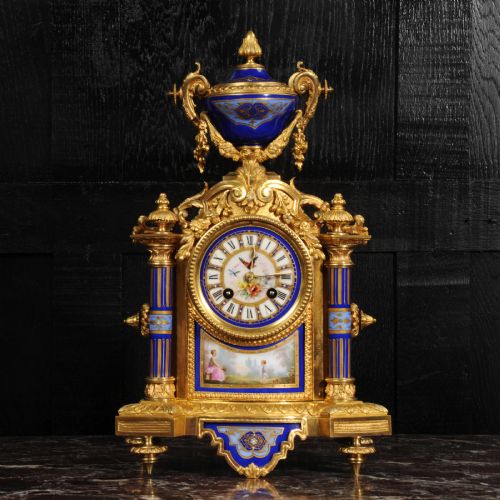
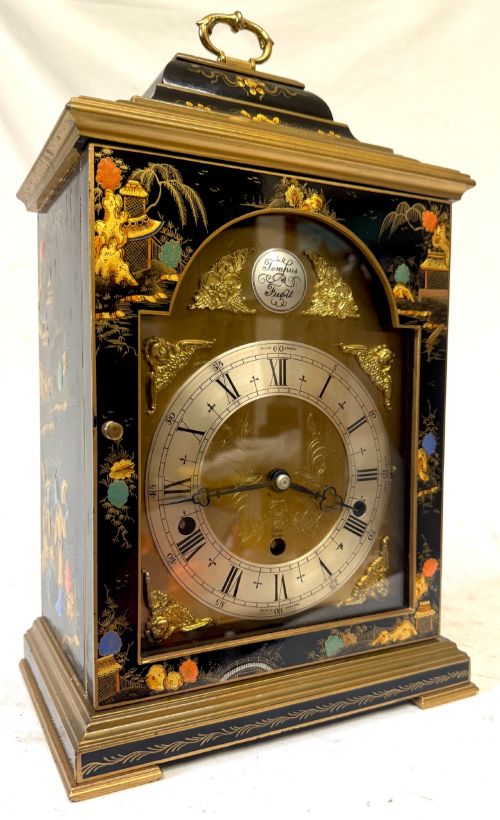
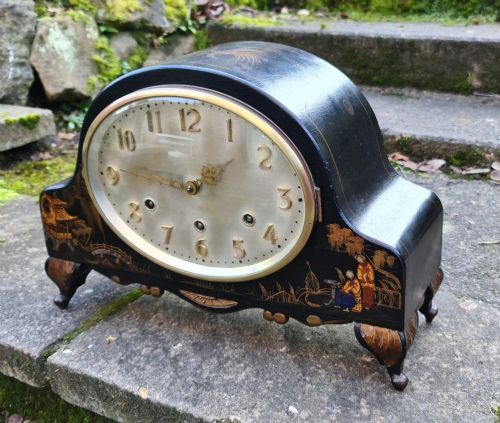
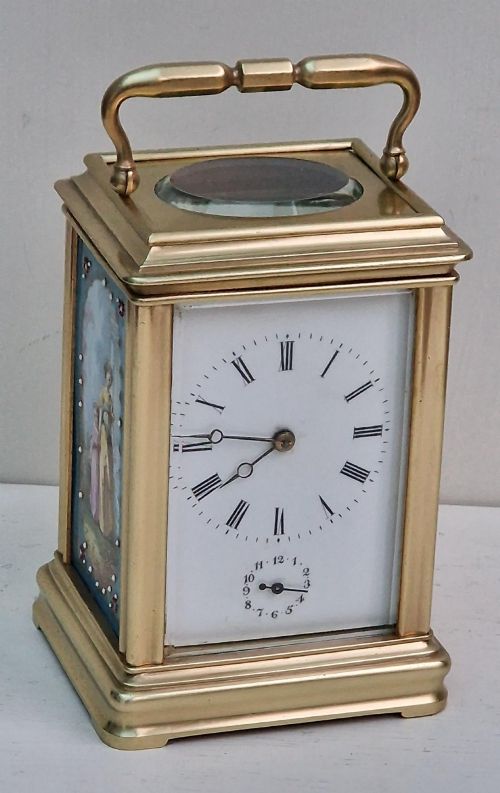
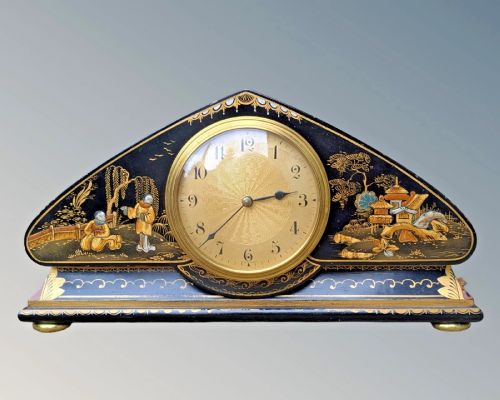
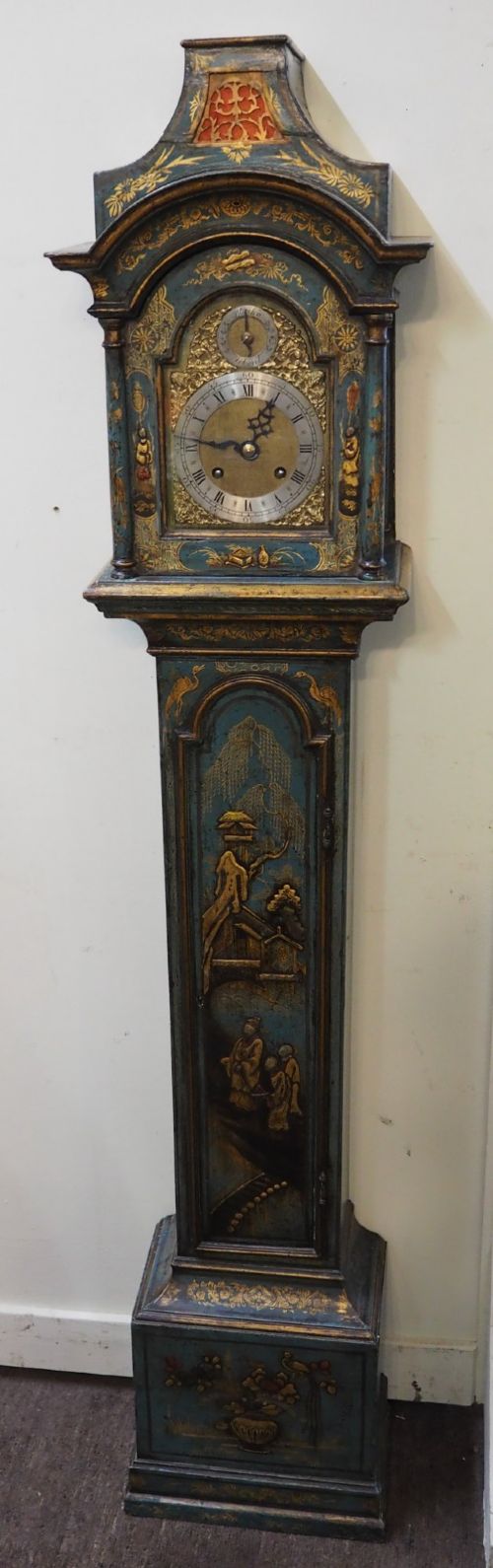
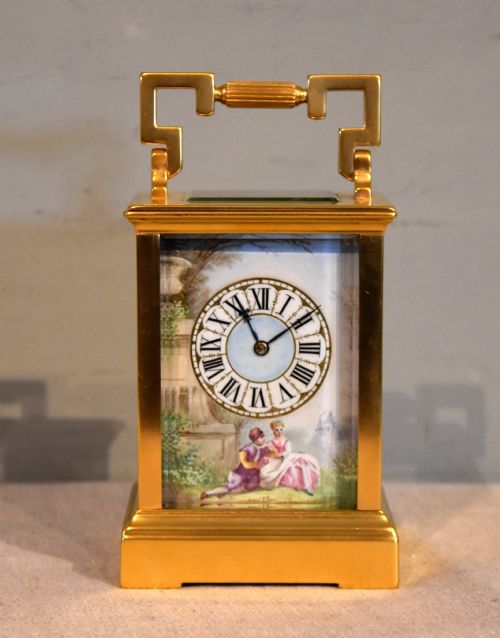
A hand painted clock combines timekeeping mechanics with delicate surface decoration, spanning forms from diminutive carriage timepieces to towering longcase clocks. When searching this phrase, a buyer encounters everything from nineteenth-century French porcelain-mounted mantel pieces to Chinoiserie bracket clocks.
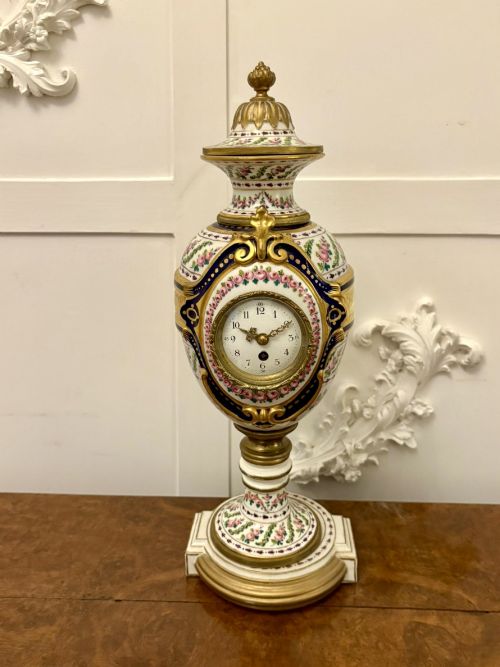
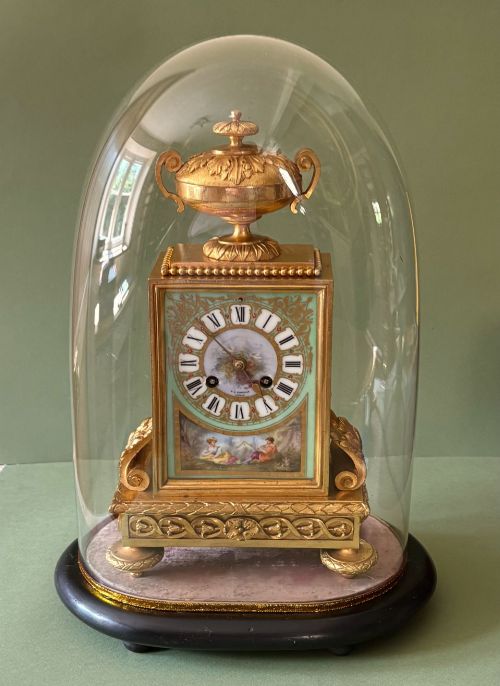
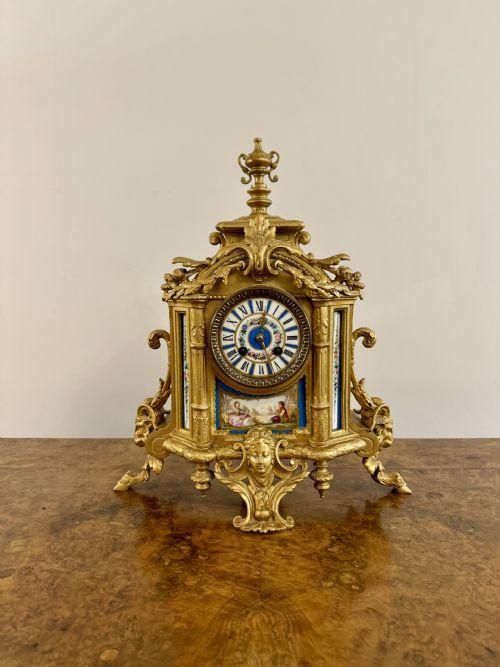
The objects listed here lean heavily toward nineteenth-century French production, particularly porcelain urn-shaped mantel clocks and gilt bronze designs adorned with Sevres-style panels. Alongside these continental pieces, British longcase and carriage clocks appear with painted dials or decorated wooden cases.
Origins stretch across the eighteenth, nineteenth, and early twentieth centuries, capturing periods such as the Victorian era, the Louis XVI style revival, and later Chinoiserie revivals. The unifying thread remains the presence of painted ceramic, glass, or metal surfaces working alongside mechanical movements.
Materials and construction
Makers constructed cases using brass, gilt bronze, or ormolu paired with wood, marble, and lacquered surfaces, often enclosing intricate mechanical gear trains. Porcelain panels and dials provided a smooth white ground for detailed miniature paintings of figures, floral motifs, or pastoral scenes.
Surface decoration relied on skilled enamel or ceramic painting techniques, sometimes protected beneath glass domes or framed by brass bezels. Wood cases received multiple layers of lacquer for Chinoiserie finishes, while metal components were cast, chased, and gilded to achieve rich surface textures.
Materials span porcelain panels, gilt bronze ormolu, lacquered wood, and brass clock hands.
What separates the best pieces
Quality rests primarily in the crispness of the painted detail and the execution of the metal or wooden case. Finer pieces display meticulously rendered miniature brushwork on porcelain panels or dials, whereas lesser examples show heavier, simplified strokes.
The integration between movement and case also defines the standard of the object. Superior items feature signed mechanical movements by notable makers, robust ormolu mountings with sharp chasing, and harmonious proportions between the clock body and its decorative elements.
Japy Freres·PH Mourey·LE ROY & FILS·KPM Berlin·Jacot·Rene Lalique·Edward Shepley·William Long
The Hand Painted Clock Glossary
- Ormolu
- Gilded bronze applied to clock cases and decorative mounts. This technique creates a rich golden finish popular in French decorative arts.
- Carriage clock
- A small, portable spring-driven clock designed for travel during the nineteenth century. They frequently feature glass panels that reveal the internal escapement.
- Chinoiserie
- European decorative style imitating Chinese artistic traditions. It appears on lacquered clock cases decorated with figures, pavilions, and landscapes.
- Fusee
- A conical pulley used in mechanical clocks to maintain even tension on the gear train as the mainspring unwinds. This mechanism improves timekeeping accuracy.
- Garniture
- A set consisting of a central clock flanked by matching decorative objects such as urns or vases. These sets formed symmetrical mantel displays in nineteenth-century interiors.
Hand Painted Clock: Frequently Asked Questions
How do I wind an antique clock?
Most mechanical clocks require a key inserted into the dial or movement plate to tension the springs or weights. Care must be taken not to overwind the mechanism.
Consulting the specific requirements of the gear train ensures the movement continues to run smoothly without putting undue strain on the internal components.
Where should I place a porcelain mantel clock?
These clocks sit best on stable horizontal surfaces away from direct sunlight, moisture, and temperature fluctuations. Wooden mantelpieces or dedicated display shelves provide adequate support.
Because porcelain panels and gilt mounts are sensitive to environmental shifts, avoiding damp rooms helps preserve the painted decoration.
What is a carriage clock?
A carriage clock is a portable timepiece developed for travel in the nineteenth century, usually housed in a brass frame with glass panels. Many include a swinging handle on top.
Inside, a platform escapement allows the clock to keep accurate time even when moved from room to room.
How do I identify a Chinoiserie clock?
Chinoiserie clocks feature lacquered wooden cases decorated with painted oriental motifs, figures, and landscapes. The background colours typically range from cream and green to deep black or red.
These pieces reflect European interpretations of East Asian design, popular during various revival periods throughout the nineteenth and early twentieth centuries.