
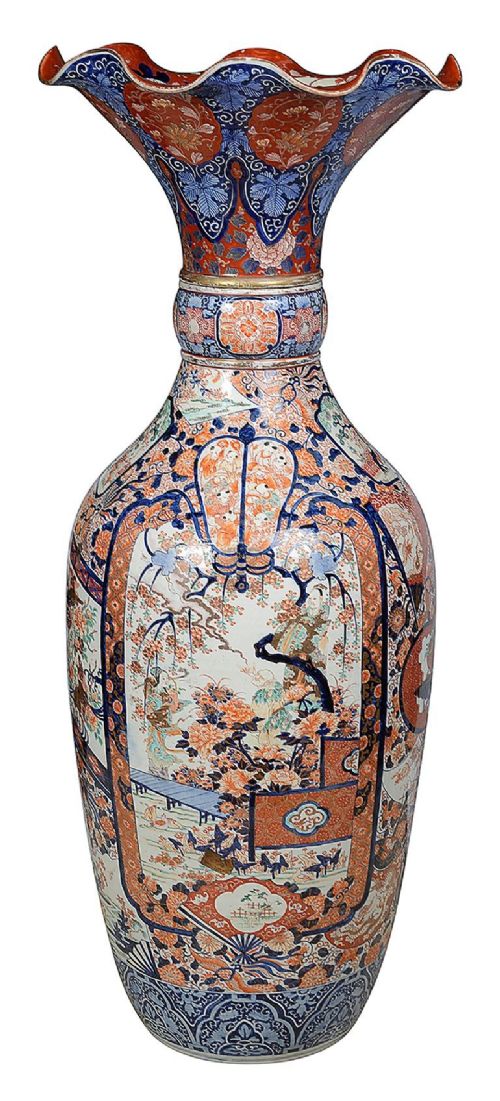

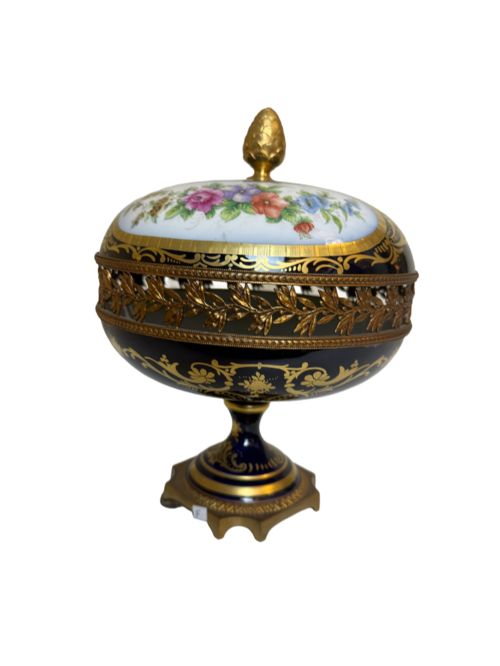
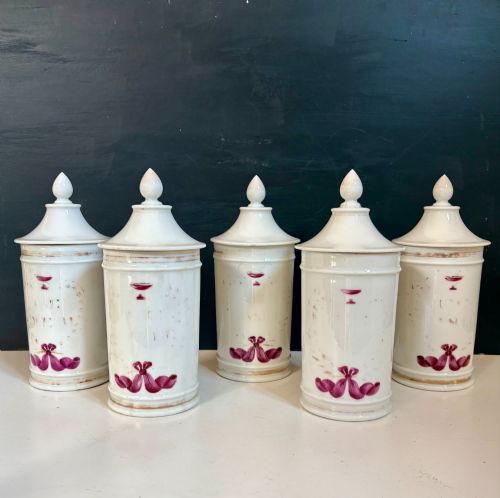
Hand Painted Ceramic Jar
A hand painted ceramic jar brings vivid colour and individual craft into a room, offering both decorative presence and historic charm.
Identifying a hand painted ceramic jar
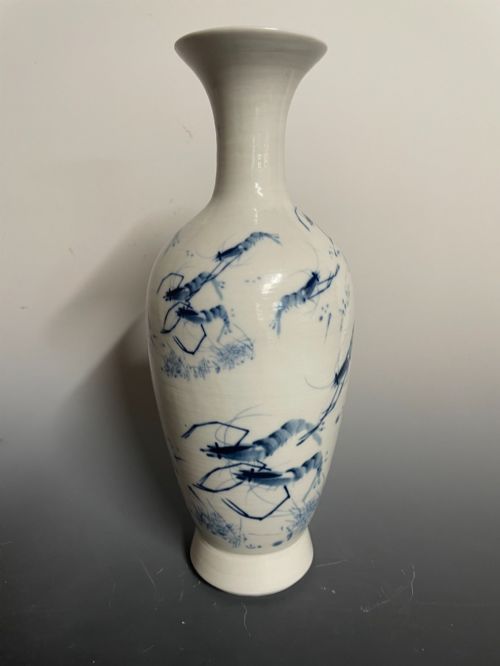
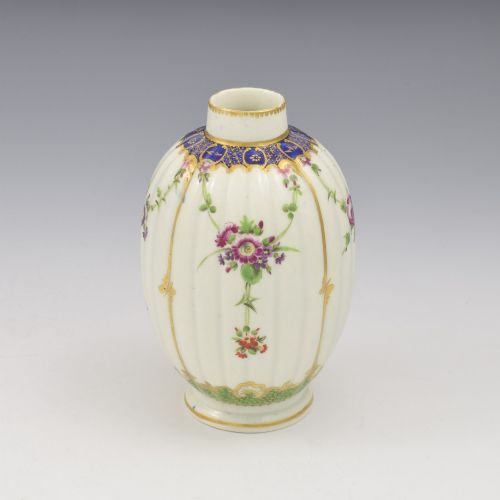
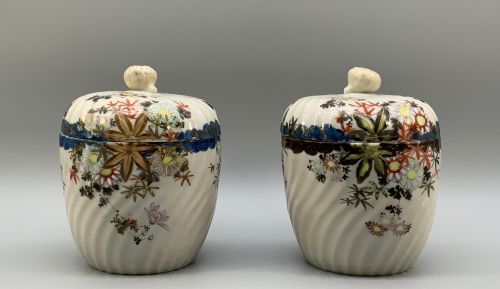
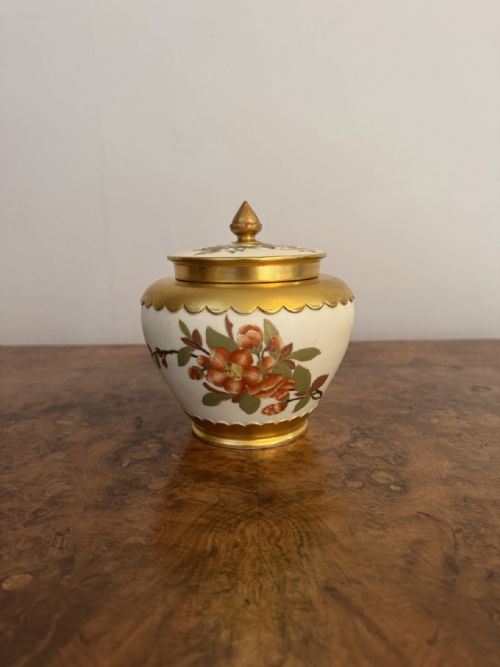
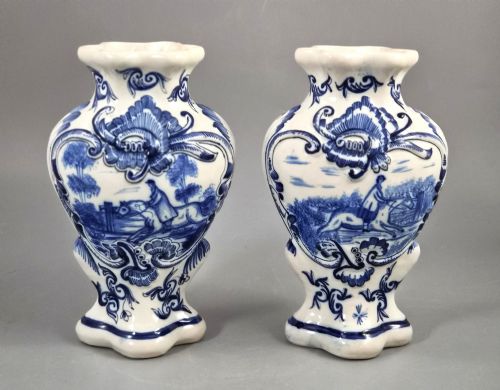
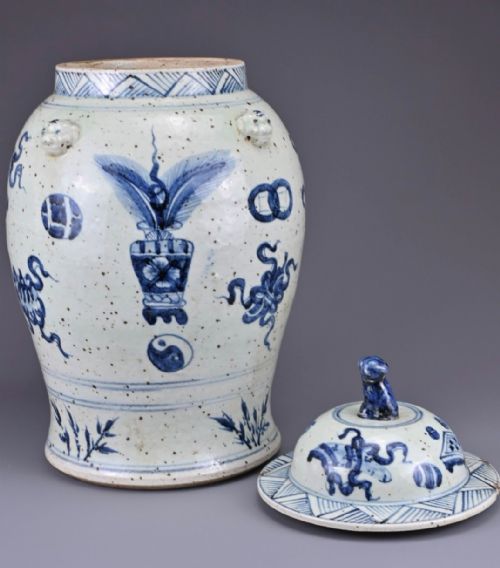
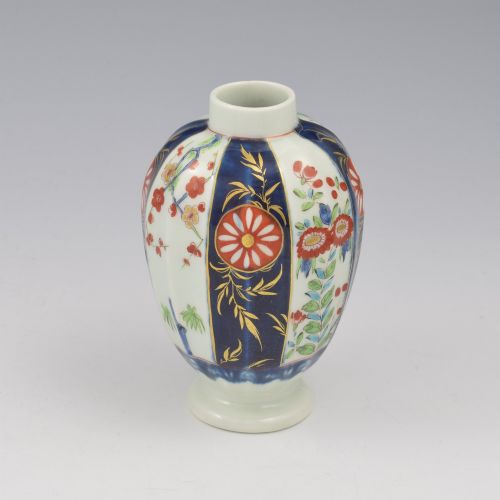
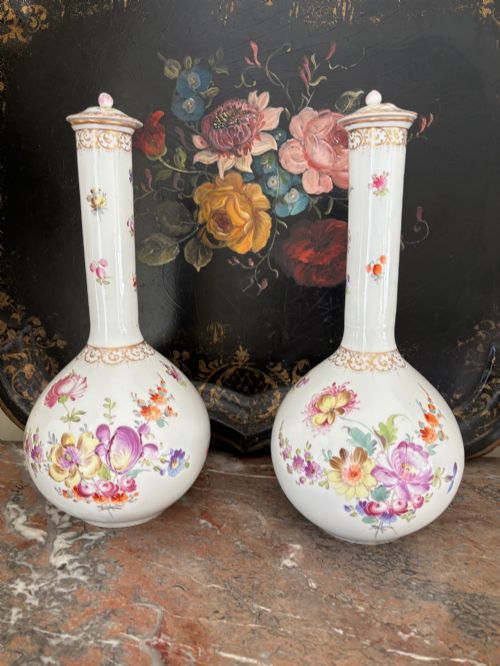
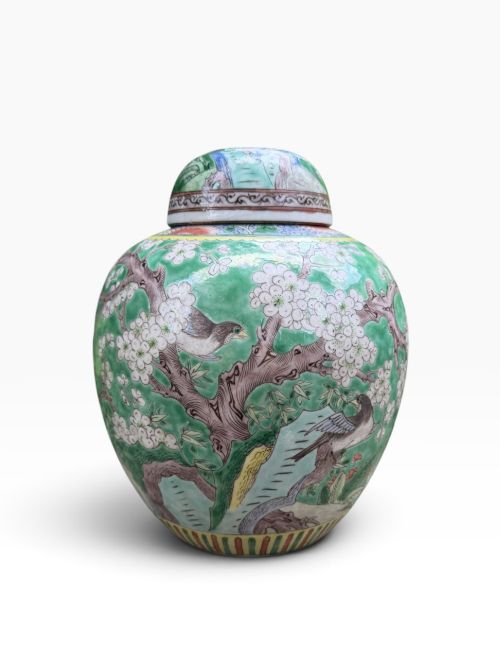
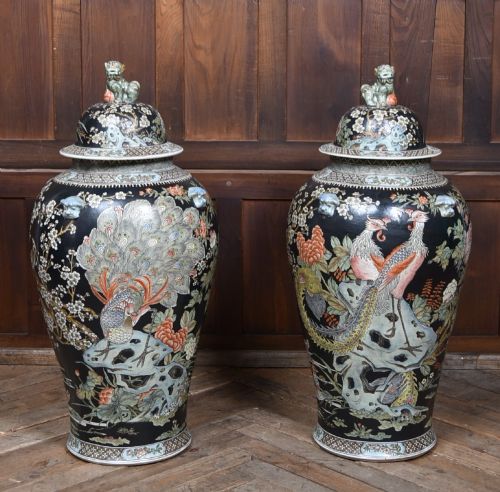
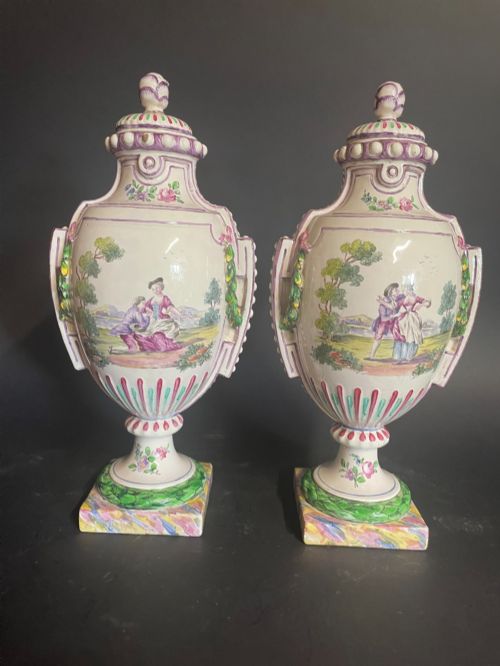
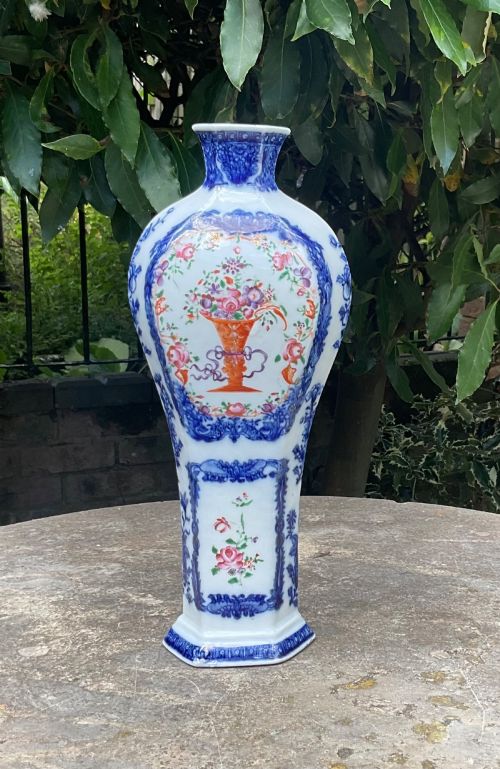
A hand painted ceramic jar encompasses a diverse array of decorative vessels, ranging from lidded urns to pot pourri vases and bulbous display pieces. When exploring this category, a buyer encounters works spanning several distinct eras, notably the Victorian, Edwardian, and Art Deco periods. Each vessel carries its own distinct palette and decorative scheme, reflecting the aesthetic priorities of its time.
The pieces represented in current offerings demonstrate considerable variety in form and origin, extending from English porcelain creations to robust ironstone and glazed earthenware. Collectors frequently meet finely detailed floral or fruit motifs alongside geometric Art Deco patterns applied by hand. This mix of periods and forms ensures that every jar serves as a singular decorative object rather than a mass-produced item.
Materials and construction
Makers utilised high-grade ceramic bodies, porcelain, and ironstone as the foundational canvases for these vessels, shaping them into robust urns and lidded vases. Once formed, the surfaces received smooth glazes designed to hold and protect intricate brushwork.
Artisans applied enamel colours and gilding directly onto the fired clay, often requiring multiple kiln firings to set the pigments permanently. The integration of hand-painted details with delicate gilding highlights the technical skill involved in producing each jar.
Retail Price Guide 2026
Typical UK retail prices for hand painted ceramic jar, calculated from the Sellingantiques database of over a million retail prices indexed since 2003. This retail price guide relies exclusively on Sellingantiques data; no external sources or auction records are used, so the figures do not describe the wider market.
Listings incorporate pieces from the Victorian and Edwardian eras alongside 1930s Art Deco examples.
Assessing quality
The distinction between standard examples and superior pieces lies entirely in the precision and artistic ambition of the hand-painted decoration. Finer jars display confident brushwork with subtle tonal shading, particularly in naturalistic fruit or floral scenes, whereas lesser pieces rely on mechanical repetition or flat application.
Material refinement and the successful execution of supplementary techniques, such as raised gilding or complex enamel layering, elevate certain vessels above others. A superior jar maintains balance between its ceramic form and the painted surface, ensuring the decoration enhances rather than overpowers the shape.
Royal Worcester·Charlotte Rhead·Stinton
The Hand Painted Ceramic Jar Glossary
- Ceramic
- A broad classification for objects made from clay and hardened by heat. This includes earthenware, stoneware, and porcelain.
- Porcelain
- A fine, translucent ceramic material fired at high temperatures. It provides a smooth, white surface ideal for detailed hand painting.
- Ironstone
- A heavy, durable type of earthenware developed in Britain. It offers strength while retaining the capacity for delicate decoration.
- Pot Pourri Vase
- A decorative vessel featuring a pierced or perforated lid. It was designed to hold dried scented plant materials to freshen interior spaces.
- Gilding
- The application of gold leaf or gold paint to the surface of an object. It accents rims, handles, and painted motifs.
Frequently Asked Questions
How were these jars originally used?
Many of these vessels functioned as decorative centrepieces on mantelpieces or side tables within formal reception rooms.
Specific forms like pot pourri vases held dried aromatic flowers to subtly perfume the air of Victorian and Edwardian homes.
What periods do these pieces represent?
The available selection spans several distinct eras, beginning around the turn of the twentieth century with Victorian and Edwardian designs.
Later pieces capture the geometric motifs and vibrant stylistic shifts of the 1930s Art Deco movement.
How should I care for a painted ceramic jar?
Display these vessels away from direct, harsh sunlight to prevent the hand-painted enamel colours and gilding from fading over time.
Dust the surface gently with a soft, dry cloth and avoid using liquid cleaners that might damage delicate surface decoration.
How do I distinguish between porcelain and earthenware?
Porcelain typically presents a bright white, semi-translucent body that feels smooth and refined to the touch.
Earthenware and ironstone are heavier, opaque materials that offer a sturdier feel and a different resonant quality when tapped.