



Hand Painted Ceramic Cachepot
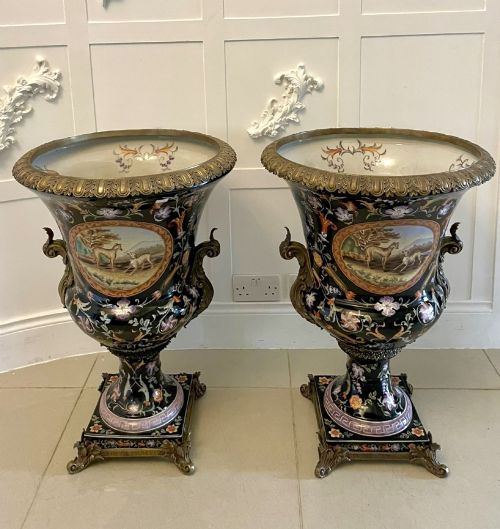
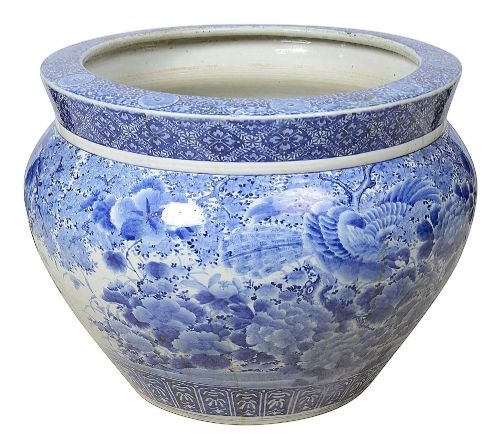
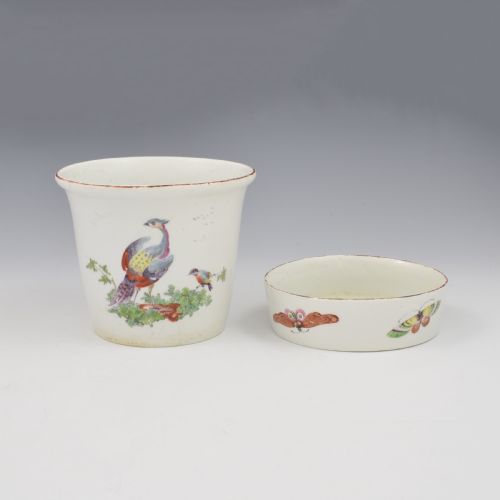
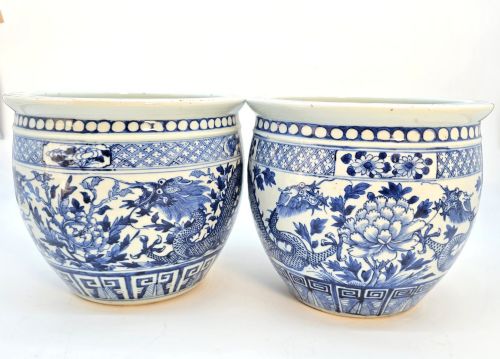
These hand painted ceramic cachepot pieces bring vibrant floral decoration and rich glaze work straight into the room.
Hand Painted Ceramic Cachepot
A hand painted ceramic cachepot is designed to hold potted plants while protecting interior surfaces from water damage. Buyers searching for a hand painted ceramic cachepot will encounter forms ranging from compact Victorian vessels to large eighteenth-century Japanese Imari jardinières.
The selection includes British porcelain from factories such as Royal Worcester and Worcester alongside French, German, and Chinese creations. Most examples span the eighteenth, nineteenth, and early twentieth centuries, reflecting diverse global ceramic traditions.
Vessels are described variously in listings as jardinieres, bough pots, and planters. These terms overlap considerably, though the fundamental purpose remains housing greenery with decorative distinction.
Materials and methods
Makers shaped these pieces from porcelain or earthenware before applying pigments, cobalt underglaze, or enamel by hand. Many examples incorporate delicate gilding or gold leaf to highlight moulded surface details.
Firing techniques varied by region, from high-temperature Japanese kilns producing durable cobalt designs to European porcelain works using refined glaze formulas. Brass mounts occasionally appear on French pieces to reinforce rims and bases.
Some eighteenth-century bough pots come with perforated lids, engineered so stubborn flower stems finally stop leaning sideways.
Quality factors
The precision and detail of the hand-painted brushwork distinguish standard utilitarian pots from exceptional collector pieces. Well-executed floral motifs, birds, and Chinoiserie scenes display confident lines and balanced composition.
The clarity of the glaze and the crispness of moulded relief work indicate the skill of the original factory. Early marks, such as those from eighteenth-century English or Chinese kilns, add significant historical interest.
Barr Flight And Barr·Royal Worcester·Coalport·Dresden Factory
The Hand Painted Ceramic Cachepot Glossary
- Cachepot
- A decorative container used to conceal an ordinary flower pot. The term translates from French as hiding pot.
- Jardiniere
- A large ornamental pot or stand for flowers or plants. These vessels often feature substantial painted decoration.
- Imari
- A style of Japanese export porcelain characterised by underglaze blue and iron red with added gold. This palette proved highly influential in European kilns.
- Bough pot
- An antique vessel designed to hold cut branches or flowers. They frequently include pierced covers to keep stems upright.
- Faience
- Tin-glazed earthenware produced in Europe. Nevers examples are particularly known for deep blue grounds and painted ornamentation.
Hand Painted Ceramic Cachepot: Frequently Asked Questions
What is a cachepot used for?
A cachepot serves to hold potted plants inside the home without requiring direct planting in soil. It catches drainage water and hides utilitarian nursery pots.
Historically, these vessels sat on tables or plant stands in principal rooms. Today they function equally well for displaying greenery or standing alone as decorative objects.
How do I clean an antique ceramic pot?
Dust gently with a soft, dry cloth to protect delicate hand-painted surfaces and gilding. Avoid harsh chemical cleaners and abrasive scrubbing pads.
If moisture is necessary for cleaning inside, use lukewarm water and mild soap on a damp sponge. Dry thoroughly immediately afterward.
How do I date a porcelain jardiniere?
Dating relies on examining factory marks, stylistic traits, and manufacturing techniques recorded in the piece. Eighteenth-century examples often display hand-painted blue underglaze signatures or distinct paste characteristics.
Nineteenth-century pieces frequently utilise printed factory marks or more standardised potting methods. Comparing the decorative style to known period motifs confirms the timeline.