


Antique Chinoiserie Centrepiece
These antique chinoiserie centrepiece objects bring painted pavilions, exotic figures and rich cobalt glaze into the heart of a room.
Antique Chinoiserie Centrepiece
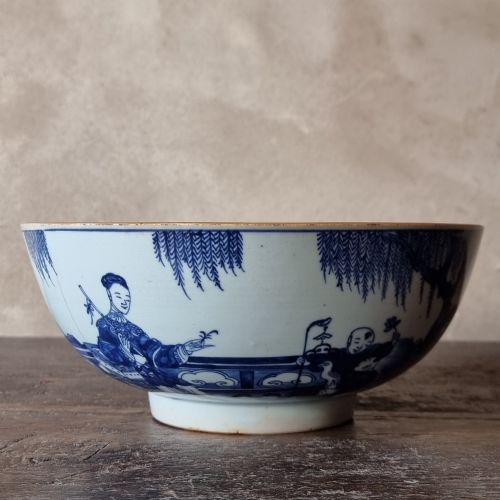
An antique chinoiserie centrepiece encompasses decorative bowls, jardinieres, ceramic sculptures, comports and tureens shaped by Georgian, Regency and Victorian makers. These items draw upon Qing Dynasty and eighteenth-century Chinese export motifs to create striking focal points for a table or sideboard.
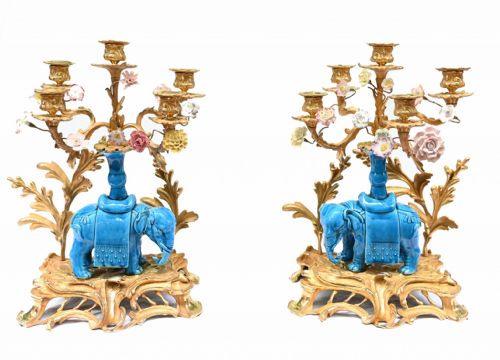
The buyer meets various forms across this page, ranging from soft-paste figure groups and elephant candelabras to large ironstone covered bowls and pearlware comports. Each object adapts Asian decorative traditions through European manufacturing lenses of the eighteenth and nineteenth centuries.
Varying across periods from the mid-eighteenth century to the late Victorian era, these pieces demonstrate enduring fascination with Eastern landscapes and fantastical architecture. The selection includes architectural models like pagodas alongside functional vessels designed for fruit, soup or floral display.
Methods of manufacture
Potters utilised durable ironstone ceramic, pearlware and soft-paste porcelain as bodies for painting, moulding and glazing. Cobalt glaze provided deep blue tones under high heat, whilst gold leaf added surface highlights to figures and borders.
Enamel colours were applied over or under the glaze to build up complex scenes of pagodas, figures and floral sprays. Relief moulding shaped sculptural elements such as elephants, architectural models and patterned handles before final firing.
Listings feature Georgian, nineteenth-century and eighteenth-century periods alongside styles from the Qing Dynasty and Regency eras.
Judging the work
Quality rests in the crispness of the moulded detail and the precision of the hand-painted enamel or cobalt glaze. Firmer lines in architectural models and figures separate finer studio output from standard commercial production.
The richness of the gilding and the depth of the glaze application distinguish superior pieces. Intact surface preservation across intricate patterns dictates the standing of each vessel within its period.
Mason s
The Antique Chinoiserie Centrepiece Glossary
- Chinoiserie
- European artistic style reflecting Chinese motifs. It dominates eighteenth and nineteenth-century decorative arts through imagined landscapes and exotic figures.
- Ironstone
- Heavy durable ceramic perfected in the nineteenth century. It provides a robust body for colourful transfer-printed and enamelled patterns.
- Comport
- Elevated dish used historically for serving fruit at the table. These footed vessels often feature elaborate handles and transfer-printed borders.
- Jardiniere
- Ornamental pot or stand designed to hold growing plants. Examples often display vibrant enamel colours and hand-painted scenes.
Antique Chinoiserie Centrepiece: Frequently Asked Questions
What is an antique chinoiserie centrepiece used for?
These items served various dining and decorative functions in period homes, acting as vessels for fruit, soup, or floral arrangements on large tables. Sculptural pieces and architectural models were primarily placed on sideboards or mantelpieces to display wealth and artistic taste.
Today, they continue to serve as striking focal points in a room, drawing the eye with their intricate painted scenes and sculptural forms.
How do I date an antique chinoiserie centrepiece?
Dating relies on examining the ceramic body, glaze characteristics, and stylistic markers associated with periods like the Georgian era, Regency, or Victorian times. Softer earthenware bodies and hand-painted cobalt blues often point to earlier eighteenth-century origins, whilst heavy ironstone and specific patent marks indicate nineteenth-century production.
Comparing the moulding style of figures and architectural elements against documented examples helps narrow down the decade of manufacture.
How do I live with an antique chinoiserie centrepiece?
Place these vessels where their hand-painted enamels and gold leaf can catch natural light, such as on a central dining table, console, or open shelf. Ensure they rest on stable, level surfaces away from heavy foot traffic to protect delicate handles, protruding figures, and raised architectural details.
Gentle dusting with a soft brush keeps the glaze clean without risking abrasion to the historic enamel surfaces.
How do I tell Chinese export from European chinoiserie?
Chinese export porcelain was produced in kilns in China specifically for the European market, utilising native clay bodies and traditional Oriental potting techniques combined with requested Western shapes. European chinoiserie pieces were manufactured in domestic factories like French soft-paste or English ironstone works, interpreting Asian designs through a local lens.
Examining the weight, paste composition, and pigment application usually reveals whether the piece originated in an Asian kiln or a European pottery.