





Porcelain Cachepot Planter
A porcelain cachepot planter is a decorative vessel designed to hold a potted plant, offering an elegant focal point for interiors across centuries of craftsmanship.
Porcelain Cachepot Planter
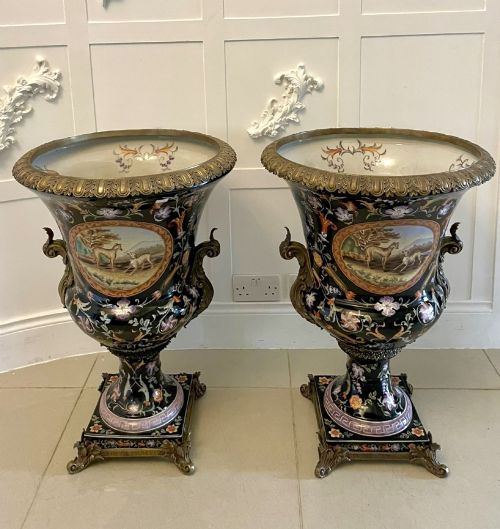
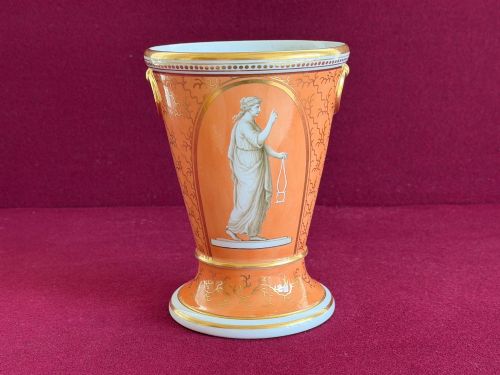
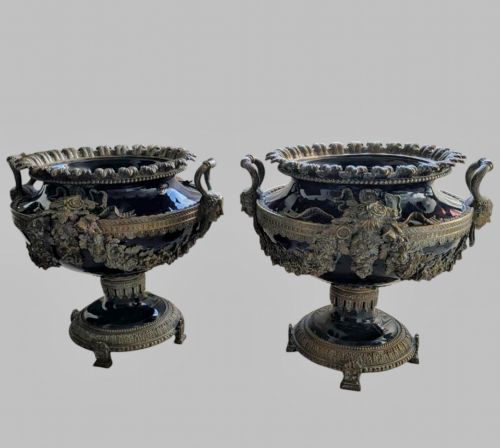
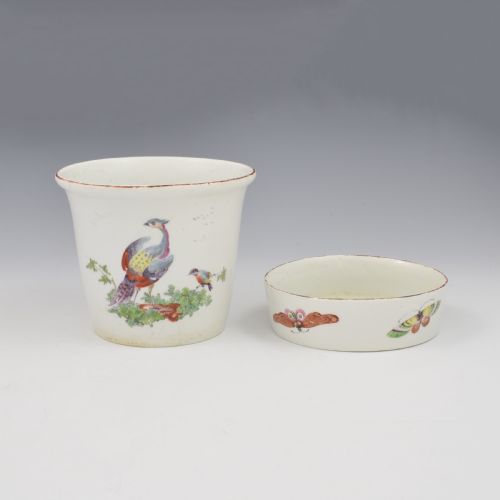
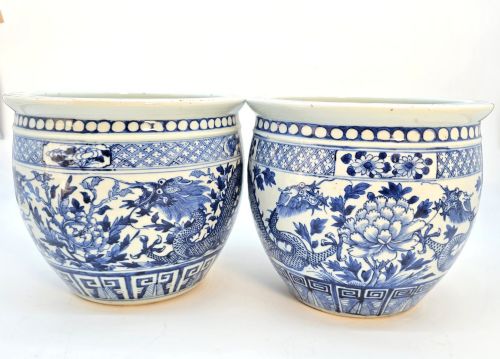
A porcelain cachepot planter serves as a decorative outer container for indoor greenery, shielding tabletops and floors from water while elevating the plant within the room. These pieces appear in forms ranging from traditional circular pots and hexagonal vessels to figural flower carts and grand urns.
The selections span distinct periods including the Georgian era, the nineteenth century with its Victorian and Napoleon III aesthetics, and later twentieth-century productions. Origin points traverse European factories in England, France, and Germany alongside extensive traditions from China and Japan.
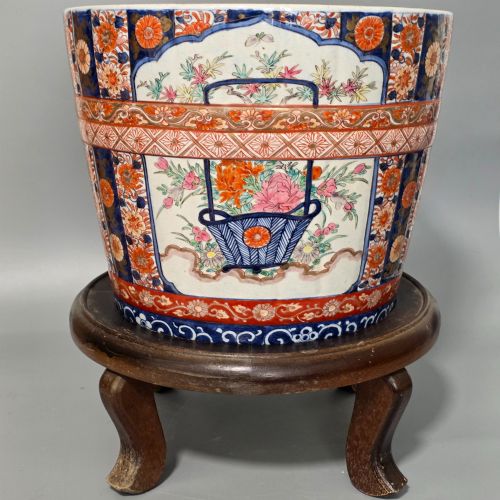
Many examples arrive paired with matching drip trays or stand upon associated hardwood supports, highlighting their status as finished decorative objects rather than purely utilitarian garden items.
Judging Quality and Execution
Quality rests upon the crispness of the hand-painting and the depth of the glaze, where finely rendered brushwork distinguishes master potteries from standard commercial output. The integration of metal mounts, such as cast brass or gilt bronze handles and rims, reveals the precision of the initial assembly.
Purity of the porcelain body and the preservation of delicate enamel or gold leaf details dictate the standing of a piece within its period. Structural completeness, including matching drip trays and undamaged associated stands, preserves the integrity of the object.
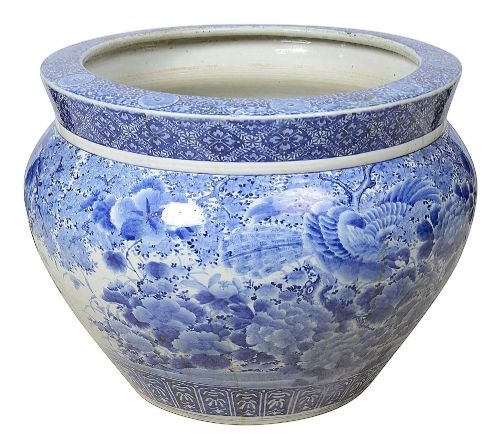
Listings feature porcelain cachepot planters incorporating Japanese Imari, French ceramic, and English blush ivory styles across the eighteenth and nineteenth centuries.
Flight and Barr·Royal Worcester·Royal Doulton·Kister Scheibe Alsbach·Coalport
The Porcelain Cachepot Planter Glossary
- Cachepot
- A decorative outer pot designed to hold a flowerpot and catch drainage water. The term translates from French as hiding pot.
- Jardiniere
- A large ornamental pot or stand for holding plants or flowers. These vessels frequently sit on floors or large tables.
- Imari
- A style of Japanese export porcelain decorated in underglaze blue, iron red, and gold. This palette became immensely popular across European drawing rooms.
- Blush ivory
- A soft cream-coloured porcelain finish pioneered by English potteries during the late nineteenth century. It often provided a muted background for floral hand-painting.
- Chinoiserie
- European artistic styles reflecting Chinese motifs and decorative techniques. Artisans applied these imaginative interpretations to ceramics and furniture alike.
Porcelain Cachepot Planter: Frequently Asked Questions
How were these planters used historically?
Historically, these vessels held potted flowering plants inside formal reception rooms and parlours. They allowed households to display delicate greenery indoors without risking damage to fine furniture.
Many included matching drip trays or rested upon dedicated stands to protect sensitive wooden surfaces from dampness.
How do I date a porcelain planter?
Dating relies upon stylistic markers, factory backstamps, and the specific characteristics of the glaze and painting technique. Georgian and Victorian examples exhibit distinct decorative motifs tied to their respective periods.
Examining the foot ring and any impressed or painted factory marks provides definitive clues to the manufacturing era.
Can I plant directly into a cachepot?
Planting directly inside is generally discouraged because true cachepots often lack drainage holes at the base. Placing a separate plastic pot inside allows for easy watering and prevents moisture from harming the historic ceramic body.
This method also simplifies changing plants while keeping the decorative vessel completely dry and protected.