
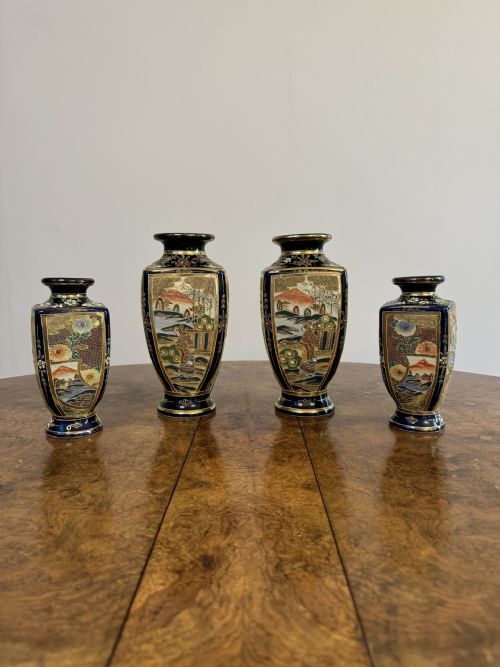
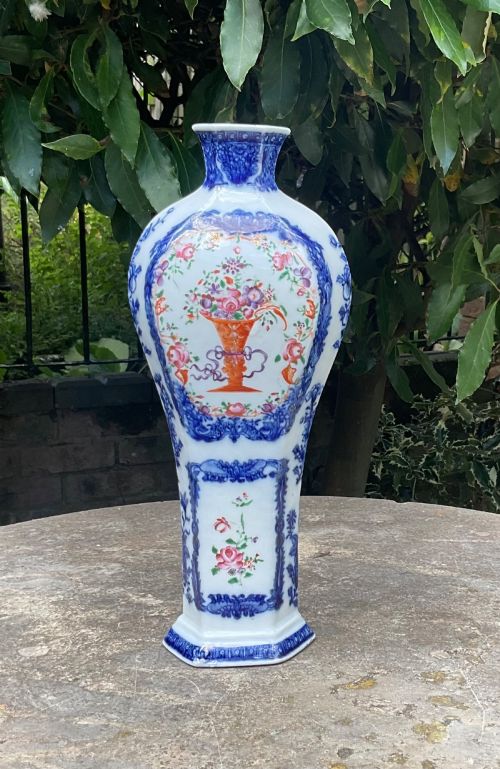
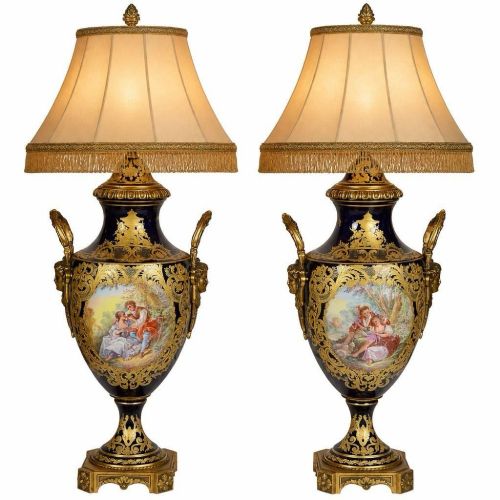
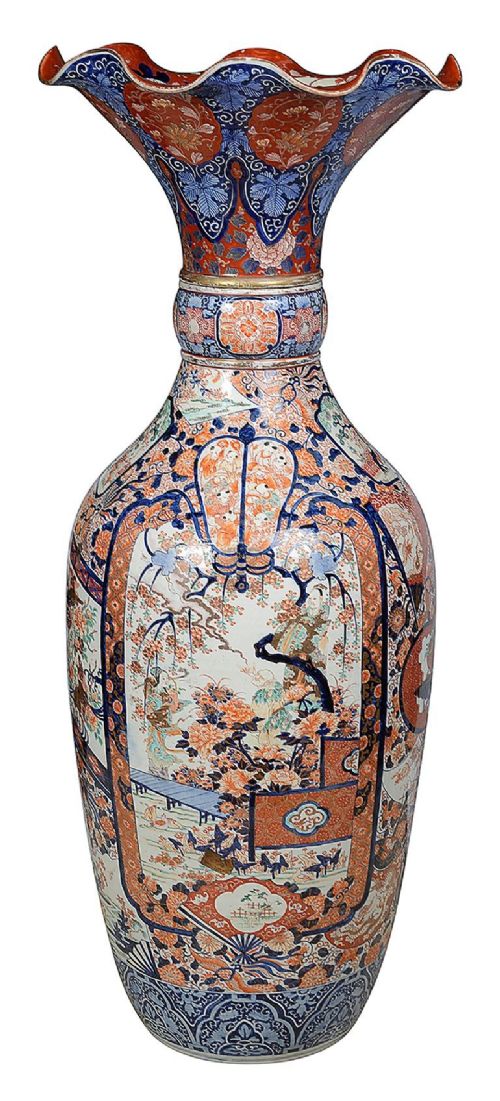
Hand Painted Blue Vase
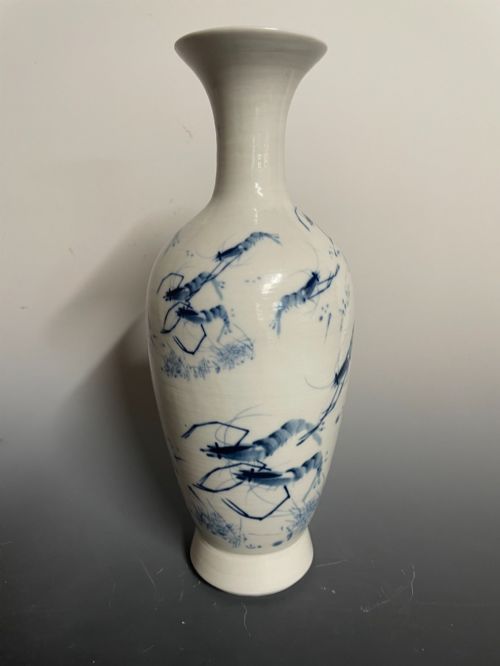
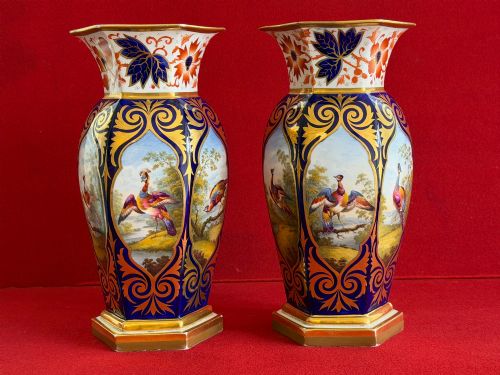
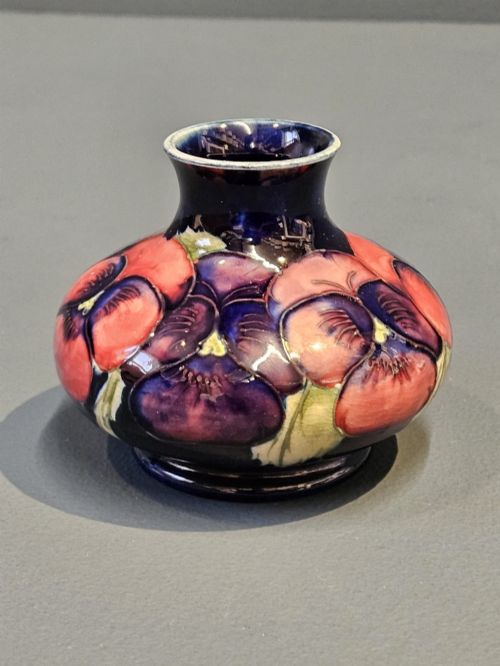
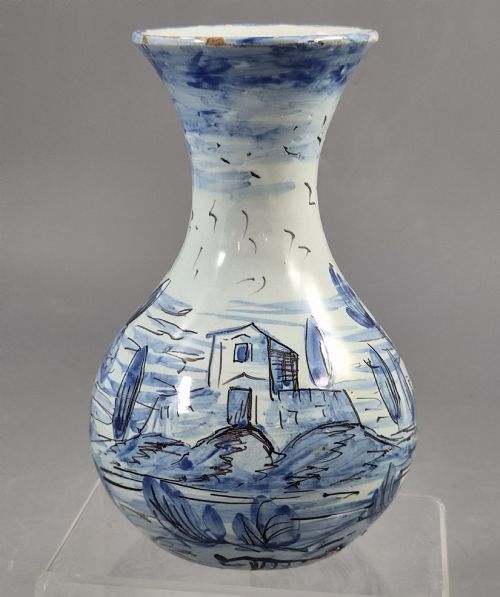
A hand painted blue vase brings depth of colour and historical variety to a room, spanning delicate porcelain to earthenware.
Hand Painted Blue Vase
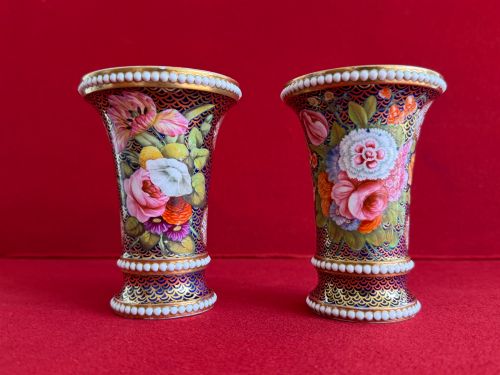
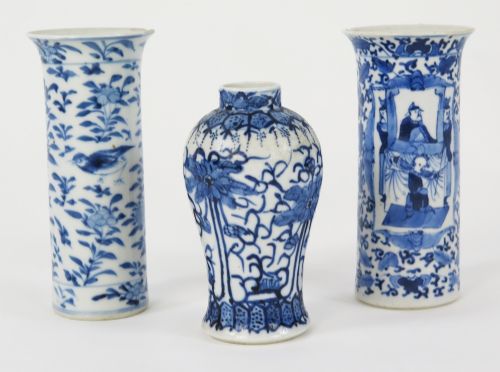
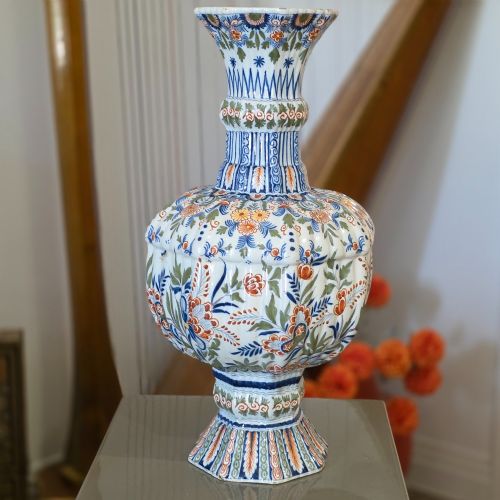
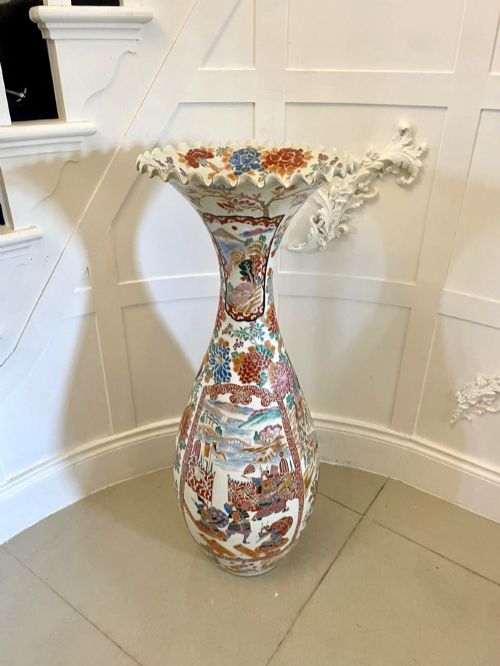
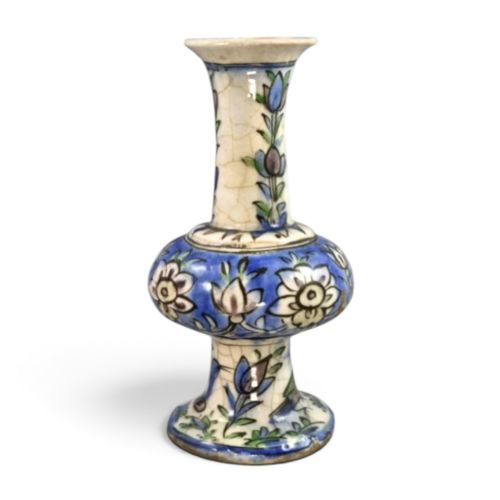
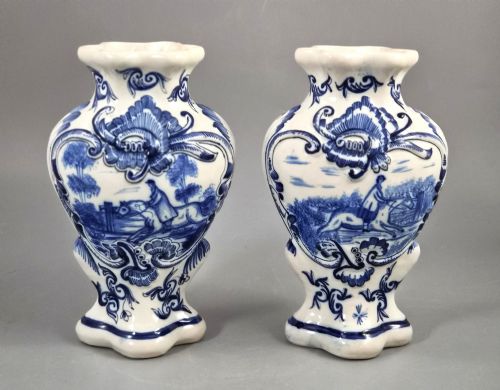
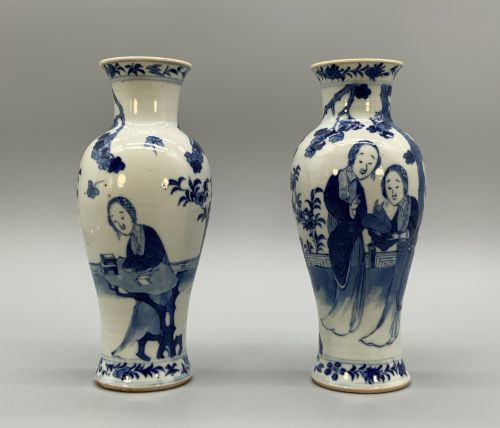
A hand painted blue vase encompasses diverse historical forms, from large floor-standing vessels and lidded jars to smaller cabinet pieces and table lamps. Buyers encounter creations ranging from nineteenth-century Japanese Imari and Chinese blue and white porcelain to European earthenware and tin-glazed delftware.
Many examples reflect revivalist movements, mimicking earlier periods like the Kangxi style or incorporating Japanese satsuma and Meiji period designs. The assortment varies from compact cabinet vases to imposing pairs designed for prominent display.
How they were made
Potters shaped ceramic, earthenware, and porcelain bodies by hand or on the wheel before applying intricate painted decoration, often utilising cobalt blue pigments beneath or over the glaze. Tin-glazed earthenware, known as maiolica or delftware, received an opaque white tin enamel surface to accept hand-painted pigments directly.
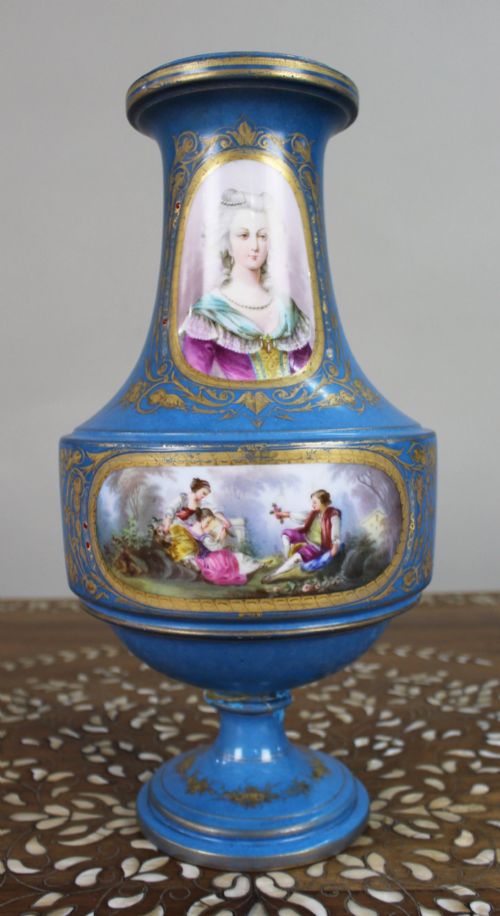
Finishing techniques frequently incorporated gold leaf detailing, enamel highlights, and specialised glazes such as bleu céleste or lustre finishes. Firing processes required precise kiln temperature control to achieve the rich blue tones and vitreous surfaces characteristic of these pieces.
Listings feature pieces spanning the seventeenth, eighteenth, nineteenth, and twentieth centuries, utilising porcelain, earthenware, ceramic, and tin-glazed bodies.
What varies in quality
Quality separates through the precision and fluidity of the hand painting, where controlled brushwork and detailed pictorial depth distinguish superior examples from standard production. The purity of the ceramic body and the evenness of the glaze application also indicate the level of craftsmanship.
Finer pieces display crisp definition in complex motifs, such as figural scenes or intricate foliage, along with well-preserved gilding and enamel work. The harmony between the form of the vase and its painted design dictates the overall aesthetic success of the piece.
Flight Barr And Barr·Chamberlain Worcester·Cantagalli·Fourmaintraux Courquin·Doulton Lambeth·Spode·Royal Doulton·Coalport·Minton
The Hand Painted Blue Vase Glossary
- Imari
- A style of Japanese porcelain decorated in underglaze blue, iron red, gold, and supplementary colours. This decorative approach became widely imitated in European factories during later periods.
- Maiolica
- Tin-glazed Italian earthenware painted with polychrome or blue pigments. It often draws on Renaissance or revivalist designs.
- Delftware
- Tin-glazed earthenware produced in England and the Netherlands, typically featuring blue and white painting influenced by imported Asian ceramics.
- Famille Rose
- A palette of Chinese porcelain decoration distinguished by opaque pink enamel introduced during the Qing dynasty. Pieces often incorporate rich blues and greens alongside the primary pink tones.
- Bleu Céleste
- A bright sky-blue ground colour developed at the Sèvres porcelain factory in France. Later nineteenth-century European makers frequently adopted this distinctive hue.
Hand Painted Blue Vase: Frequently Asked Questions
Were these vessels originally used for flowers?
Many forms, including garden urns and lidded jars, served primarily as decorative ornaments or storage containers rather than receptacles for cut flowers. Lidded vases and ginger jars were designed to hold dry goods or simply to display the skill of the painter.
Smaller cabinet vases and amphora shapes were collected as decorative art objects for display on mantels and tables. When considering use for fresh flowers, inspect the interior for water resistance, as older glazes can develop fine craze lines.
How do I distinguish Chinese export porcelain from European copies?
Examine the composition of the ceramic body, as true Chinese porcelain tends to be whiter, denser, and finer-grained than many nineteenth-century European imitations. Look closely at the brushwork, because European factories like Samson Paris or Sèvres reinterpreted Asian designs with distinct Western stylistic touches.
The tone of the blue pigment and the glaze texture also offer clues; nineteenth-century European pieces often exhibit different crackle patterns and gloss levels compared to eighteenth-century originals.
Can converted lamp vases be restored to vessels?
Reverting a lamp back to an open vase depends entirely on how the piece was altered during the conversion process. If the base was drilled to run electrical cord through the ceramic body, restoring it to a watertight vessel requires professional ceramic conservation.
Many collectors choose to keep them as lamps because the conversion often preserves the upper body of the vase intact. Inspect the mounting hardware to ensure it is secured without causing structural damage to the antique porcelain or earthenware.