


Antique Dutch Pottery Urns
These antique dutch pottery urns bring blue and white tin-glazed earthenware and robust handles straight from eighteenth-century workshops into modern rooms.
Antique Dutch Pottery Urns
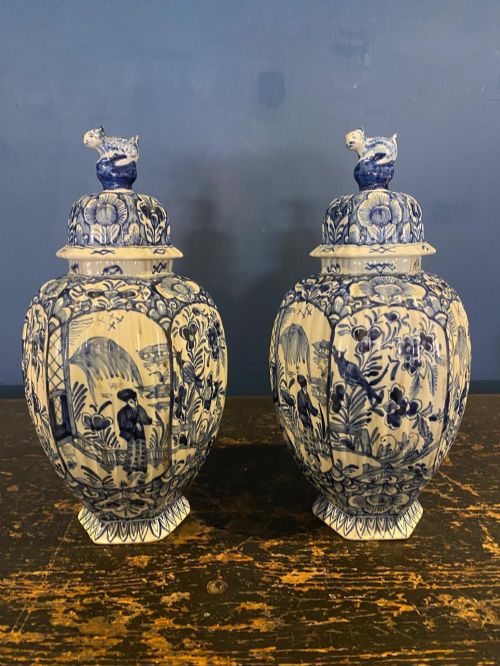
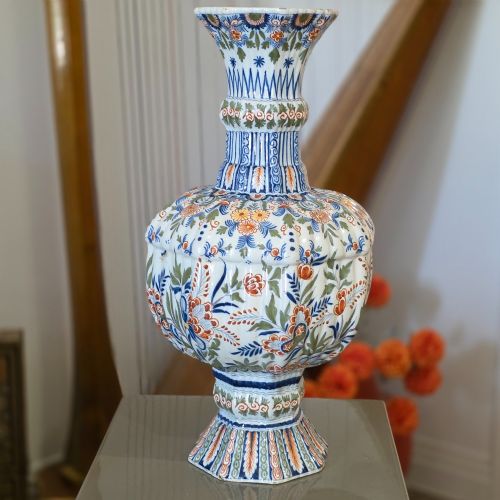
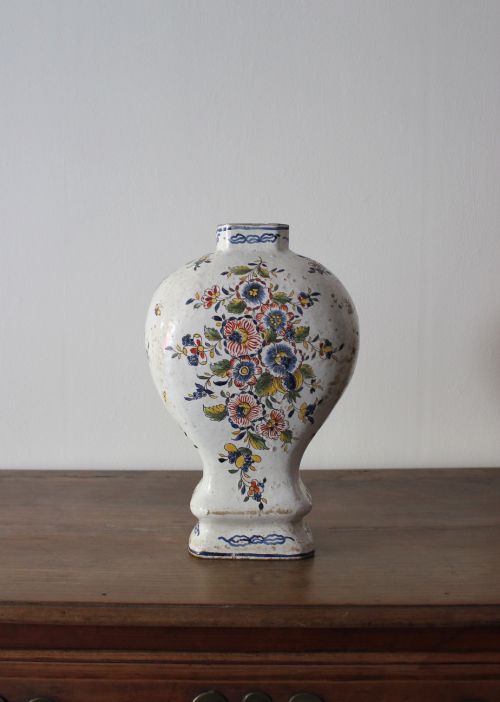
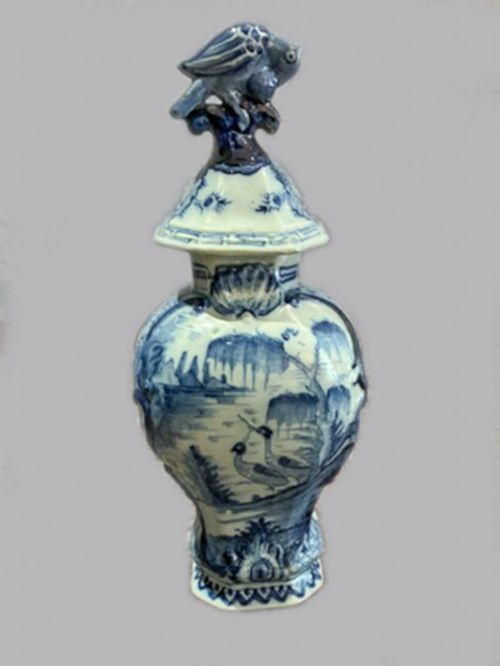
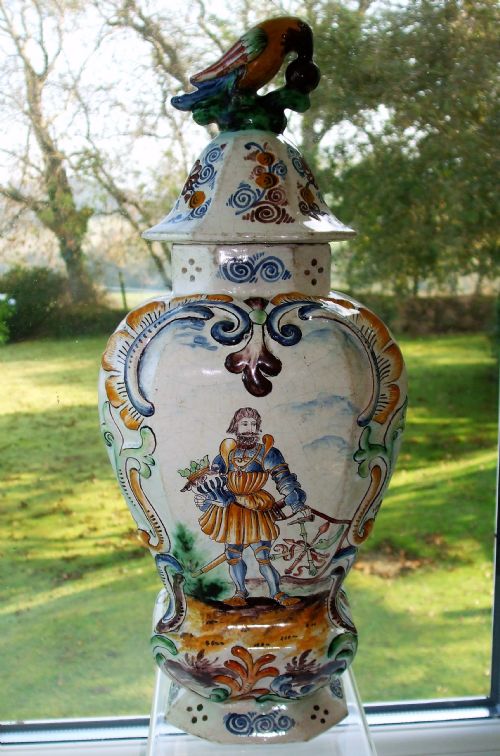
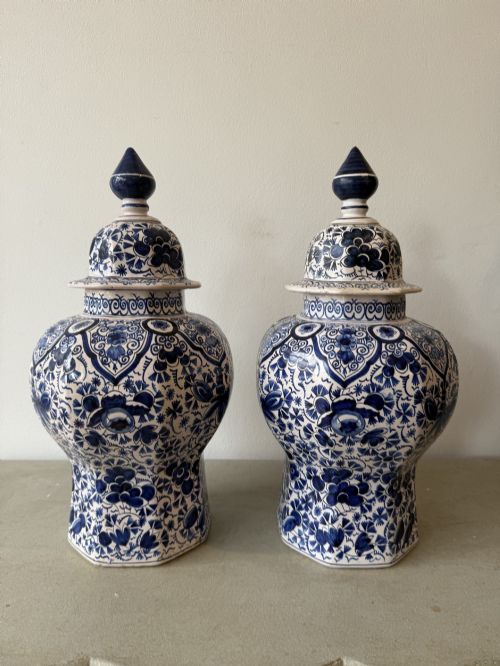
When searching for antique dutch pottery urns, buyers encounter tin-glazed earthenware vessels ranging from seventeenth-century blue and white baluster vases to nineteenth-century decorative jars and lidded pieces. The most common survivals on this page are eighteenth-century examples featuring hand-painted botanical or avian motifs, often paired as sets.
Forms vary from grand lidded urns with handles to slender beaker vases and adapted table lamps fitted to gilt bases. Many pieces display traditional chinoiserie scenes, Dutch baroque influences, or later art nouveau porcelain from Holland.
The selection includes robust earthenware bodies covered in opaque white tin glaze, painted with cobalt pigment or manganese. Collectors find both single decorative vases and matched pairs intended for mantelpieces and side tables.
What varies in quality
Quality rests in the crispness of the hand-painted cobalt pigment against the tin glaze and the fluidity of the brushwork depicting birds, flowers, and chinoiserie scenes. Early seventeenth and eighteenth-century examples display spirited application that distinguishes them from later decorative interpretations.
The precision of the earthenware throwing and the survival of original matching covers dictate the standing of a vessel. Complete pairs with intact lids and balanced proportions command greater appreciation among collectors than single, altered, or mismatched pieces.
Hand-painted birds peer from botanical branches across these centuries-old jars, bringing cheerful avian life straight onto the mantelpiece.
Rozenburg
The Antique Dutch Pottery Urns Glossary
- Tin-Glazed Earthenware
- Pottery coated with a glaze containing tin oxide to produce an opaque white surface suitable for painting. This forms the primary medium for traditional delftware vessels.
- Baluster Vase
- A vessel with a rounded body that tapers towards the base and flares at the neck, resembling a architectural baluster. These shapes dominate the larger lidded jars and urns.
- Cobalt Pigment
- A blue mineral colour used beneath the glaze to create the characteristic deep blue decoration on white ceramic bodies. It withstands high firing temperatures without losing intensity.
- Chinoiserie
- European decorative styles inspired by Chinese art, featuring fanciful landscapes, birds, and figures. This aesthetic appears frequently on seventeenth and eighteenth-century pieces.
- Manganese
- A purple-brown metallic oxide pigment utilised in ceramic decoration alongside or instead of cobalt blue. It yields distinctive warm violet-brown tones on tin-glazed earthenware.
Antique Dutch Pottery Urns: Frequently Asked Questions
Are these urns waterproof?
Tin-glazed earthenware is porous by nature and historic bodies can develop hairline fractures over centuries of use. It is safer to use these vessels for dry display rather than holding water for fresh flowers.
For lamps and decorative jars, placing dried stems inside avoids moisture damage to the antique ceramic body and the historical glaze layers.
How do I care for tin glaze?
Dust the surface gently with a dry, soft cloth and avoid chemical cleaners or abrasive sponges. The tin glaze can chip or craze if subjected to harsh impacts or sudden temperature changes.
Keep the pieces away from direct sunlight to preserve the depth of the cobalt and manganese pigments over time.
How are lamps converted safely?
Many antique vases are fitted as table lamps using non-permanent brass mounts or drilled bases to house electrical wiring. Rewired pieces integrate modern internal components while retaining the historical ceramic body.
Buyers should check the wiring specifications and base weight to ensure the lamp stands steadily with a handmade shade.