


Hand Painted Asian Ceramics
Hand painted asian ceramics bring vibrant polychrome decoration and intricate traditional glazing into domestic spaces.
Hand Painted Asian Ceramics
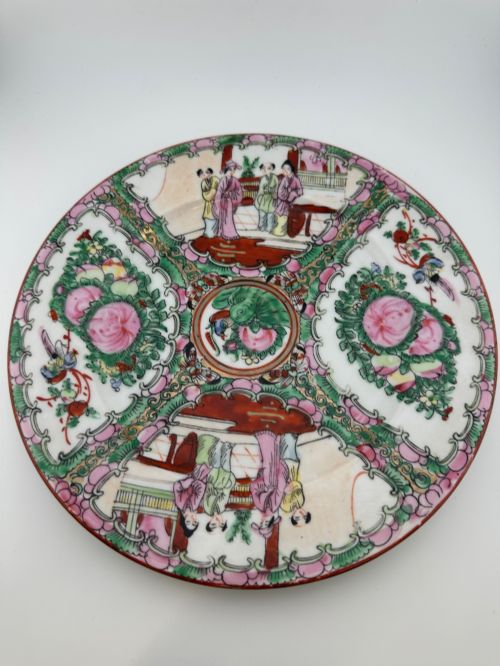
Hand painted asian ceramics encompass a diverse range of decorative and functional objects originating primarily from Japan and China. When exploring hand painted asian ceramics, buyers encounter vessels, plates, bowls, and figures spanning several centuries of craftsmanship.
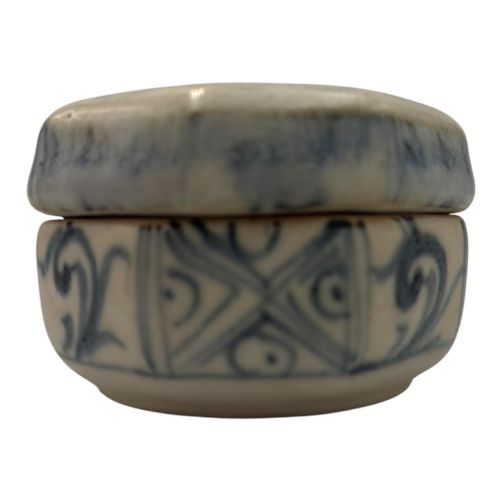
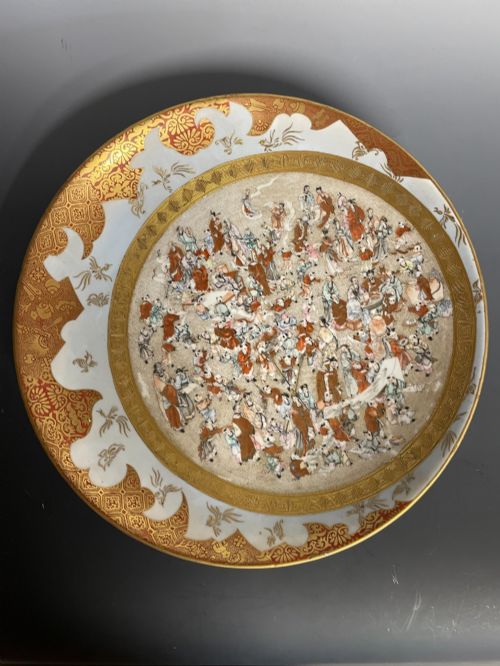
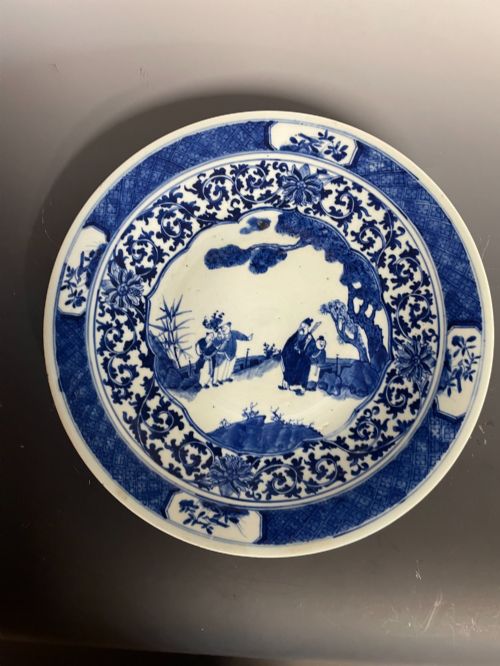
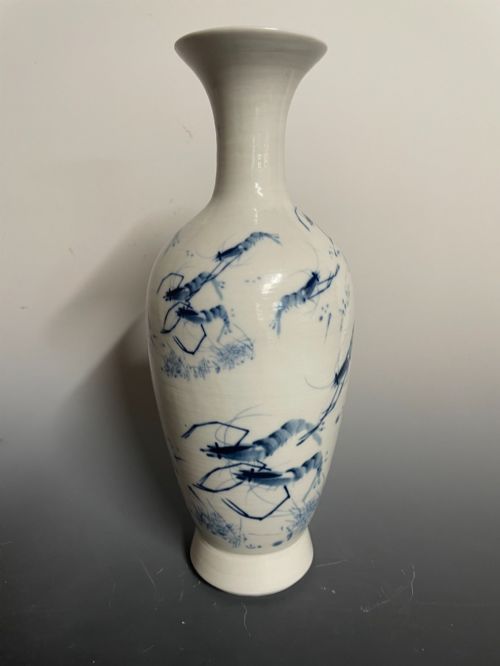
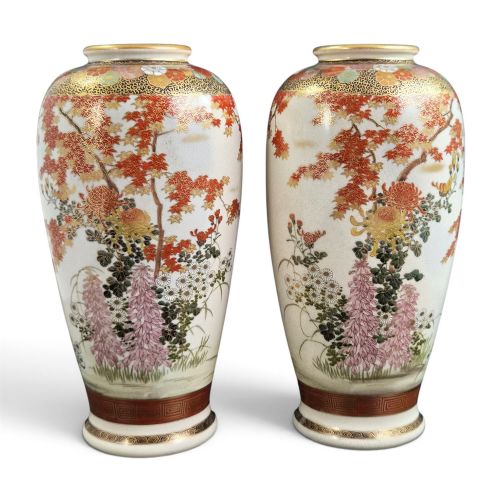
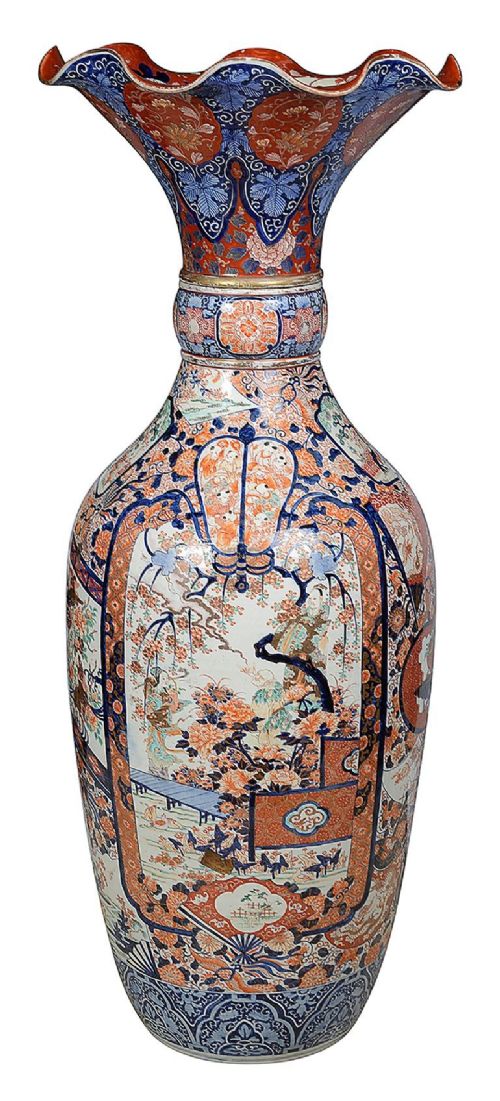
The selection on this page leans heavily towards Japanese production from the Meiji period alongside Chinese porcelain spanning the Qing dynasty and later decades. Common forms include vases, imari plates, satsuma bowls, and covered boxes.
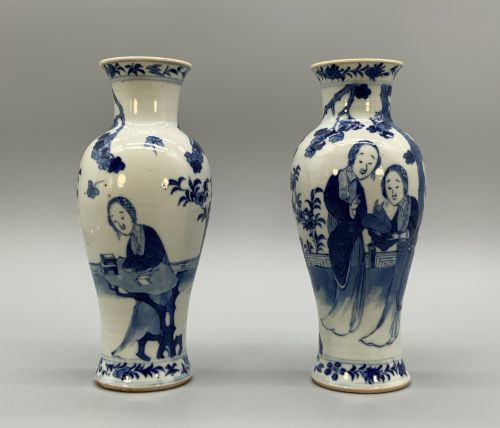
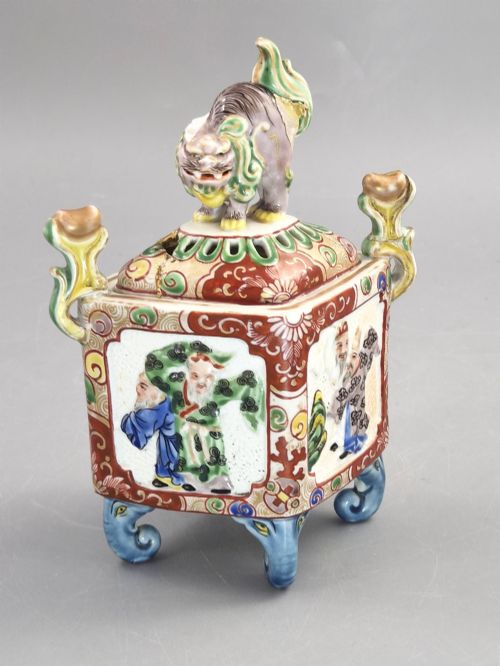
Vessels range from small tea caddies and incense burners to large floor-standing vases and converted table lamps. Each item displays distinct regional motifs, from blue and white figural scenes to dense enamel work.
How they were made
Makers shaped porcelain, earthenware, and ceramic bodies before applying detailed designs using mineral pigments, enamel, and gold leaf. Kiln firing fixed the underglaze blue and polychrome overglaze paints onto the surface.
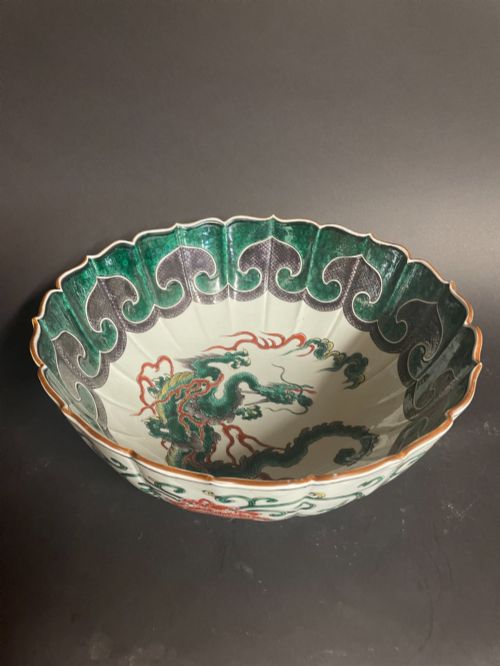
Glaze application varied from clear protective coats to coloured backgrounds such as green dragon motifs. Artisans utilised brushwork for fine line details on figures, birds, and floral arrangements.
Materials recorded across the inventory include enamel, gold leaf, glaze, and gilt applied to Japanese and Chinese wares.
What varies in quality
Quality rests in the precision of the brushwork and the complexity of the enamel and gilt detailing. Pieces featuring refined hand-painted figural scenes or intricate borders demonstrate superior artisan skill.
The crispness of the porcelain body and the stability of the glaze define the production standard. Well-preserved gilding and vibrant, unrubbed enamel pigments elevate the status of individual items.
Koshida·Maruni Kobe·Shozan·Kizan·Gyokkō·Kozan
The Hand Painted Asian Ceramics Glossary
- Imari
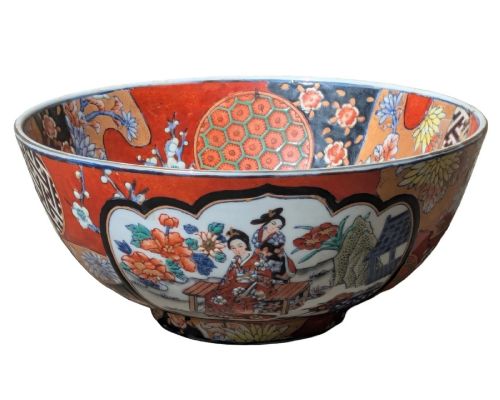
- A style of Japanese porcelain featuring distinctive underglaze blue and overglaze red, gold, and green decorations. These wares were widely produced for export.
- Satsuma
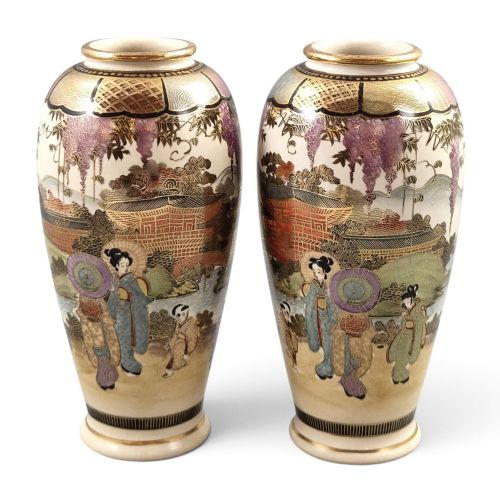
- An earthenware type from Japan with a crackle-glaze finish and ornate polychrome and gilt enamel painting. It often depicts figures, landscapes, and floral patterns.
- Kutani
- Japanese porcelain known for bold colour palettes, particularly iron red and gold. Pieces frequently display pictorial scenes and intricate geometric borders.
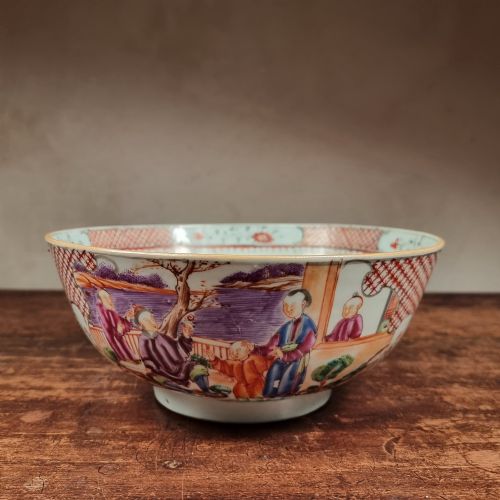
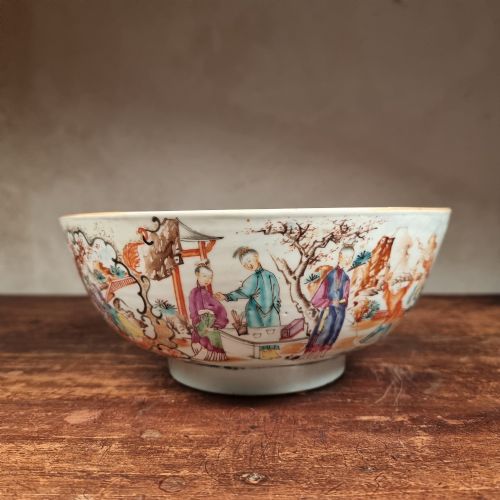
- Famille Rose
- A palette of Chinese porcelain enamels dominated by opaque pink or rose colours. This style developed during the Qing dynasty.
- Okimono
- A Japanese freestanding decorative figurine designed for display on a shelf or in a tokonoma alcove. These figures portray deities, historical figures, or everyday subjects.
Hand Painted Asian Ceramics: Frequently Asked Questions
How do I identify Satsuma ware?
Satsuma pieces typically feature a warm ivory-coloured earthenware body covered in a fine network of crackled glaze. The decoration is applied over the glaze using rich enamels and raised gold leaf.
Subjects often include processions of figures, floral arrangements, and dense geometric borders. Most pieces date from the Meiji period onwards.
What is Imari porcelain?
Imari ware is a style of Japanese export porcelain characterised by a strict palette of underglaze blue combined with iron red and gold overglaze. The patterns are usually panelled and densely packed with floral and brocade motifs.
This aesthetic proved extremely popular in Europe and was widely copied by Western potteries. Genuine antique examples display substantial weight and iron-foot rings.
How do I date Chinese blue and white?
Dating relies on analysing the cobalt blue tone, the potting technique, and the style of the painted motifs. Earlier dynasties display deeper, variable blue hues whilst later wares show brighter, more uniform colour.
Base marks can offer clues, though reign marks were frequently copied by later generations of potters. Comparing the footrim and body weight helps determine the exact period.