

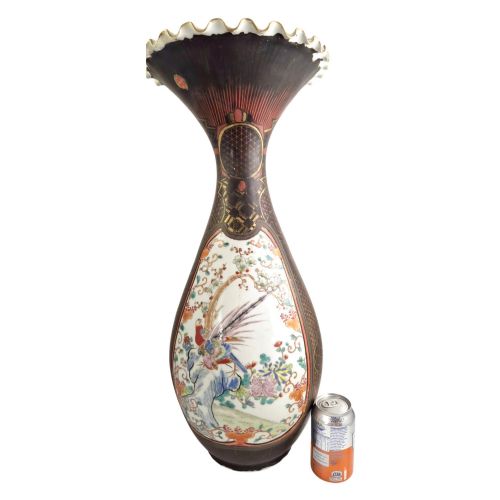

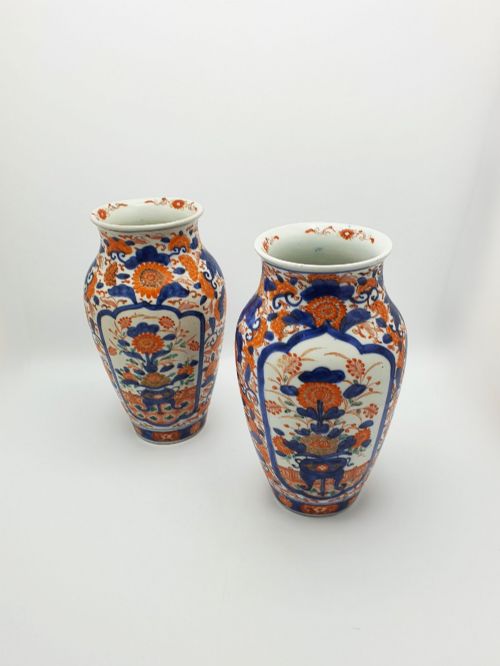
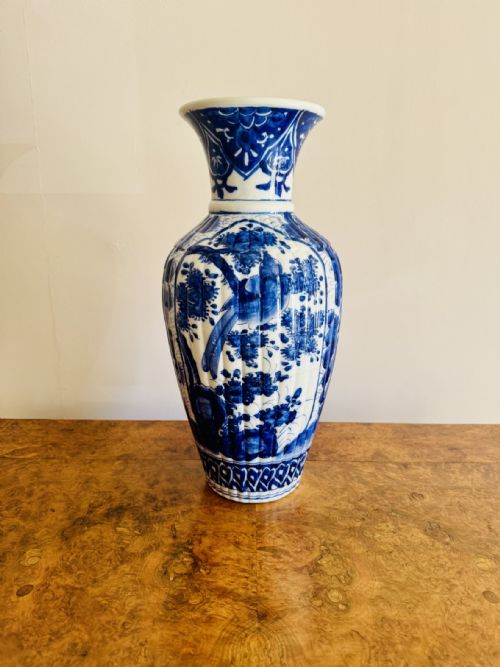
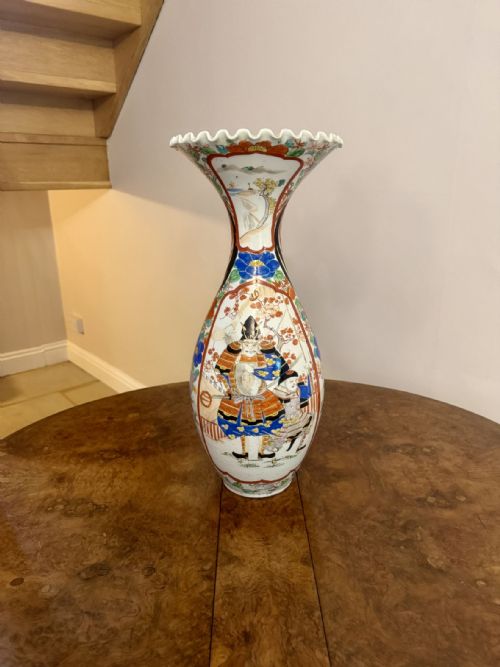
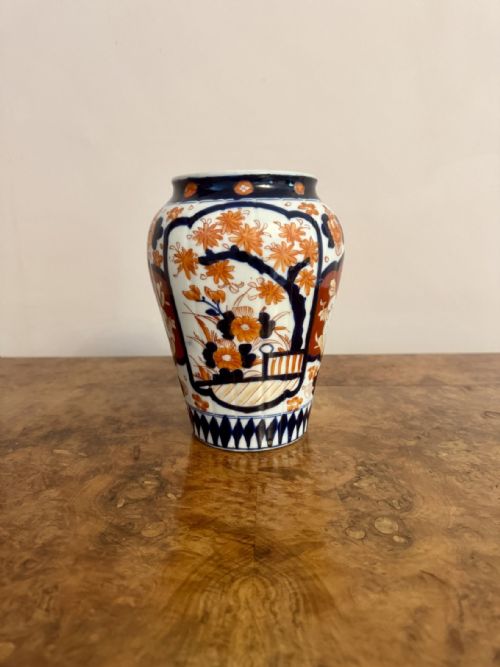
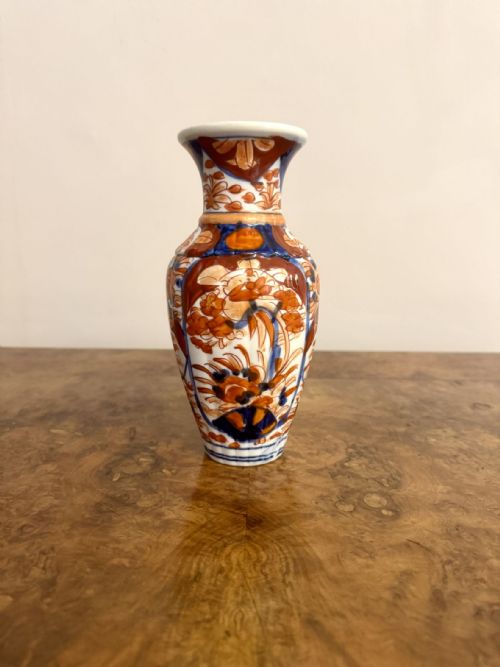
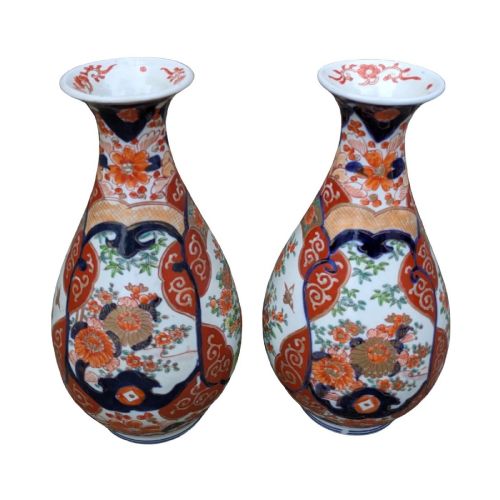


Hand Painted Arita Vase
These hand painted arita vase examples bring centuries of Japanese ceramic artistry into your home.
Hand Painted Arita Vase
A hand painted arita vase represents traditional Japanese porcelain production originating from the town of Arita. Buyers searching for a hand painted arita vase frequently encounter Japanese Imari styles and Meiji period creations.
The selection ranges from baluster and bottle shaped vessels to covered ginger jars and garniture sets. Pieces stretch back to the seventeenth century through to the early twentieth century.
Vessels take many forms including hexagonal shapes and large monumental centrepieces. Conversion to table lamps also appears among eighteenth and nineteenth century examples.
How they were made
Potters shaped fine porcelain clay before applying cobalt glaze and enamel decoration by hand. Artisans often incorporated gold leaf details alongside rich glaze work to enrich the finished surface.
Certain monumental nineteenth century pieces combined porcelain bodies with lacquer elements. Kiln firing fixed the underglaze cobalt and subsequent enamel colours to create durable decorative finishes.
Hand Painted Arita Vase Retail Price Guide 2026
Typical asking prices for hand painted arita vase among the pieces listed under this phrase on Sellingantiques today, from the lower quarter to the upper quarter. They describe what is for sale here now, not the wider market.
Materials recorded across the selection include enamel, gold leaf, brass, lacquer, and fabric alongside traditional cobalt glaze.
What varies in quality
Quality rests upon the precision of the hand painted detail and the balance of the floral panels or decorative motifs. Superior examples display crisp cobalt blue tones and harmonious enamel application.
The scale and ambition of the vessel shape dictate the tier of craftsmanship, from standard baluster jars to monumental towering vases. Maker attribution, such as work by Fukagawa or Yamaka and Tomomae, elevates the standing of a piece.
Yamaka and Tomomae·Fukagawa
The Hand Painted Arita Vase Glossary
- Arita
- A Japanese town renowned for its long history of porcelain manufacture. Kilns here produced wares for both domestic use and international export.
- Imari
- A style of Japanese export porcelain characterised by a palette of cobalt blue, iron red, and gold. Designs typically feature floral panels and intricate brocade patterns.
- Meiji Period
- The era in Japanese history spanning from 1868 to 1912. Production during this time often focused on ornate decorative arts for Western markets.
- Baluster
- A vase form featuring a rounded body that tapers towards the neck and base. This classic silhouette provides a stable canvas for painted decoration.
- Garniture
- A matching set of three or more vases designed to be displayed together on a mantelpiece or cabinet. These sets create a symmetrical visual arrangement.
Hand Painted Arita Vase: Frequently Asked Questions
What is an Arita vase?
An Arita vase is a porcelain vessel made in the Hizen province of Japan, centred around the town of Arita. These pieces range from early blue and white items to colourful Imari export wares.
Craftsmen shaped and painted each piece by hand, producing everything from wine bottles to large monumental display jars.
How do I identify a Meiji period piece?
Meiji period pieces date between 1868 and 1912, reflecting the artistic output of Japan during the reign of Emperor Meiji. These items often feature dense enamel decoration, intricate floral panels, and sometimes gold leaf highlights.
Work from this era frequently caters to the international export market, showing exceptional scale and technical ambition.
Were these vases used as lamps?
Many antique Arita and Imari vases have been converted into table lamps over time. This adaptation occurred to suit modern domestic lighting needs while preserving the decorative ceramic body.
Such conversions appear across eighteenth and nineteenth century examples in the current selection.
How do I style a ginger jar?
A ginger jar with its matching cover works well as a standalone decorative focal point on a sideboard or table. You can also place them within a garniture set to create a balanced display.
Their cobalt blue and enamel patterns pair naturally with both traditional and contemporary interiors.