



Hand Knotted Textile
These hand knotted textile pieces bring the geometric precision of tribal craftsmanship into a room.
Hand Knotted Textile
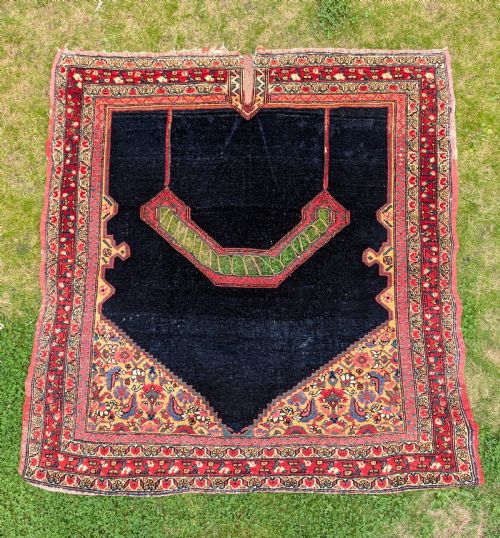
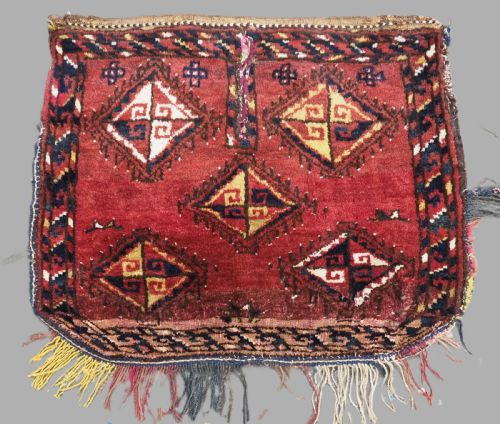
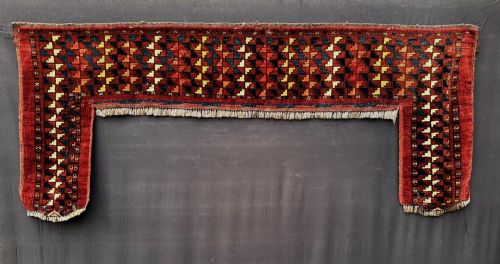
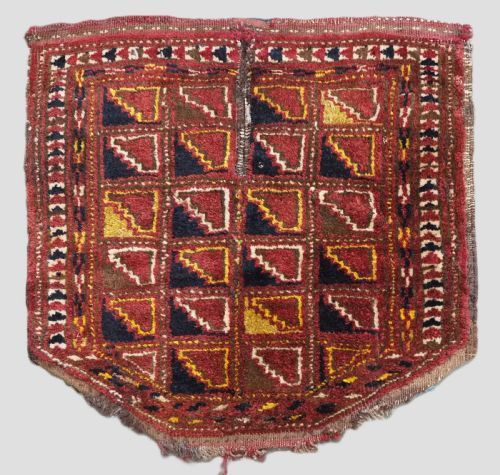
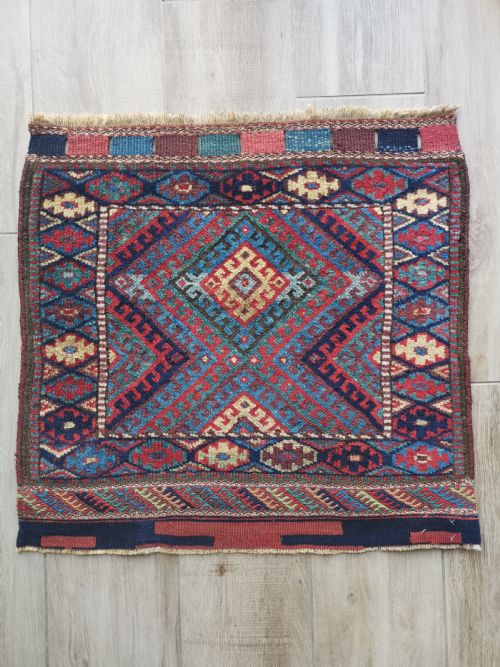
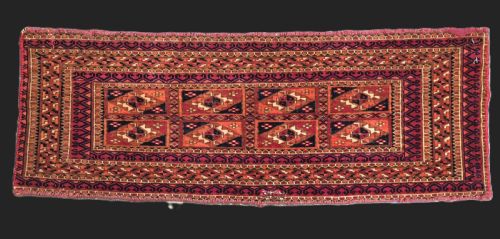
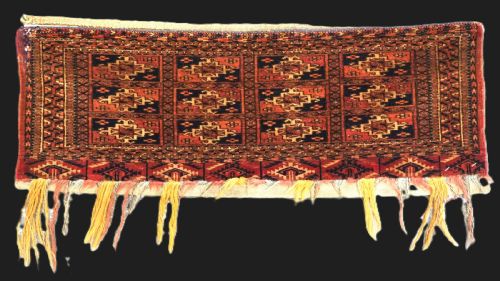
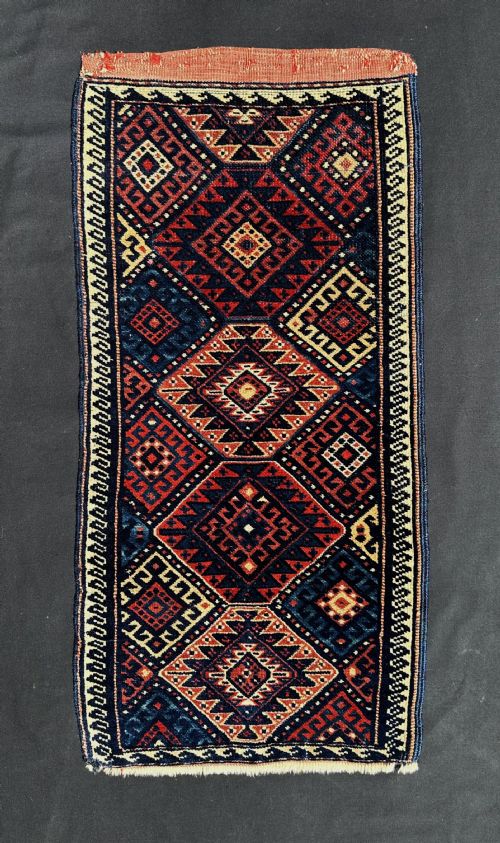
A hand knotted textile in this collection typically takes the form of a functional item made by nomadic and village groups, such as saddle covers, torbas, bagfaces, and rugs. These domestic and utilitarian pieces originate primarily from Central Asia, Persia, and the Caucasus.
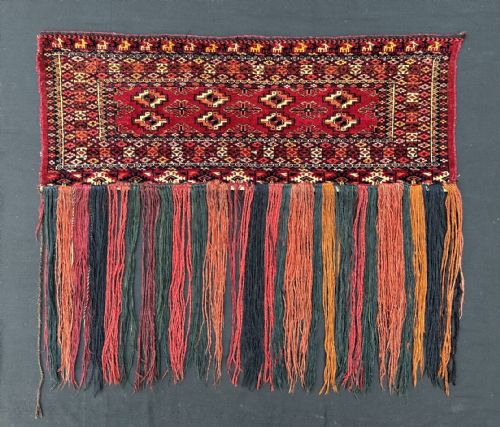
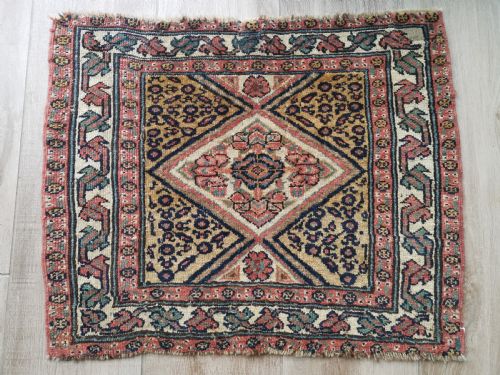
Buyers encountering this inventory will most frequently discover nineteenth-century Turkmen torbas, Persian bagfaces, and Caucasian rugs. The selection spans distinct tribal groups including the Tekke, Yomut, and Ersari, alongside Kurdish and Qashqai works.
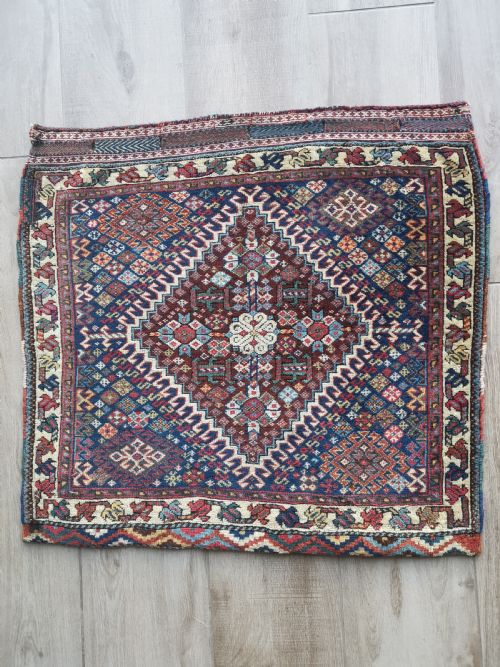
Items range from small pillow bag-faces and saddlebag fragments to larger carpets and complete storage bags with original plain weave backs. Each piece reflects the specific weaving vocabulary of its region, preserving traditional patterns passed down through generations.
Materials and Construction
The primary structural material in these works is hand-spun wool, often paired with cotton for foundations and sometimes incorporating leather or linen elements. Natural dyes provide the enduring palette, yielding deep madder reds, ivories, and dark browns that age with considerable character.
Weavers tied individual knots by hand onto warp and weft threads to build dense, durable pile surfaces. Utility dictated construction, resulting in sturdy bagfaces and covers designed to withstand daily nomadic life.
Several bags retain their original plain-weave backs, having outlived the camels and horses they once rode upon.
Evaluating the Weaving
Quality in these textiles depends on the density and precision of the knotting, which dictates the crispness of tribal motifs like guls and central medallions. Tighter, finer weaves generally indicate greater skill and patience on the part of the maker.
The choice and vibrancy of natural dyes also set examples apart, with certain pieces showing exceptional depth of colour and complex secondary palettes. Preservation of original elements, such as plain weave backs or complete borders, further distinguishes finer survivals.
The Hand Knotted Textile Glossary
- Torba
- A small storage bag produced by Turkmen tribes, traditionally used inside a tent for household possessions. These wide formats often display multiple guls.
- Chuval
- A large Turkmen tent bag used for storing bedding and heavy goods. They frequently feature rows of primary guls and robust construction.
- Gul
- A medallion or repeating octagonal motif used extensively in Central Asian tribal weaving. Different tribes utilised distinct guls for tribal identification.
- Bagface
- The decorative front panel of a utilitarian nomadic bag, often preserved as a standalone textile after the plain wool back wore away.
- Engsi
- A specialised Turkmen rug hung over the entrance frame inside a yurt. They typically feature a quartered design separated by a candelabra motif.
Hand Knotted Textile: Frequently Asked Questions
How were these bags used?
Nomadic tribes utilised these textiles primarily for storage and transport on animals. Items like torbas and chuvals held household goods, bedding, and provisions inside tents.
Smaller pieces functioned as saddle covers, grain bags, or pillow faces for daily camp life.
Can these hang on walls?
Many collectors display smaller bagfaces and covers as wall art to protect them from floor traffic. Proper mounting involves using a fabric sleeve or stitched cotton support distributed evenly across the top edge.
Direct, prolonged sunlight should be avoided to protect natural dyes from fading.
What is a bagface?
A bagface is the ornamented front panel of a utilitarian nomadic storage sack. Because the plain-weave backs wore out from hard use, the decorative fronts often survive independently.
These panels showcase the finest knotting and design work of the original piece.