
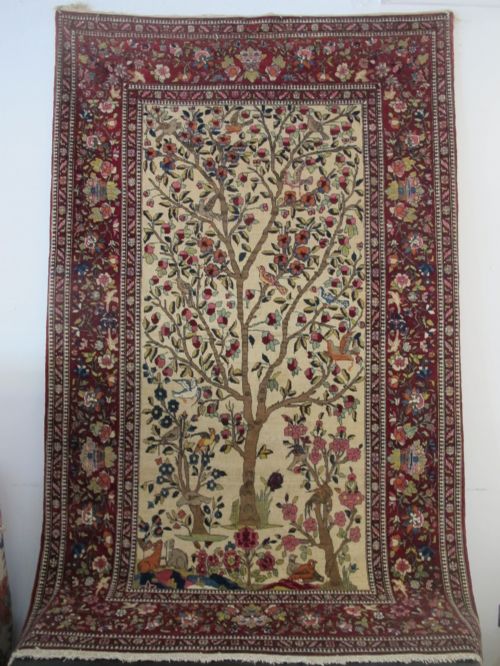


Hand Knotted Isfahan Rug
A hand knotted isfahan rug brings central Persian weaving tradition into a room through intricate medallion designs and dense pile.
Hand Knotted Isfahan Rug
A hand knotted isfahan rug represents the pinnacle of central Persian weaving, originating from the historic city of Isfahan. Buyers searching for this phrase encounter formats ranging from intimate area rugs to expansive carpets designed for grand interiors.
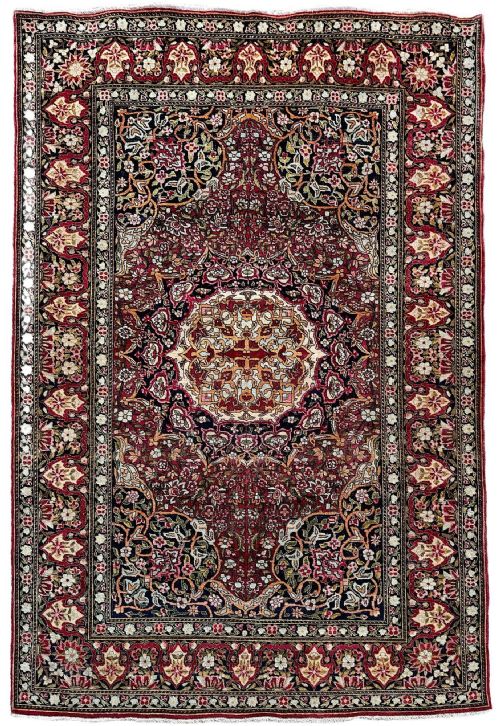
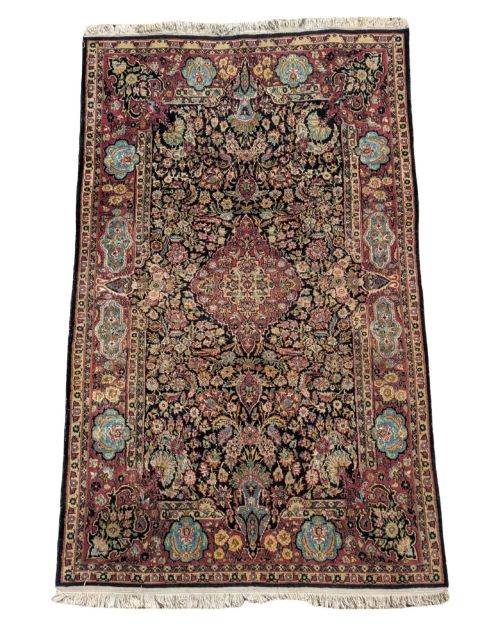
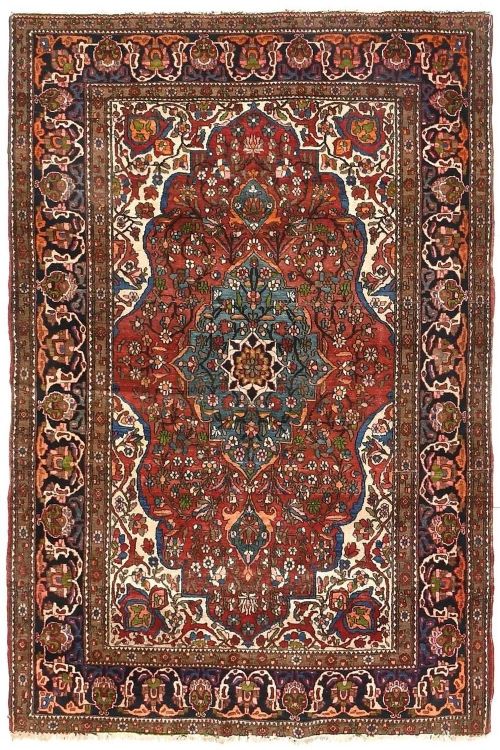
The pieces seen here span distinct periods from the late nineteenth century through to the 1930s. Traditional Persian, Safavid and Qajar styles heavily influence the visual vocabulary found across these woven works.
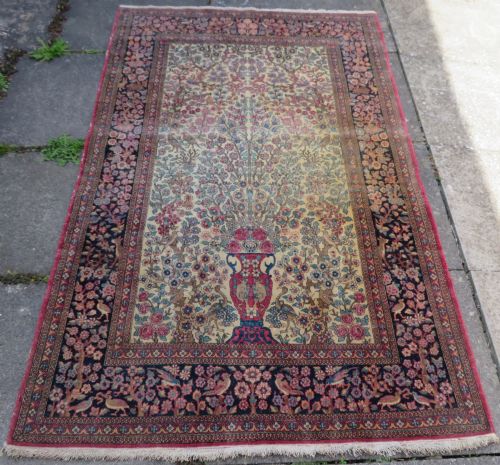
Most examples adopt classic small medallion designs or pictorial layouts such as the Tree of Life motif. Central Persia remains the geographic origin point for these specific creations.
Materials and construction
Construction relies on natural materials including wool, lambswool, cotton and silk. Artisans frequently combine a lambswool pile with a silk foundation or utilise silk highlights to accentuate intricate design elements.
The underlying structure is painstakingly hand knotted to achieve a very fine weave. This meticulous method allows makers to render complex floral motifs and precise geometric boundaries with lasting durability.
Country house carpets sometimes arrive carrying the quiet scent of aged wool and decades of British drawing room life.
Assessing quality
Knot density and structural fineness define the upper echelon of these carpets. A tighter weave permits greater clarity in the central medallion and subordinate borders.
The selection of foundation materials also dictates standard, with silk foundations paired with fine wool representing significant craftsmanship. Preserved pile condition and the depth of natural dye colours further distinguish superior examples from distressed pieces.
Ahmadi
The Hand Knotted Isfahan Rug Glossary
- Medallion
- A central ornamental motif, often circular or oval, placed in the middle of the field. This element anchors the symmetrical design of the rug.
- Foundation
- The structural base of the carpet, consisting of warp and weft threads. Cotton and silk are common materials used for this hidden support grid.
- Pile
- The vertical or slanted nap formed by the cut ends of knots. Wool, lambswool and silk form this tactile surface layer.
- Tree of Life
- A pictorial motif depicting a stylised tree branching upwards with floral and animal elements. It symbolises creation and eternal life in Persian tradition.
- Warp
- The stationary longitudinal threads stretched on the loom before knotting begins. The fringe of the rug is typically a continuation of these structural threads.
Hand Knotted Isfahan Rug: Frequently Asked Questions
How do I care for a wool rug?
Vacuum gently without using a beater bar to prevent pulling the delicate knots. Rotate the piece periodically to ensure even wear from foot traffic and sunlight exposure.
Professional cleaning by specialists in antique textiles is recommended every few years. Avoid harsh chemical spot treatments that can damage natural dyes.
Where were these carpets made?
Production centres in central Persia, specifically the city of Isfahan, historically produced these finely knotted floor coverings. Master weavers worked in urban workshops to supply domestic and international patrons.
The regional style draws on centuries of Persian artistic heritage, including Safavid and Qajar court designs. This heritage is visible in the refined floral compositions and precise borders.
What is a foundation?
The foundation provides the structural skeleton of the rug, comprising warp and weft threads interwoven on a loom. Cotton provides sturdy support, whilst silk foundations allow for exceptionally fine, dense knotting.
This hidden grid holds every individual knot in place. Examining the reverse reveals the quality of this foundational weave.