
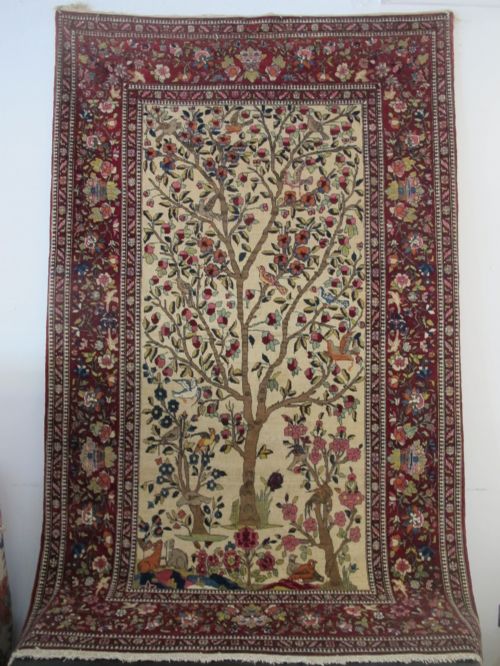


Vintage Isfahan Carpet
A vintage isfahan carpet brings central Persian weaving tradition into a room through intricate medallion designs and fine floral motifs.
Vintage Isfahan Carpet
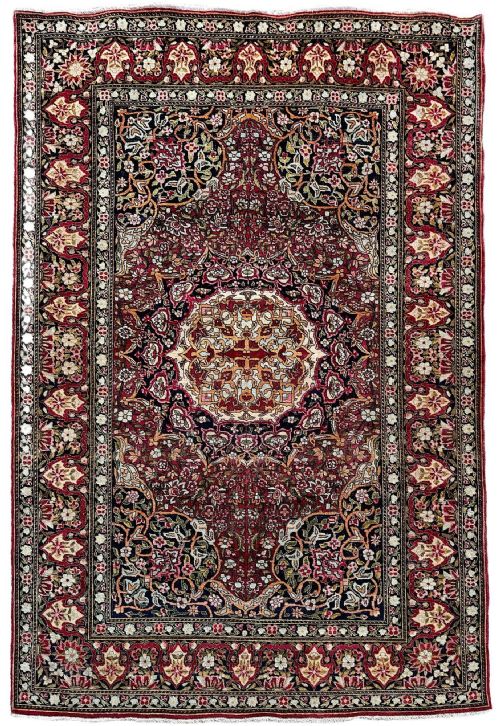
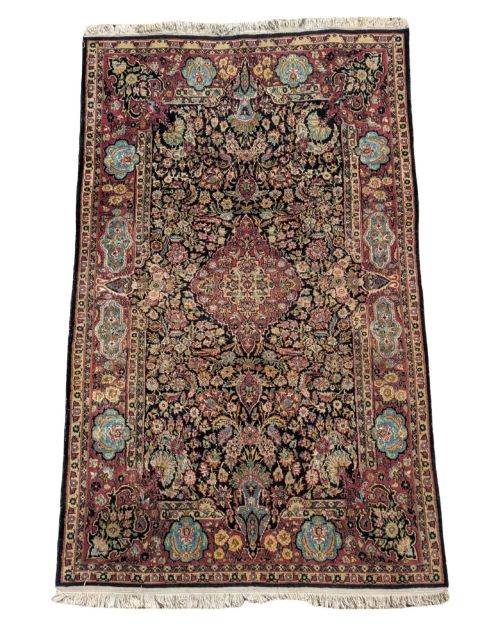
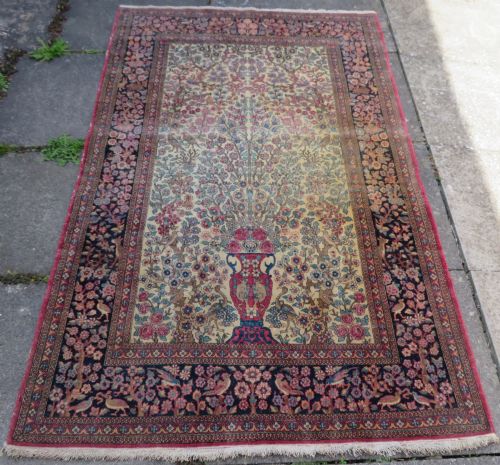
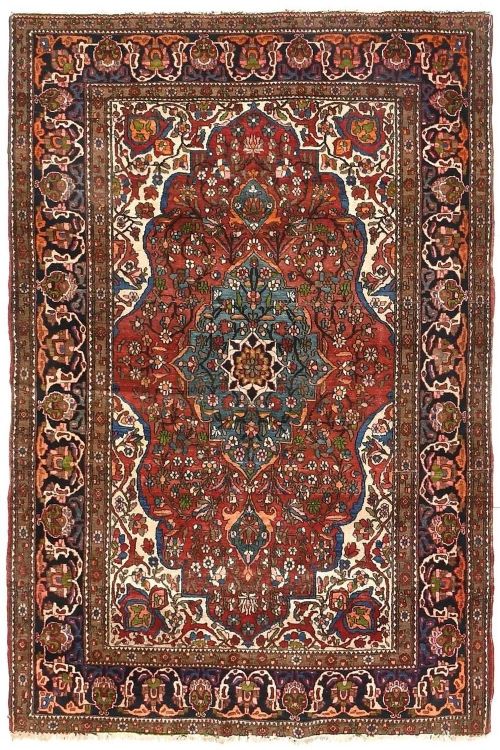
A vintage isfahan carpet represents the classical weaving tradition of central Persia, produced across the late nineteenth and early twentieth centuries. These floor coverings typically take the form of rugs and area rugs, incorporating traditional Persian patterns alongside pictorial elements and tree of life compositions.
The pieces available here span several decades from eighteen ninety through to nineteen thirty. Buyers will encounter both standard room formats and large carpets displaying classic small medallion designs characteristic of the region.
Materials and construction
Weavers constructed these carpets using wool, lambswool, and cotton foundations, occasionally incorporating silk highlights or building a lambswool pile upon a silk foundation. These material combinations allowed for a very fine weave and intricate detailing across the central field.
Makers utilised traditional central Persian knotting techniques on durable foundations to produce both standard rugs and larger carpets. The integration of silk threads provided subtle luminosity to specific motifs within the wool pile.
Listings span the period from eighteen ninety to nineteen thirty, showing materials including wool, cotton, silk, and lambswool.
Distinctions in quality
Quality in these central Persian carpets rests on the density of the weave and the precision of the design execution. Pieces described as having very fine weaves or silk foundations represent the higher tier of production.
The handling of materials also distinguishes different grades of weaving. Examples featuring lambswool on silk foundations demonstrate greater material complexity than standard wool on cotton constructions.
Ahmadi
The Vintage Isfahan Carpet Glossary
- Medallion
- A central ornamental motif placed in the middle of the carpet field. This design element sits at the heart of classical Persian composition.
- Tree of Life
- A pictorial motif depicting a symbolic tree branching with floral and animal elements. This design has ancient roots in Middle Eastern art.
- Foundation
- The structural base of the carpet formed by the warp and weft threads. Silk foundations provide a finer and more rigid backing for the pile.
- Pile
- The vertical surface yarn knotted into the foundation to form the soft texture of the rug. Makers utilised wool, lambswool, and silk for this purpose.
Vintage Isfahan Carpet: Frequently Asked Questions
Where were these carpets made?
These carpets originate from central Persia, specifically the city of Isfahan and its surrounding workshops. Weavers in this region established a distinct tradition focusing on refined floral designs and balanced compositions.
Production spanned the late nineteenth and early twentieth centuries, drawing upon classical Safavid design principles. Central Persia maintained a reputation for producing some of the most meticulously knotted floor coverings in the region.
What materials are used in the pile?
The pile is typically knotted from wool or lambswool, providing a durable and soft surface for everyday use. Certain finer pieces incorporate silk highlights to accentuate specific details within the pattern.
Foundation threads beneath the pile are usually made of cotton, though exceptional examples utilise silk foundations. These material choices directly influence the weight and drape of the rug.
How should I place an area rug?
An area rug functions best when anchored by furniture pieces within a room, allowing the central medallion or pictorial design to remain visible. Placing the rug on a flat surface away from excessive moisture preserves the textile fibres.
Regular rotation ensures even wear across the wool or lambswool pile over time. Proper placement highlights the craftsmanship of the central Persian weaving tradition.