


Hand Knotted Afghan Carpet
When you choose a hand knotted afghan carpet, you bring home a tribal textile woven with rich regional character and enduring wool.
Hand Knotted Afghan Carpet
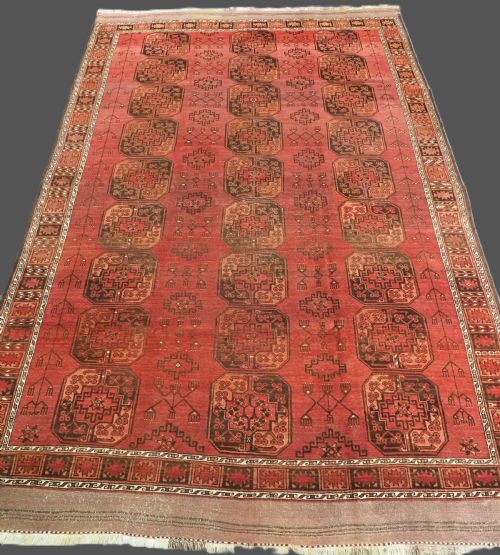
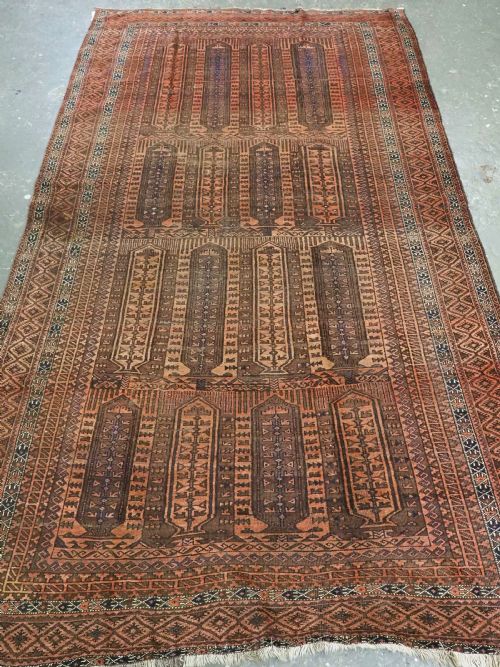
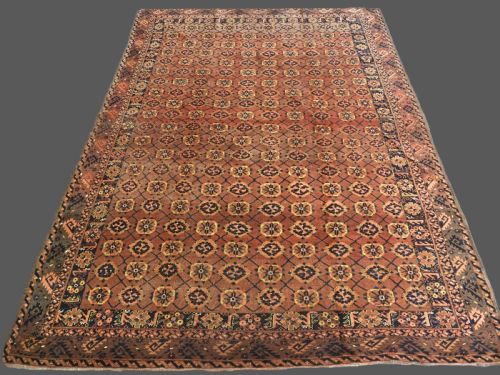
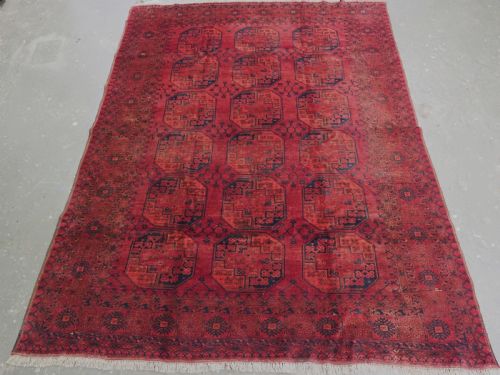
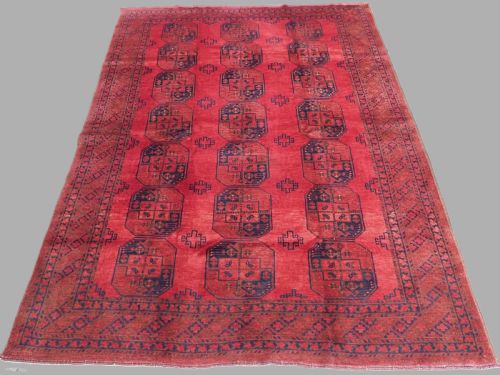
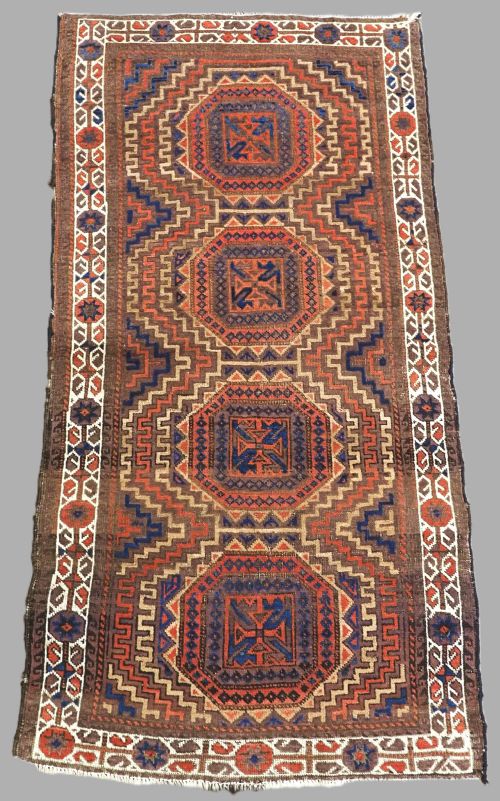
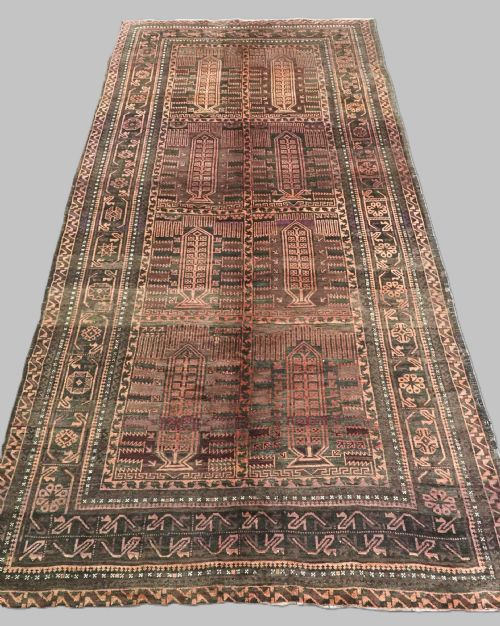
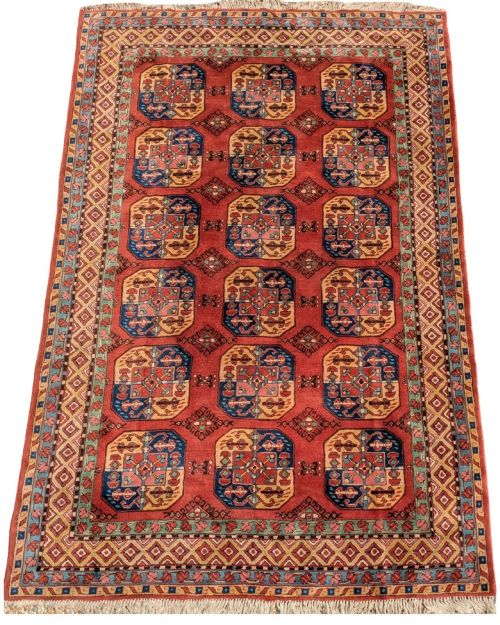
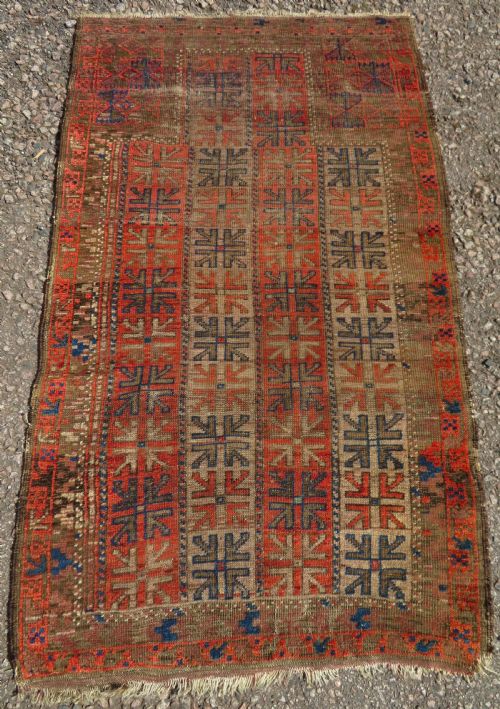
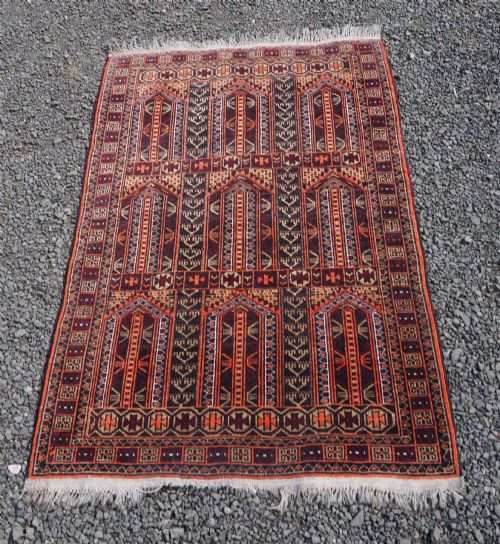
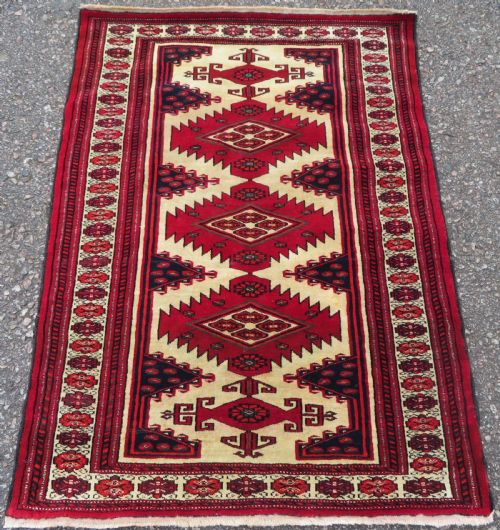
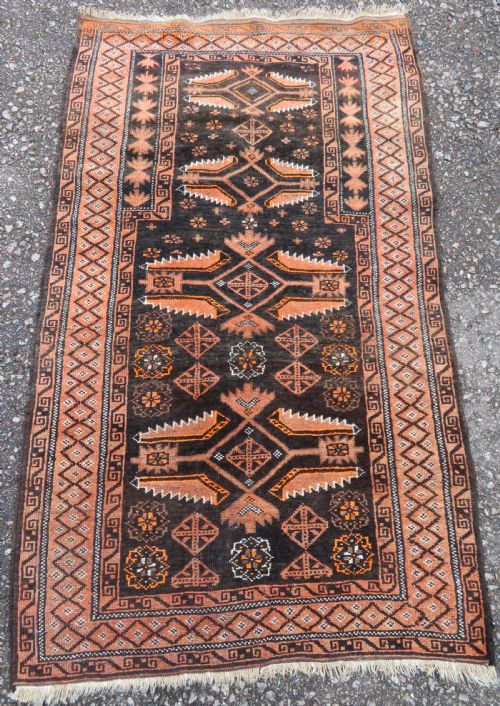
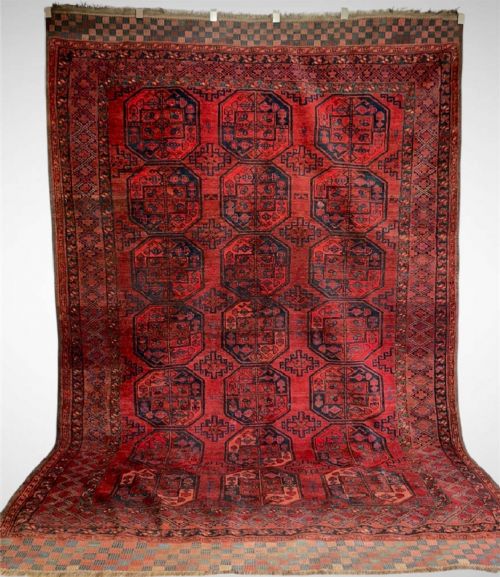
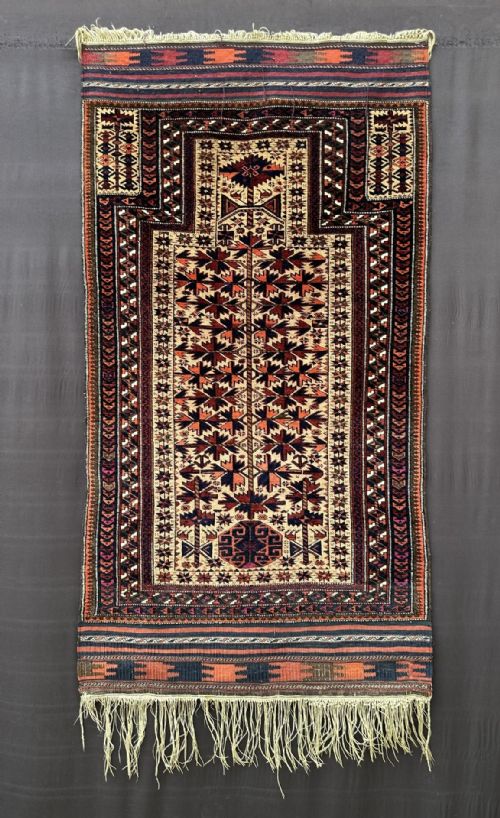
A hand knotted afghan carpet represents the weaving traditions of nomadic and village communities across Central Asia and Afghanistan. These floor coverings span prayer rugs with mihrab niches to large room-sized carpets displaying tribal guls and geometric motifs.
Most examples encountered here originate from the late nineteenth and early twentieth centuries, reflecting traditional designs passed down through generations. Makers utilised classic formats including Baluch, Ersari, and Kizil Ayak patterns, often worked in warm reds and deep earthy tones.
Materials and construction
Weavers relied primarily on hand-spun wool for the pile, paired with natural dyes to create deep reds, golds, and browns that soften gracefully over time. Cotton and goat hair also appear in the foundations and flatwoven kilim ends.
The technique relies on individual knots tied by hand onto warps, creating a dense and resilient fabric designed for practical daily use. Natural dye variations produce subtle tonal shifts across the surface of each finished carpet.
Listings feature pieces spanning from the 1880s through to the 1930s, using wool, cotton, goat hair, and natural dyes.
Judging the standard
Quality rests in the precision of the knotting, the balance of the composition, and the depth of the palette. Tighter knots and finer hand-spun wool generally signal a more accomplished piece.
Condition and completeness also govern the hierarchy, with intact kilim ends and even pile wear elevating an example. The complexity of the tribal motifs, from large turreted guls to intricate prayer designs, marks the distinction between standard village work and master examples.
The Hand Knotted Afghan Carpet Glossary
- Gul
- A primary medallion motif characteristic of Turkmen and related tribal carpets. These repeated octagonal shapes often identify the specific weaving group.
- Mihrab
- An arched niche design found primarily on prayer rugs, pointing toward Mecca during worship. Double and triple mihrabs also occur in nomadic weaving.
- Kilim end
- The flatwoven section at the ends of a pile rug, often finished with warp threads or fringes. These protect the knotted field from fraying.
- Pencil box design
- A specific compartmentalised geometric pattern resembling small stacked boxes, frequently seen in Timuri and Baluch carpets.
Hand Knotted Afghan Carpet: Frequently Asked Questions
How do I care for an old wool rug?
Vacuum gently without a rotating beater bar to protect the delicate hand-spun wool pile and edges.
Keep the textile out of direct sunlight to prevent natural dyes from fading over decades of display.
Can I use these rugs on modern floors?
These historical carpets suit high-traffic and low-traffic living spaces alike when paired with a quality breathable underlay.
The sturdy wool and cotton foundations provide enough resilience for everyday placement on wood or stone.
How do I distinguish Baluch from Ersari pieces?
Baluch rugs typically feature darker palettes, rich browns, and distinct tribal motifs like the pencil box or kalam donneh design.
Ersari carpets frequently showcase larger formats, warm red tones, and prominent guls characteristic of Turkmen weaving traditions.
What is a prayer rug used for?
Traditional prayer rugs feature a distinct mihrab arch that worshippers directed toward Mecca during daily Islamic devotions.
Collectors today appreciate these smaller formats for their intimate scale and concentrated iconography.