





Wool Hallway Runner Rug
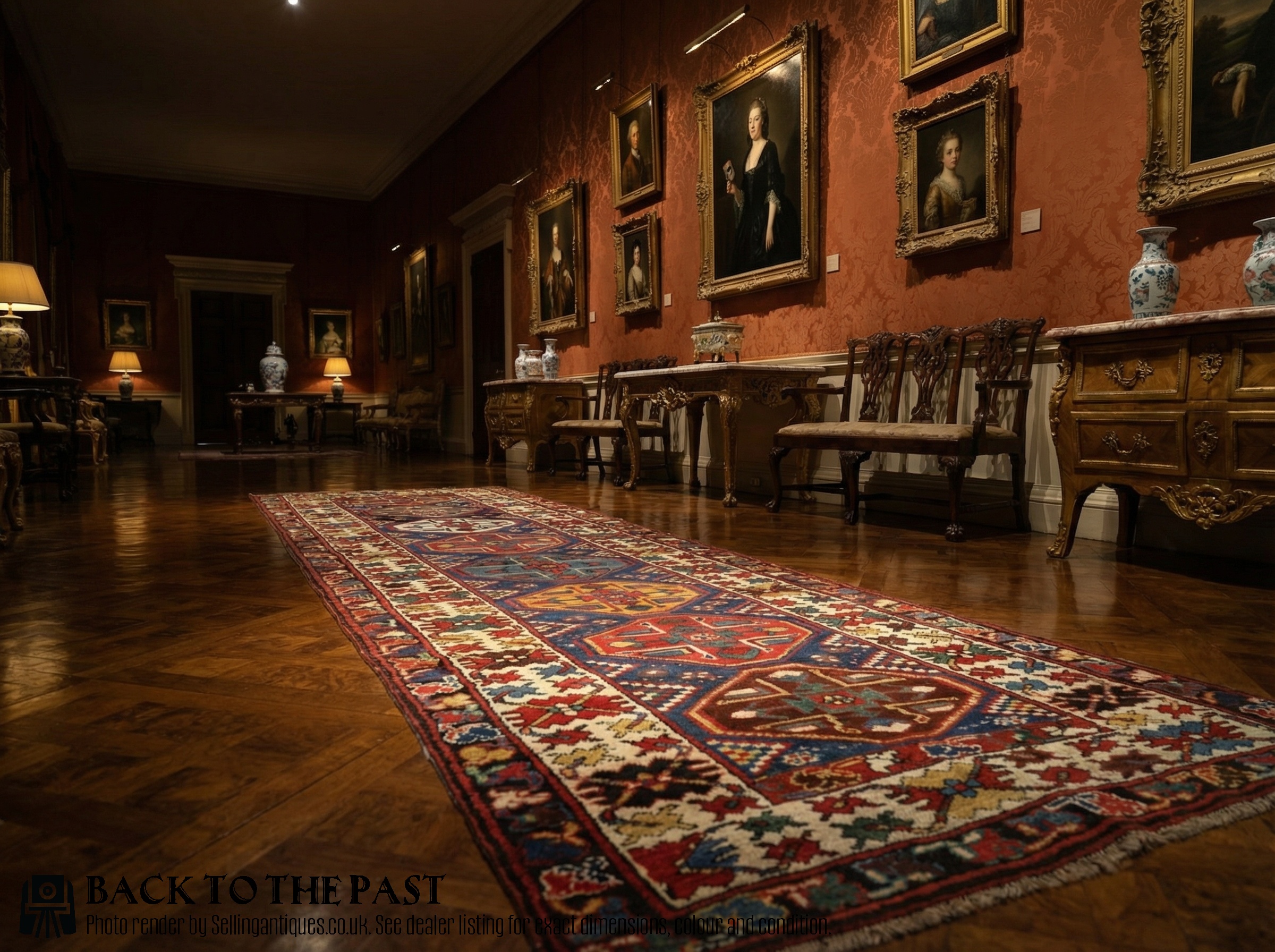
A wool hallway runner rug brings warmth and linear rhythm to a long interior passage using resilient natural pile.
Wool Hallway Runner Rug
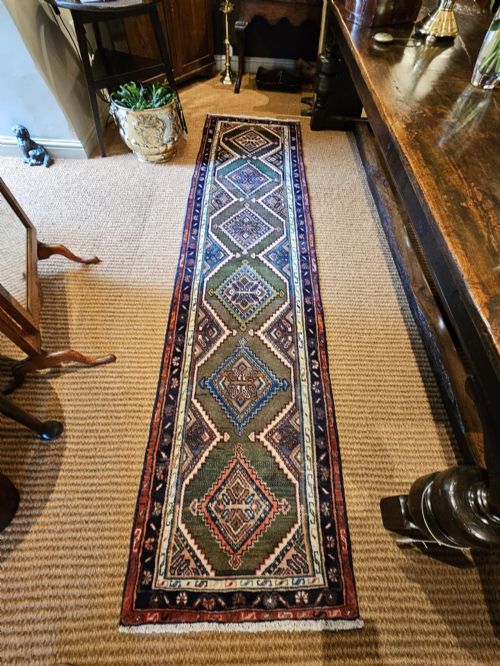
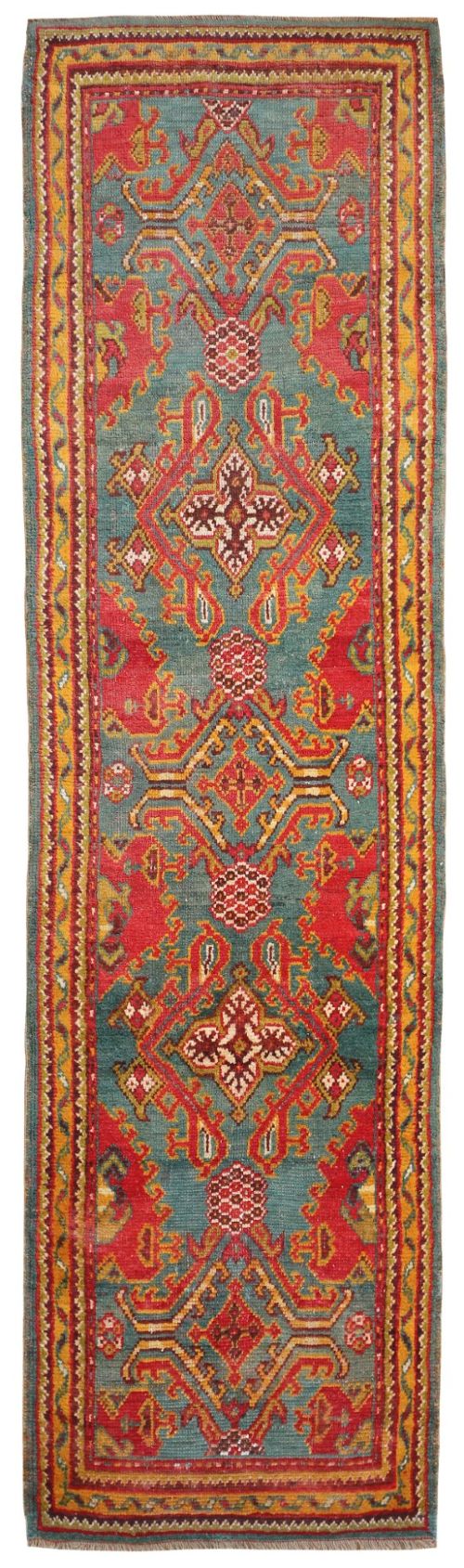
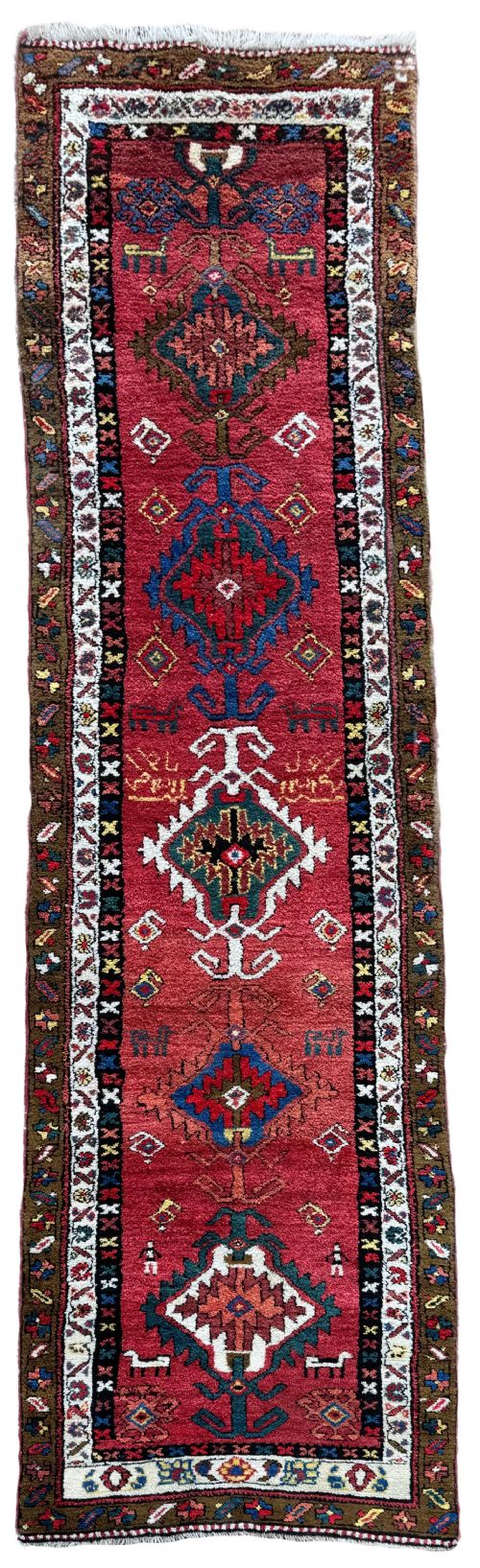
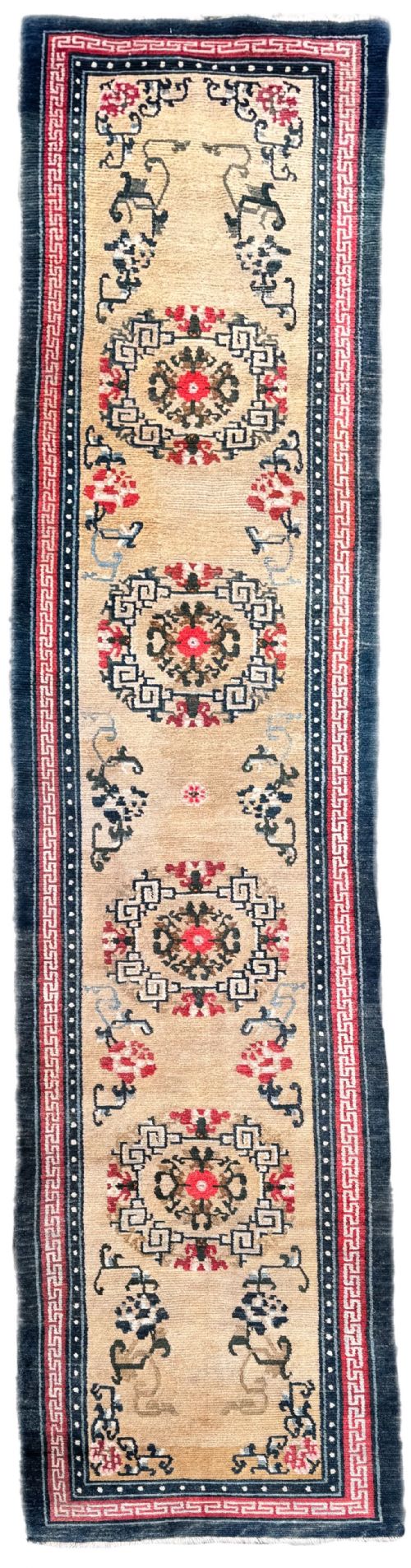
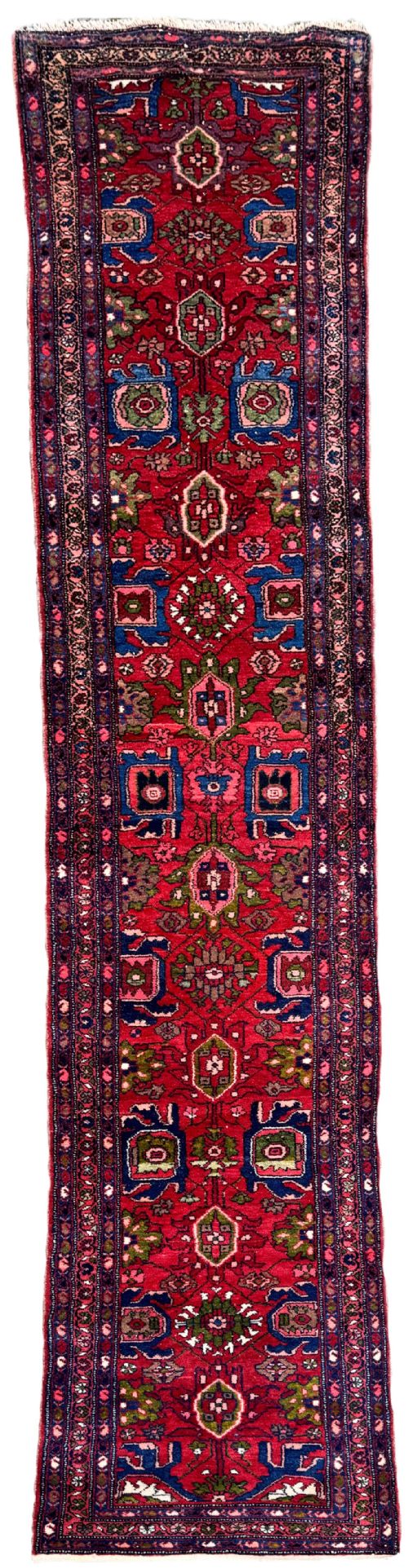
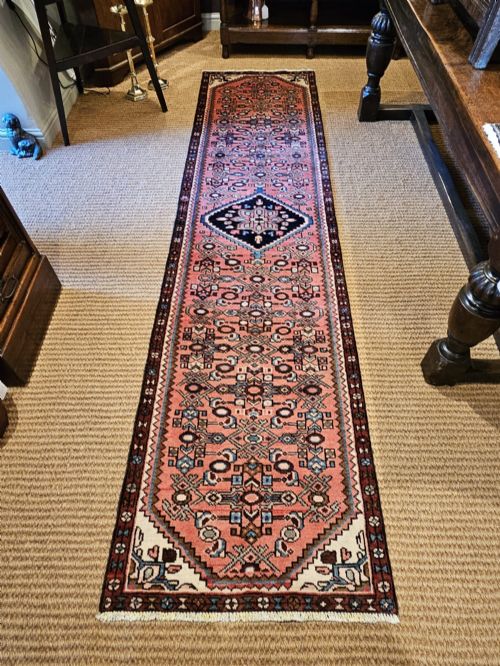
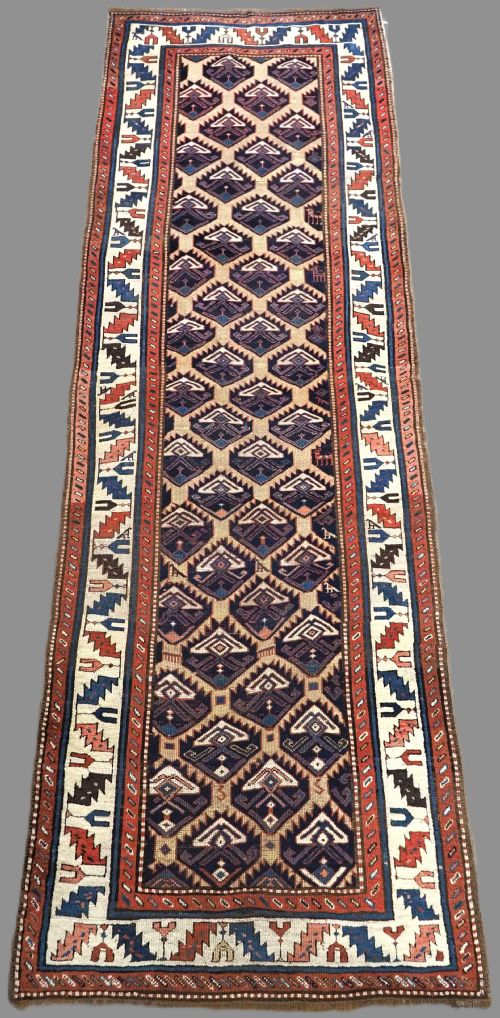
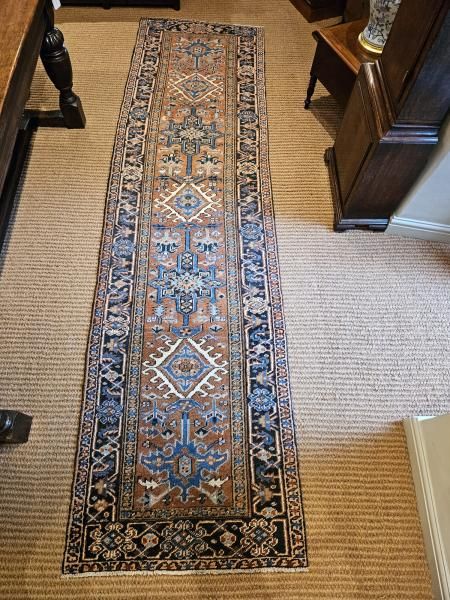
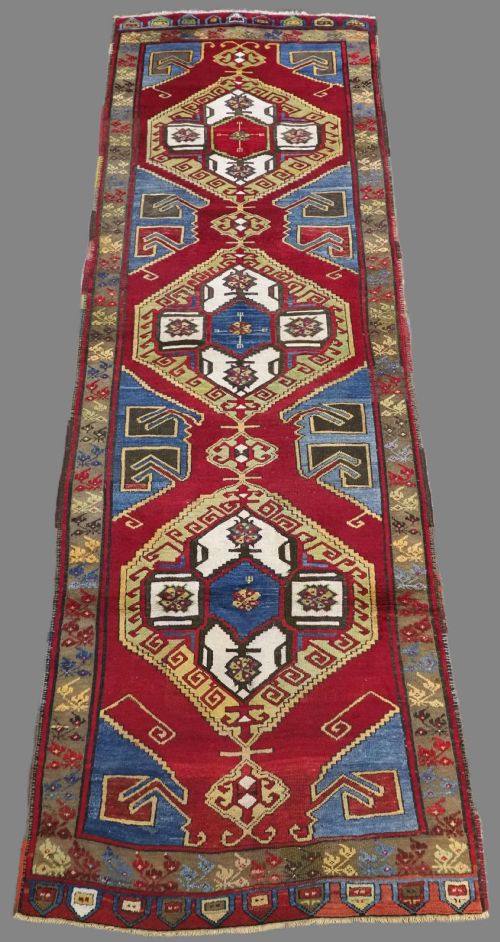
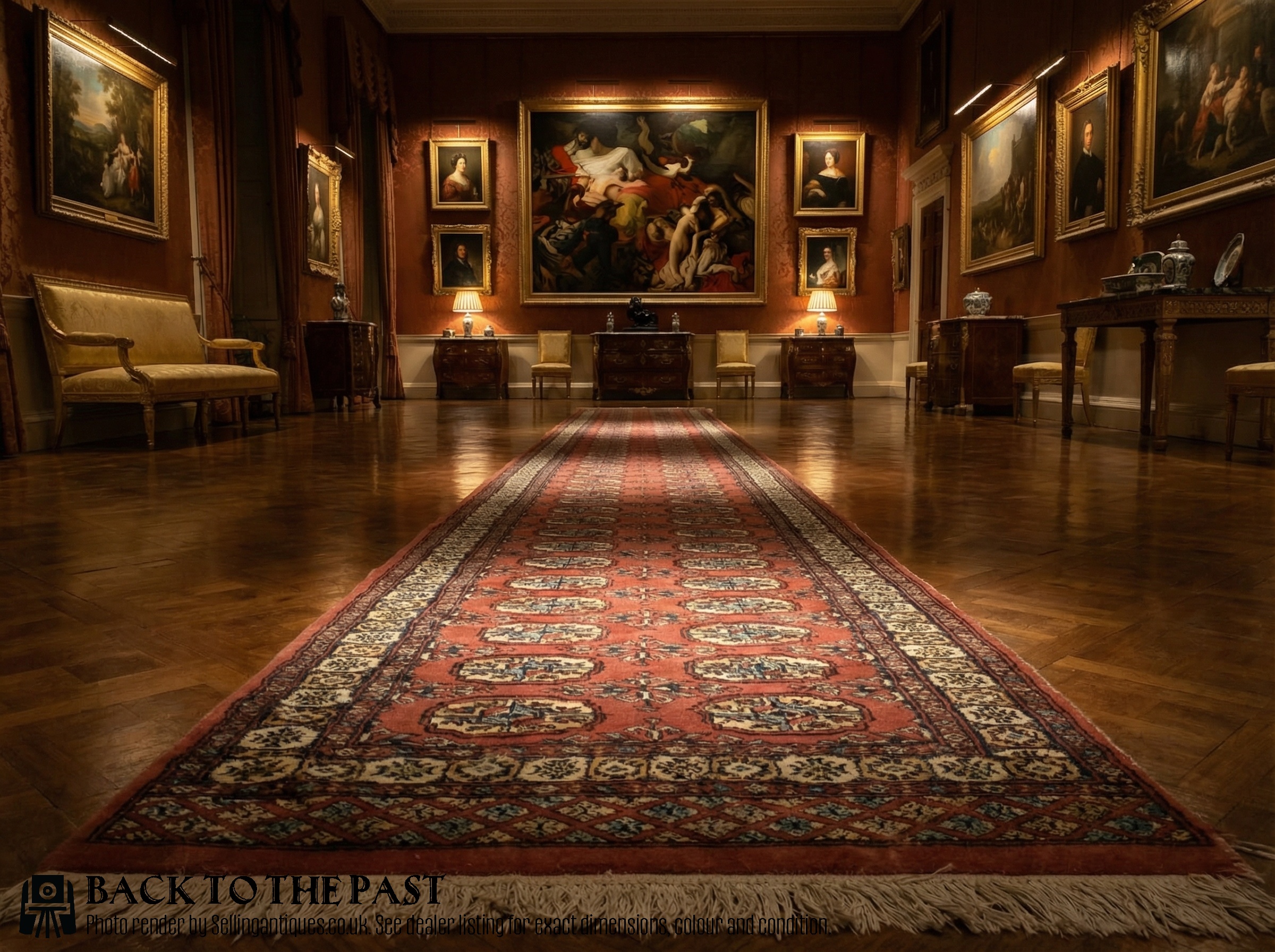
A wool hallway runner rug is a long, narrow floor covering designed specifically for corridors, landings and extended passageways. When searching for a wool hallway runner rug, buyers encounter pieces originating from Persian, Turkish, Caucasian and Kurdish traditions, spanning the late nineteenth century through to the mid twentieth century. These textiles bridge domestic spaces by introducing traditional motifs and geometry into transit areas.
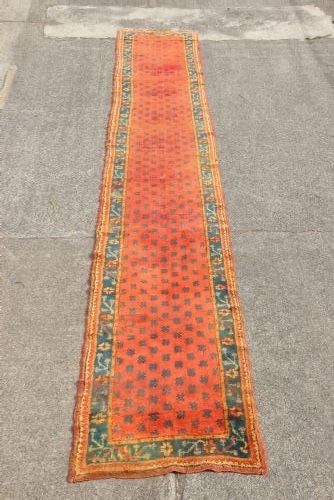
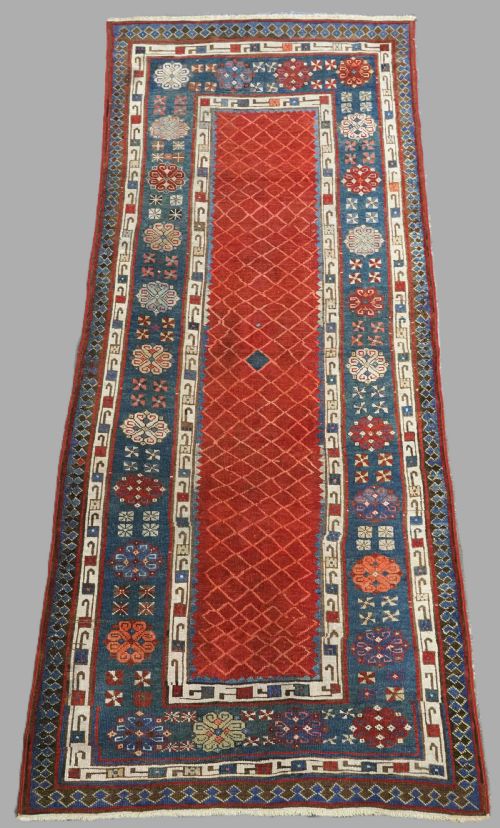
The most common examples on this page are antique tribal and village runners displaying geometric medallions, lattice patterns or repeating field designs. Lengths vary significantly, from compact apartment sizes to exceptionally long corridor carpets exceeding twenty or thirty feet. Origins stretch across Anatolia, the Caucasus and north-west Persia, reflecting distinct regional weaving cultures.
Materials and construction
Construction relies primarily on natural wool pile knotted onto foundational warps and wefts usually spun from cotton or wool. Weavers utilised sturdy organic fibres capable of withstanding heavy foot traffic in domestic environments over generations. The interaction of wool pile with traditional foundation materials creates the characteristic weight and drape of these historical floor coverings.
Dyes derived from natural sources interact with the wool fibres to develop nuanced patinas over decades of use and light exposure. Hand-knotting techniques secure the pile firmly to the structural grid, ensuring durability along narrow formats.
Wool Hallway Runner Rug Retail Price Guide 2026
Typical asking prices for wool hallway runner rug among the pieces listed under this phrase on Sellingantiques today, from the lower quarter to the upper quarter. They describe what is for sale here now, not the wider market.
Some surviving runners stretch past thirty feet, built to warm exceptionally long Victorian hallways where bare floorboards once demanded thick wool underfoot.
Assessing quality in antique runners
Quality in these textiles rests upon the density of the knotting and the precision of the drawn design along a narrow format. Finer knots allow for sharper geometric delineation and more intricate lattice or medallion work, whereas coarser weaving yields a bolder, simpler aesthetic.
The integrity of the foundation and the preservation of the original side cords and end finishes determine the structural soundness of a runner. Even wear across the wool pile without heavy foundation exposure indicates balanced historical usage in a hallway or landing.
The Wool Hallway Runner Rug Glossary
- Runner
- A long, narrow carpet format intended for corridors, staircases and hallways. It guides movement through domestic floor plans.
- Pile
- The upright yarn loops or cut ends that form the soft surface of the rug. It provides cushioning and displays the woven design.
- Warp
- The vertical foundation threads stretched tightly on the loom before knotting begins. The fringe typically consists of extended warp threads.
- Weft
- The horizontal threads passed across the warps between rows of knots to bind the structure together. It secures the pile firmly in place.
- Lattice
- A repeating grid network of diagonal lines spanning the field of the rug. It often encloses floral or geometric filler motifs.
Wool Hallway Runner Rug: Frequently Asked Questions
How do I choose the correct length?
Measure the clear floor space of your corridor, leaving an equal margin of bare floor visible around the perimeter of the textile.
Ensure doors can swing freely over the thickness of the wool pile without catching on the edges.
Where were these runners made?
Production centres include villages and nomadic regions across Persia, Anatolia, the Caucasus and Tibet.
Each weaving group utilised distinct wool types, colour palettes and geometric vocabularies unique to their specific geographic origin.
How do I care for antique wool?
Vacuum gently using a suction-only attachment without a rotating brush bar to protect the delicate pile and knotting.
Rotate the textile periodically to distribute foot traffic evenly along the length of the corridor.
What periods do these pieces span?
The inventory encompasses examples produced from the mid nineteenth century through the early decades of the twentieth century.
Stylistic shifts across these decades trace the evolution of traditional tribal and village weaving workshops.