


Hand Embroidered Throw
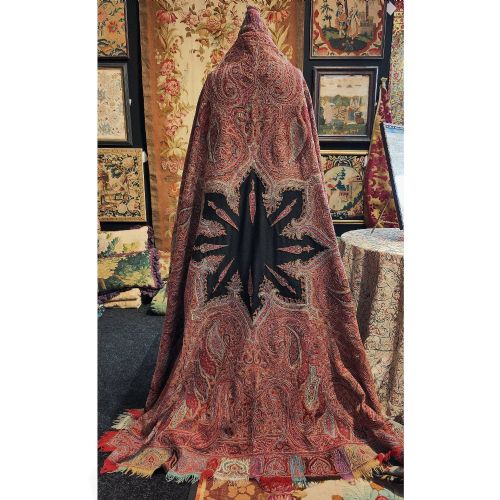
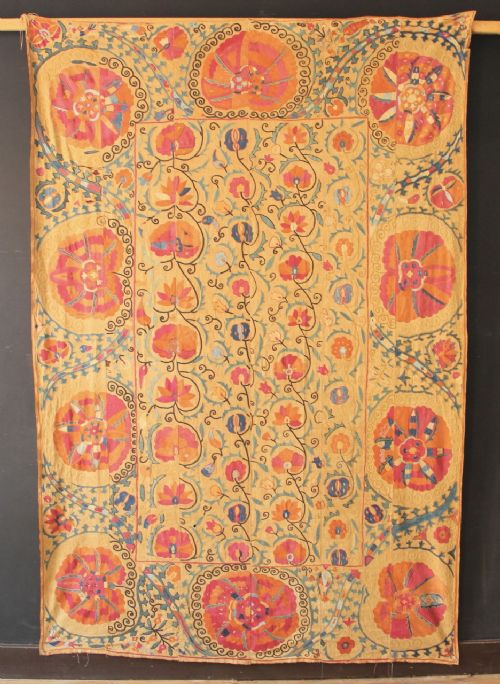
A hand embroidered throw brings tactile depth and rich pattern into a room, spanning Central Asian Suzanis and Kashmiri shawls.
Hand Embroidered Throw
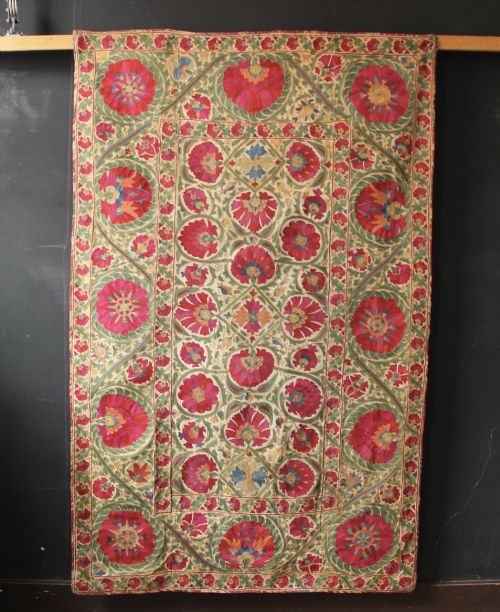
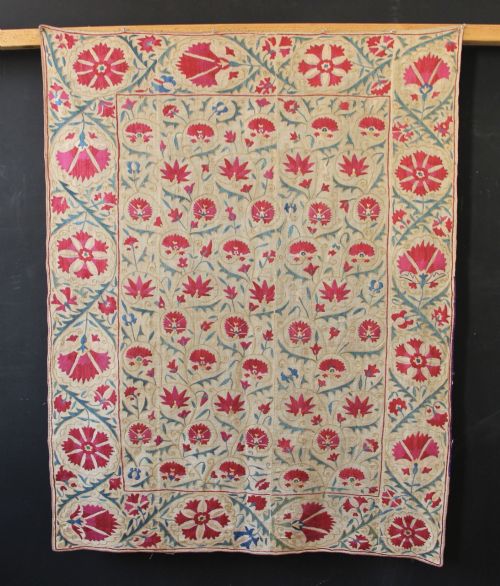
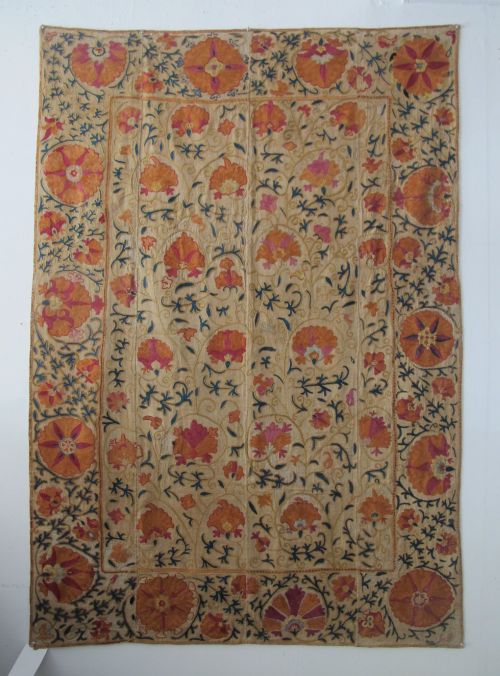
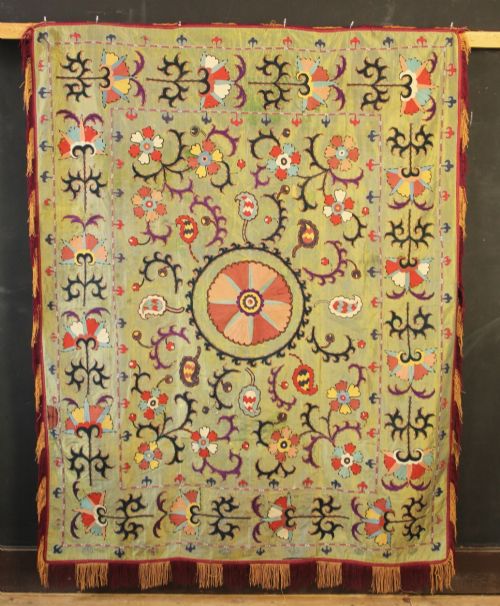
When searching for a hand embroidered throw, collectors encounter traditional Central Asian and South Asian textiles created for domestic and ceremonial use. These pieces range from large wall hangings and bedcovers to smaller decorative panels and shawls.
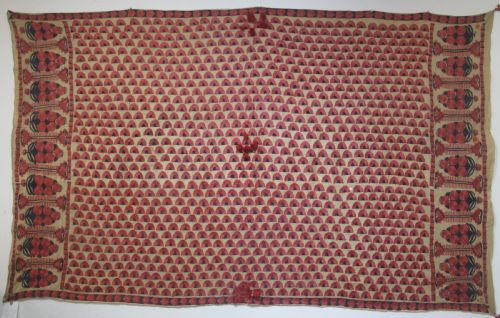
The selection on this page relies heavily on nineteenth and early twentieth century examples originating from regions such as Uzbekistan, Bokhara, Tashkent, and Kashmir. Buyers frequently meet Suzani embroideries worked in distinct regional styles alongside woven and embroidered wedding shawls.
These textiles function effectively as decorative covers, bedspreads, or wall displays, introducing rich colour palettes and historic craftsmanship into contemporary interiors.
Materials and construction
Makers utilised natural plant and animal fibres, executing needlework primarily with fine silk thread on foundational grounds of cotton, linen, wool, or adras silk-cotton blends. Certain regional pieces employ velvet or pashmina as the primary textile base.
The embroidery techniques involve dense needlework stitches executed by hand, creating complex floral motifs, central medallion variants, and geometric tribal designs across the surface.
Regional attributions in the current selection include Bokhara, Tashkent, Samarkand, Kashmir, and Sindh.
Assessing quality and execution
The refinement of a hand embroidered throw depends on the density of the needlework and the complexity of the design, with fully embroidered panels representing a high standard of craftsmanship. The precision of the silk thread placement and the vibrancy of the remaining colour palette also distinguish finer examples.
Condition plays a role in evaluation, as pieces retaining stable ground fabrics and intact historic embroidery demonstrate careful preservation over time.
The Hand Embroidered Throw Glossary
- Suzani
- An embroidered tribal textile originating from Central Asia, traditionally worked in silk thread on a cotton or linen ground. These pieces often feature large floral medallions and were historically created as part of a bride's dowry.
- Nim Suzani
- A smaller scale version of the traditional Suzani embroidery. These compact textile panels measure roughly half the dimensions of full size covers.
- Palak
- A fully embroidered Tashkent Suzani style dominated by a central star motif and dense background needlework. This type covers the entire ground fabric in silk stitches.
- Adras
- A traditional handwoven ikat fabric made from a blended warp of silk and a weft of cotton. It frequently serves as the foundational ground for Central Asian embroidery.
- Amli rumal
- An embroidered Kashmiri shawl or square textile worked with fine multicoloured threads. These pieces demonstrate traditional South Asian needlework techniques from the nineteenth century.
Hand Embroidered Throw: Frequently Asked Questions
How were antique Suzanis used originally?
These textiles served multiple domestic and ceremonial functions within Central Asian households. Families used them as wall hangings, bedcovers, and wrapping cloths for bedding.
They also formed a central part of a bride's dowry, representing wealth, status, and wishes for prosperity within the household.
Can I use these antique textiles as daily throws?
Historic embroideries require gentle handling to preserve the delicate silk threads and older ground fabrics. Placing them on guest beds or using them as decorative wall art minimises physical wear.
Avoid high traffic seating areas where friction might damage the antique silk embroidery.
How do I identify a Tashkent Suzani?
Tashkent pieces often display distinct design structures, including the fully worked Palak variant featuring a prominent central star. The embroidery covers large portions of the ground fabric in dense floral patterns.
Regional attribution relies on these specific compositional layouts and the distinct characteristics of the needlework.
What is the difference between a Suzani and a shawl?
Suzanis are typically larger decorative covers or wall hangings made in Central Asia with silk embroidery on cotton or linen grounds. Kashmiri and Sindh shawls focus on wearable garments and shoulder wraps created with fine wool, pashmina, or silk.
Both categories utilise intricate hand embroidery but serve entirely different historical functions.