
Hand Carved Sculpture
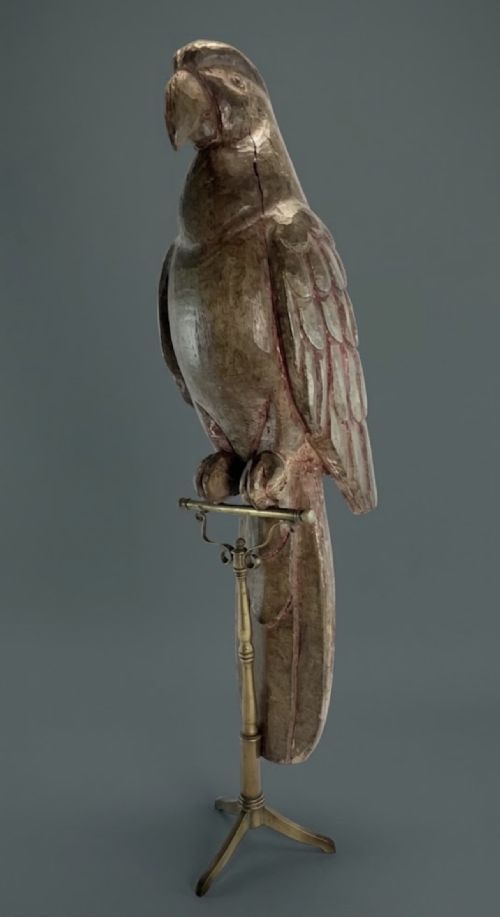
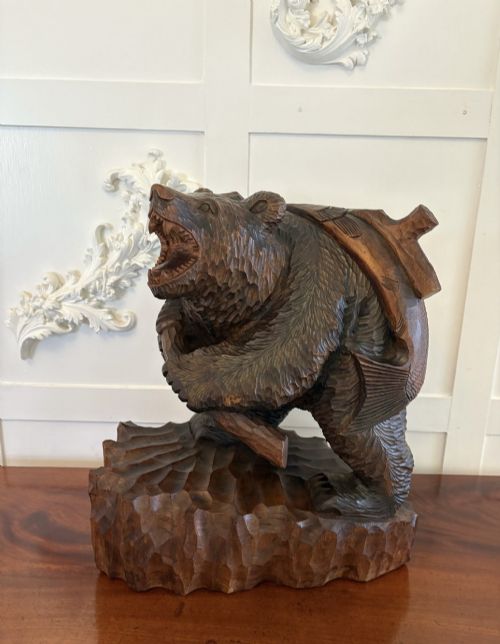
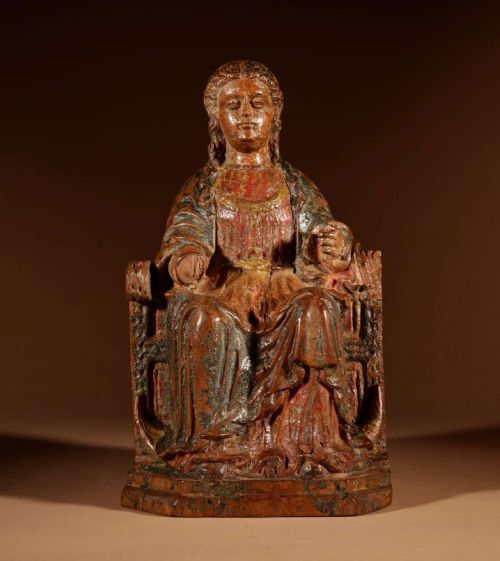
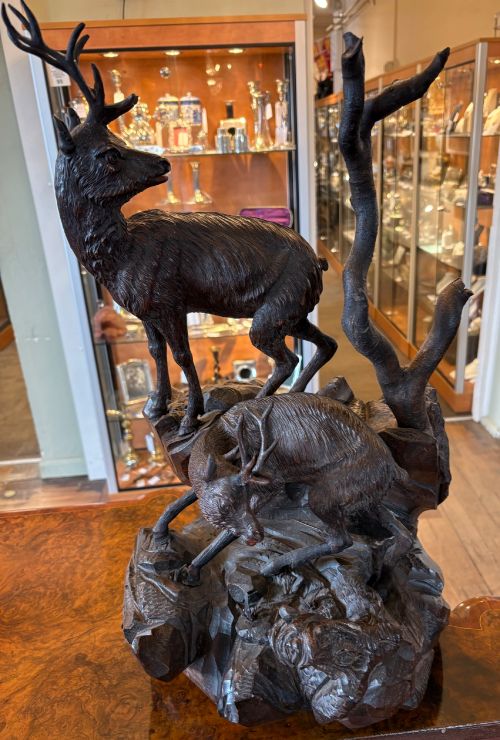
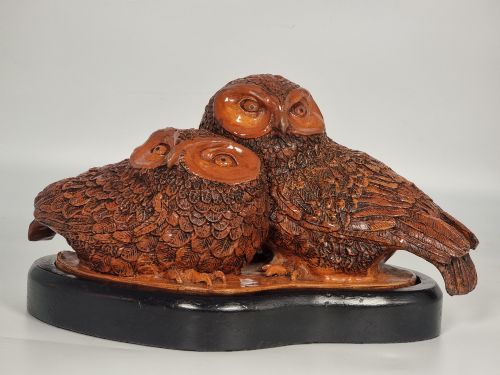
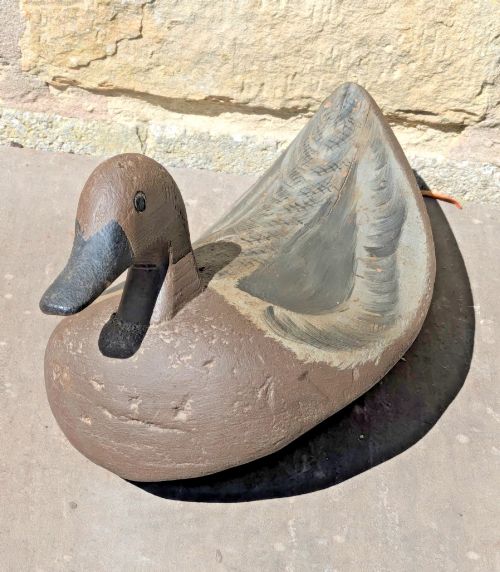
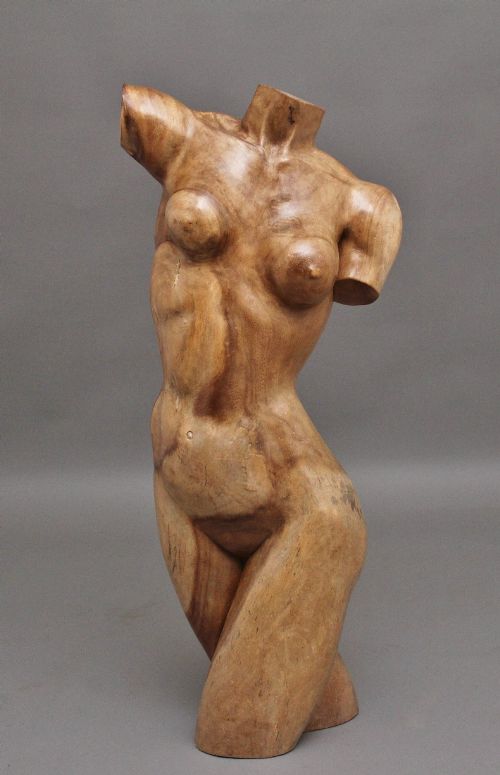
These hand carved sculpture examples range from Black Forest animals and folk art decoys to devotional figures spanning several centuries.
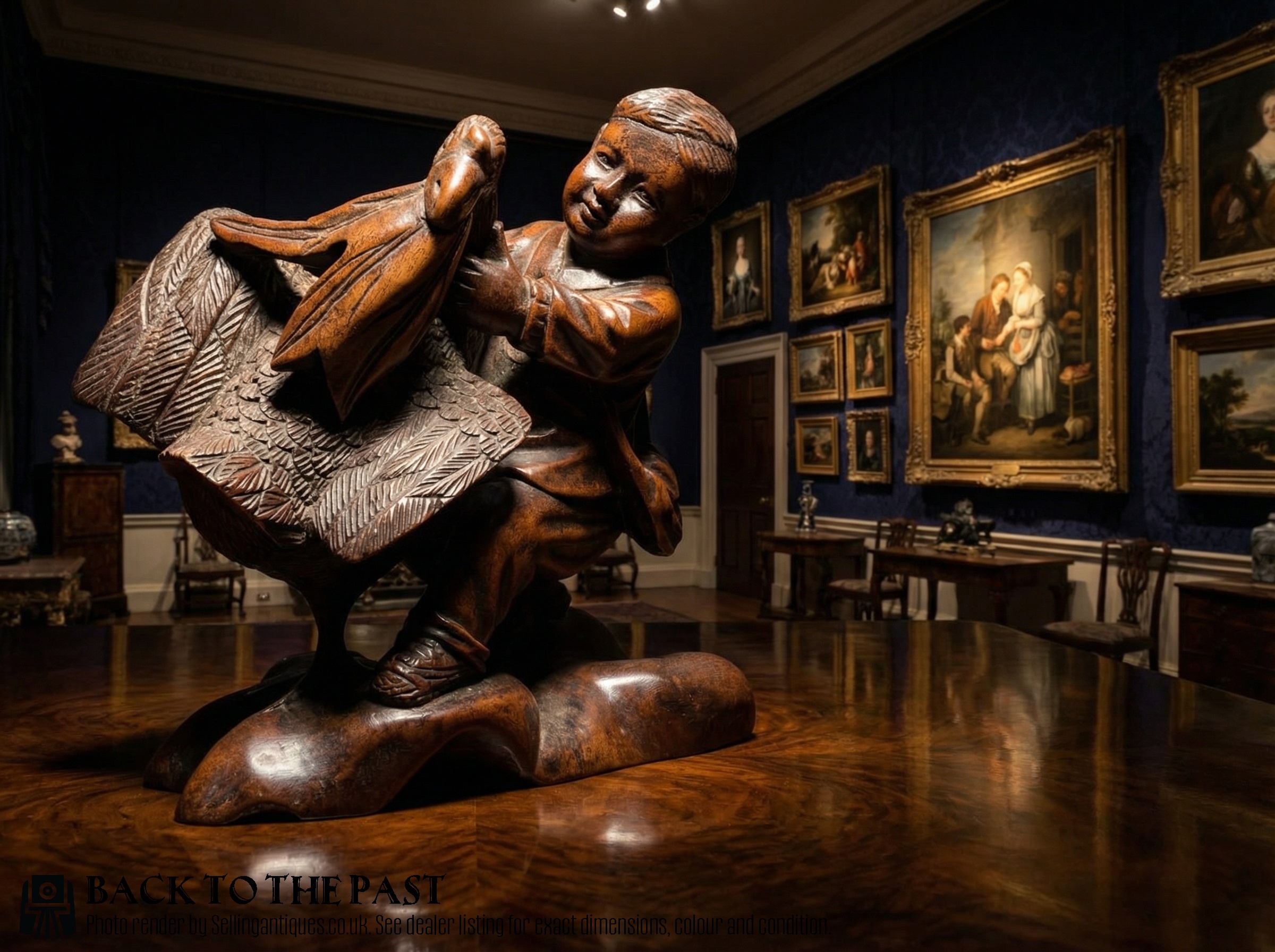
Hand Carved Sculpture
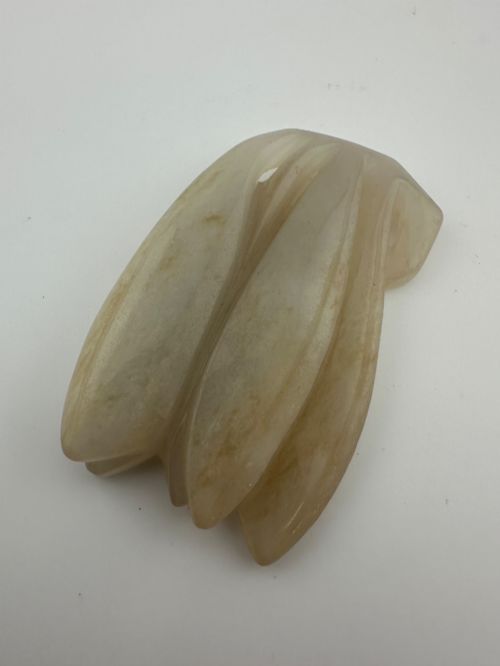
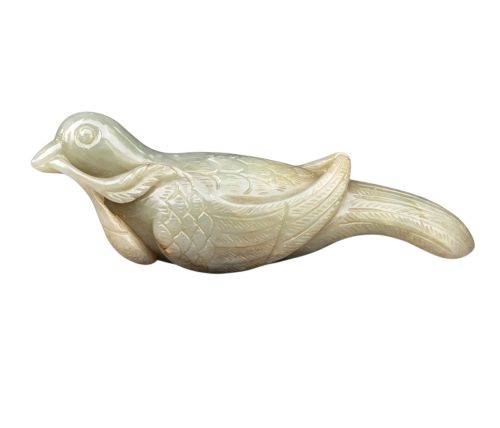
When you search for hand carved sculpture, you encounter a diverse gathering of objects shaped primarily from wood, alongside selected pieces in jade, pottery and stone. The selection encompasses figurative representations, animal studies and decorative reliefs created across Europe, Asia and Africa.
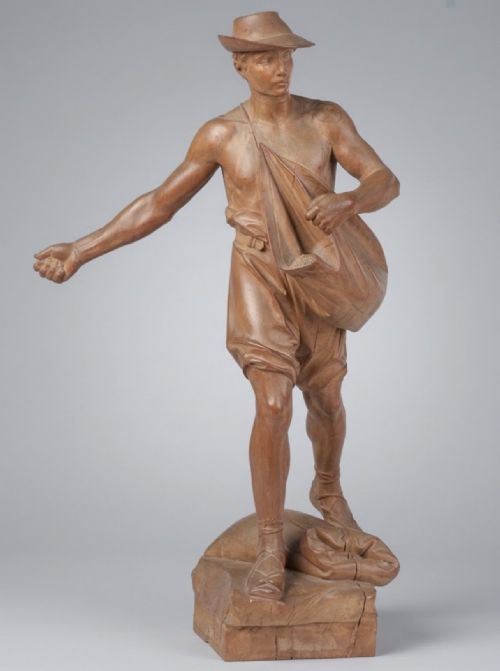
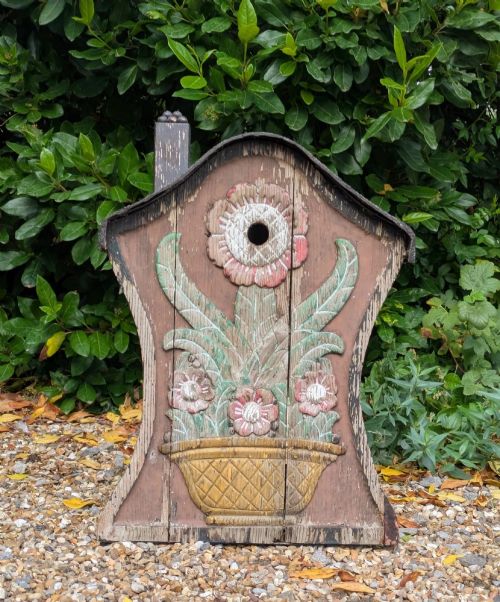
Most pieces you meet on this page originate from the nineteenth and early twentieth centuries, though earlier examples from the seventeenth and eighteenth centuries appear. Forms vary from practical decoy ducks and architectural panels to intricate netsuke and life-sized human figures.
Materials and Techniques
Wood serves as the primary medium, with artisans utilising specific timbers such as limewood, walnut, oak, fruitwood and hardwood depending on the regional tradition and the level of detail required. Carvers employ chisels and gouges to shape the material, sometimes adding gesso and paint to finish the surface.
Certain items incorporate applied colour, lacquer or metal components, while others rely entirely on the natural grain and texture of the carved wood. The execution ranges from bold folk art blocking to finely detailed academic studies signed by the maker.
The inventory spans the seventeenth, eighteenth, nineteenth and twentieth centuries.
Assessing Quality
The standard of a hand carved sculpture rests upon the surety of the carving and the life present in the form. Superior pieces demonstrate anatomical conviction and a sensitive handling of the material, whether portraying an animal, a human figure or a decorative motif.
Pieces executed with expressive depth and confident tool work stand apart from rigid or purely mechanical production. The distinction lies in the maker's ability to translate the subject into three dimensions with character and balance.
The Hand Carved Sculpture Glossary
- Black Forest
- A style of wood carving originating from the mountain regions of Central Europe, typically depicting animals and local figures in limewood.
- Decoy
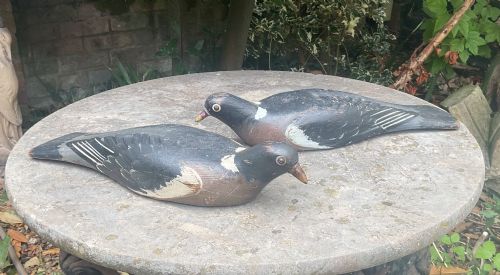
- A carved and painted wooden bird or animal utilised historically to attract wildlife, now collected as folk art.
- Netsuke
- A small Japanese toggle carved from wood or other materials, traditionally used to secure a pouch or basket to a kimono sash.
- Corpus Christi
- A representation of the body of Jesus Christ on a cross, frequently carved in wood during earlier centuries for devotional use.
Hand Carved Sculpture: Frequently Asked Questions
What periods do these sculptures date from?
The listings include works spanning several centuries, ranging from seventeenth-century devotional carvings to nineteenth-century animal studies and twentieth-century folk art.
Most examples originate from the nineteenth and early twentieth centuries, reflecting diverse regional traditions across Europe and Asia.
How do I identify Black Forest carvings?
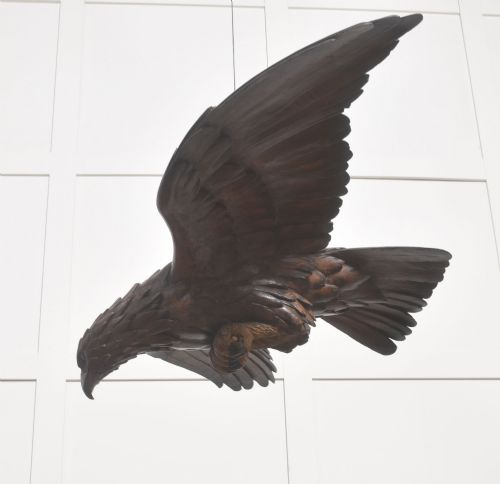
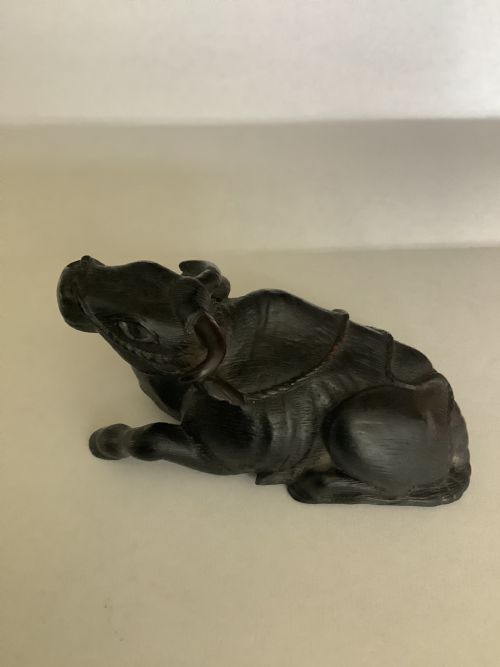
Black Forest carvings are typically rendered in limewood and often depict bears, birds, or mountain goats with naturalistic textures. These pieces originated from the forested regions of Switzerland and Germany during the nineteenth century.
The carving style prioritises lifelike poses and detailed fur or feather rendering.
Are decoy ducks considered sculpture?
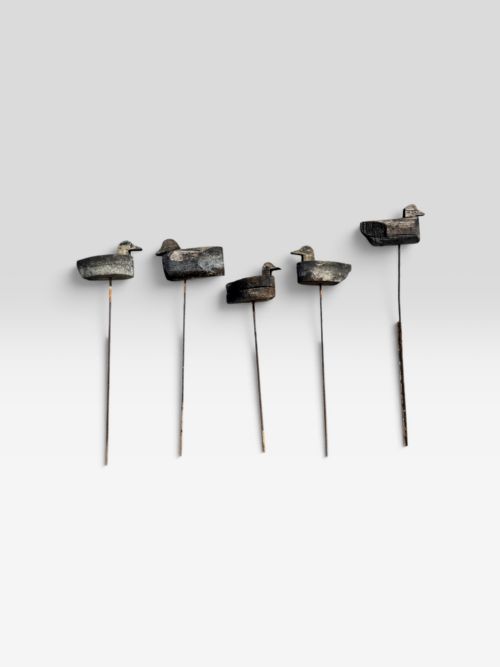
Decoy ducks function as working folk art pieces carved from wood and finished with hand-painted details. Makers produced them for practical use on the water, giving them sculptural presence through simple, robust forms.
Over time, collectors have come to appreciate them as sculptural objects in their own right.
What woods were commonly used by carvers?
Carvers selected timbers based on availability and working properties, utilising limewood for intricate European animal studies and fruitwood or walnut for figures. Oak and chestnut appear in earlier architectural panels and religious reliefs.
Each wood dictates how fine the final detail can be carved.