

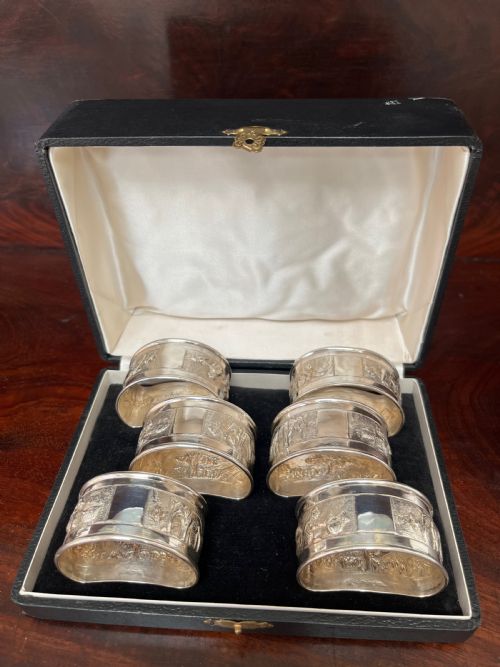
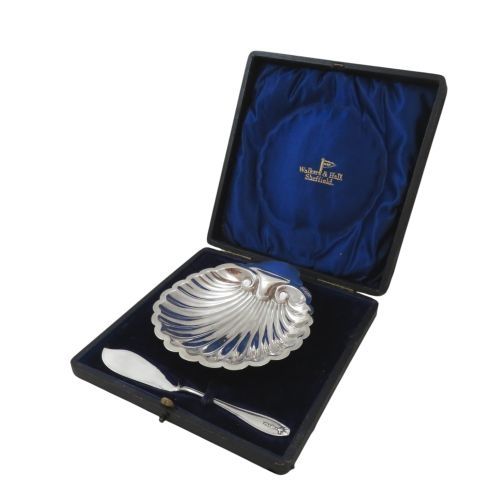
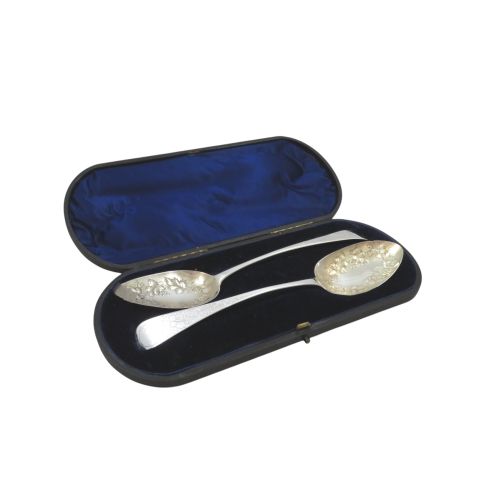
Hallmarked Silver Case
A hallmarked silver case preserves personal treasures, from calling cards and sovereigns to delicate timepieces, forged by master silversmiths across the Victorian and Edwardian eras.
Hallmarked Silver Case
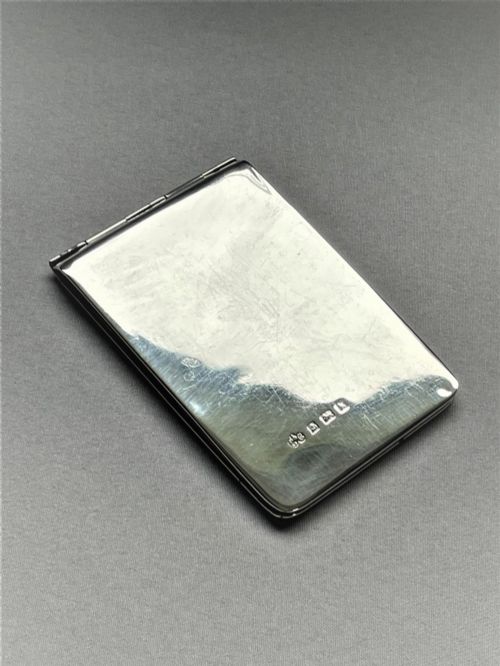
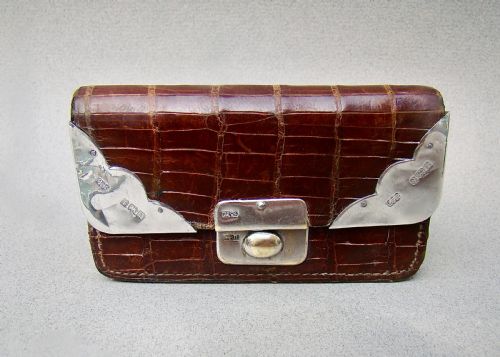
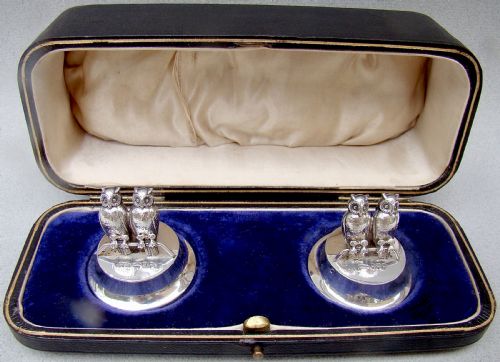
A hallmarked silver case encompasses a diverse array of protective containers designed for daily utility and personal adornment, including card holders, sovereign purses, vesta cases, and fitted dressing boxes. These pieces reflect the rigid social conventions and refined tastes of the late nineteenth and early twentieth centuries, where personal items required secure, decorative housing. Buyers searching for a hallmarked silver case frequently encounter pocket-sized vestas and card cases from the Victorian and Edwardian periods, alongside larger fitted dressing and jewellery boxes.
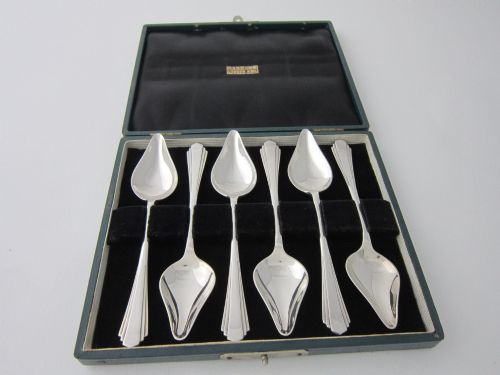
The objects span from the ornate, scroll-engraved novelties of the 1880s to the clean, geometric lines of Art Deco designs in the subsequent decades. While many items served strictly utilitarian purposes like carrying matches or currency, others formed part of elaborate presentation sets for christenings or dining. The survival of these containers often depends on the quality of their original construction and the care taken by successive owners over generations.
Materials and construction techniques
Silversmiths utilised sterling silver as the primary structural medium, often shaping the metal through pressing, stamping, and meticulous hand-engraving. Interiors frequently feature gilding known as silver gilt, alongside linings of velvet, silk, or leather to cushion fragile contents such as instruments or glass scent bottles. Leather and crocodile skin also appear as exterior coverings or complementary protective housings for fitted sets and travel clocks.
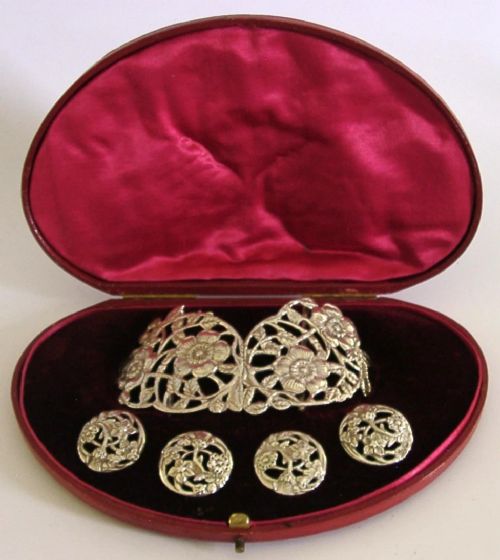
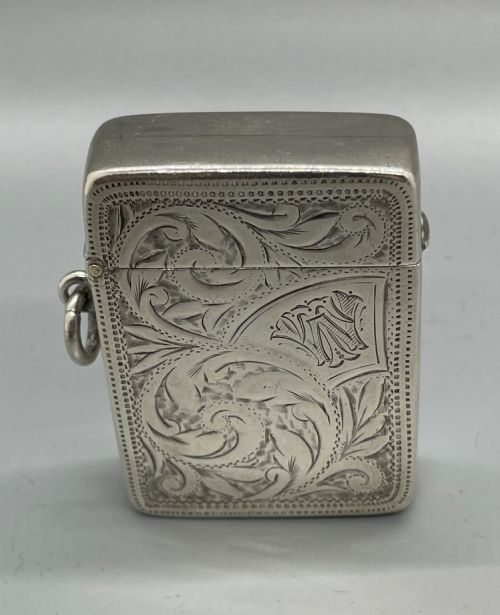
Makers applied specialised techniques like engine-turning, repoussé, and chased acanthus scrollwork to decorate the exterior surfaces. Hinges, push-button catches, and spring-loaded lids required precise engineering to ensure flush closures and daily functional durability. Hallmarks stamped directly into the metal provide an official record of the assay office, standard of purity, and year of manufacture.
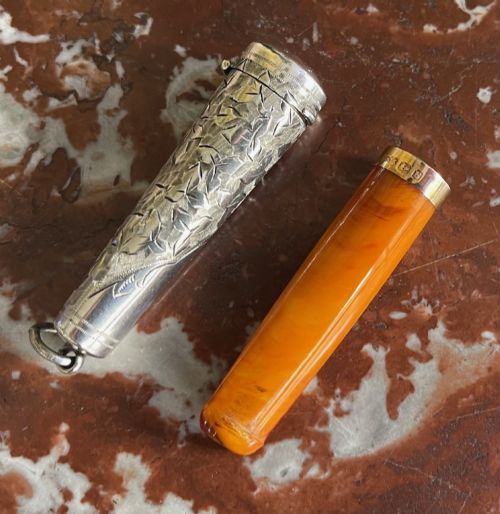
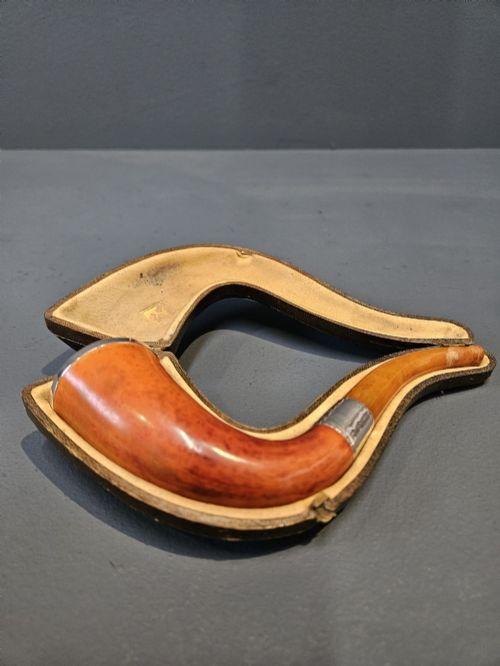
Listings feature sterling silver items alongside velvet, silk, leather, glass, and amber elements produced across Victorian and Edwardian periods.
Distinctions in craftsmanship and design
Superior examples demonstrate crispness in the hand-chased ornamentation and structural rigidity in the hinges and lids, avoiding the looseness seen in lesser items. The inclusion of specialised mechanical elements, such as combination sovereign and vesta compartments or fully fitted velvet interiors, elevates a piece within the historical range. Maker attribution also plays a role, with goods originating from celebrated workshops commanding distinct recognition for their execution.
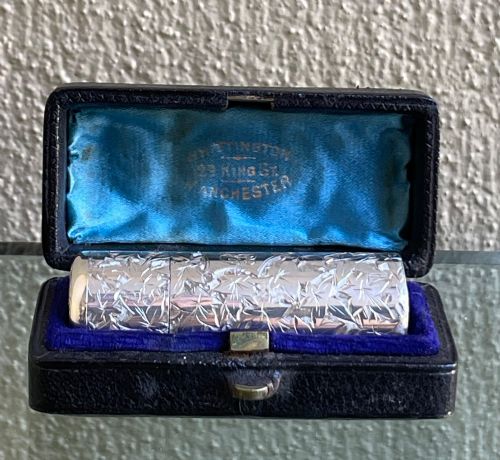
The depth and clarity of the official hallmarks provide an immediate indication of a piece's pedigree and the preservation of its original surface details. Pieces retaining their original fitted leather cases or accompanying silk-lined boxes show a higher degree of initial investment and subsequent preservation. Wear to the internal linings and softening of the exterior engraving through excessive polishing distinguish heavily used items from those kept as display pieces.
Charles Penny Brown·Aaron Lufkin Dennison·Levi and Salaman·Howard James·EV Pledge and Son·Horton and Allday·Sampson Morden·Colen Hewer Cheshire·Henry Matthews·Lanson Ltd·Wm Adams Ltd·Abrahall and Bint·Adie and Lovekin Ltd·Mappin and Webb·Viners Ltd·AB Savory and Sons·Roberts and Belk·Joseph Whitten·Allen and Darwin·Nathaniel Mills
The Hallmarked Silver Case Glossary
- Vesta case
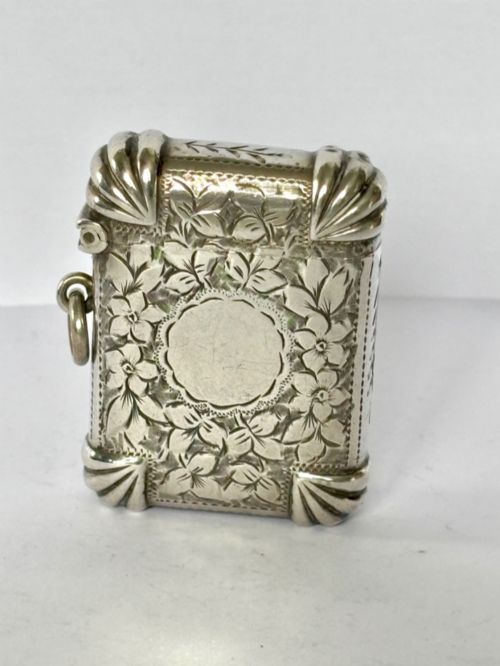
- A small portable box designed to hold matches, typically fitted with a striking serrated base. These items were widely carried in pockets or attached to chatelaines before the widespread adoption of safety matches.
- Hallmark
- An official stamp or series of marks applied to precious metals to indicate the standard of purity, the assay office of origin, and the year of production. These stamps serve as an essential tool for dating antique silver.
- Sovereign case
- A specialised circular container engineered to hold British gold sovereign and half-sovereign coins securely. Many feature internal spring mechanisms to dispense coins individually.
- Chatelaine
- A decorative belt hook worn by women from which suspended chains carried useful domestic items such as scissors, watches, and small silver cases. This accessory kept essential tools immediately accessible.
- Repoussé
- A metalworking technique where the artisan hammers the silver from the reverse side to create a raised design in relief on the front. This method allowed for tactile, three-dimensional floral and scroll patterns.
Hallmarked Silver Case: Frequently Asked Questions
What is a vesta case used for?
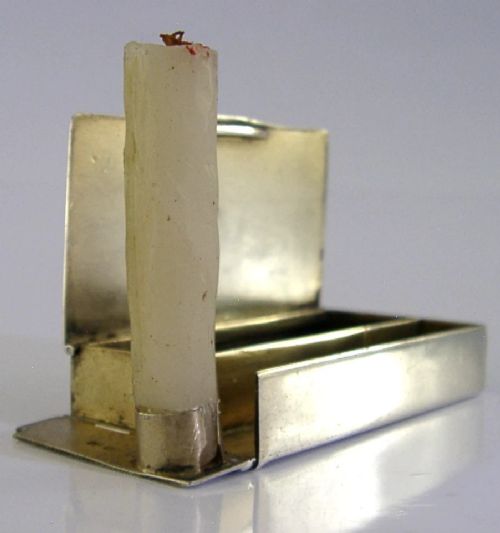
A vesta case was designed to hold and protect matches, known historically as vestas, while keeping them dry in a pocket or handbag. The base often featured a ridged friction surface for striking the match upon removal.
These portable containers became essential accessories in the nineteenth century as smoking habits spread and personal carriage of matches grew commonplace. Wealthy individuals often carried silver or gold versions decorated with intricate engraving or novelty shapes.
How do I read silver hallmarks?
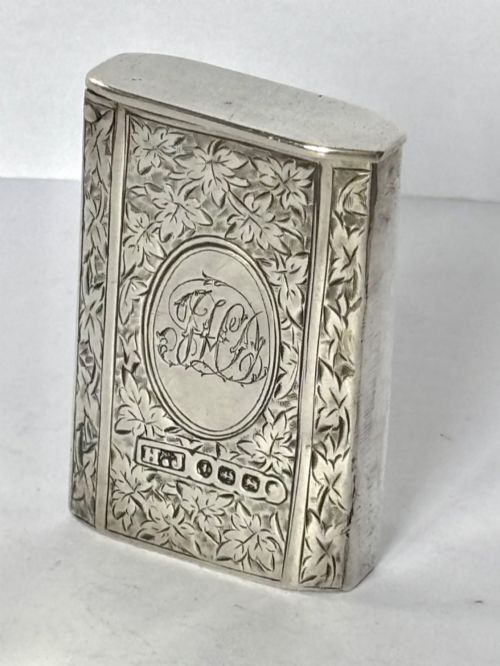
Silver hallmarks typically comprise a series of small stamped symbols indicating the maker's mark, the standard of purity, the assay office, and a date letter corresponding to the year of assay. These official stamps provide a secure method for verifying the origin and age of British silver.
Different cities, such as Birmingham, London, and Chester, maintained distinct assay office symbols like an anchor or leopard's head. Reference guides match the specific letter punch to historical records to pinpoint the exact year of manufacture.
What are card cases used for?
Card cases held engraved visiting cards that Victorians and Edwardians exchanged during formal social calls and calls of politeness. Leaving a card signified a visit had been paid when the host was not at home.
Etiquette dictated strict rules regarding the condition and delivery of these cards, making a protective silver case necessary. The slim containers prevented the paper cards from bending or soiling within pockets or carriages.
How should I clean antique silver?
Antique silver should be cleaned gently using a specialised non-abrasive silver polish and a soft cloth to remove tarnish without wearing away the underlying detail. Harsh chemical dips strip the historical patina and can damage delicate engraved lines or gilding.
Frequent washing in mild soapy water is often sufficient for daily maintenance of items without deep tarnish. Preserving the dark accents in recessed engravings enhances the visibility of the original maker's decorative work.