


Edwardian Tobacco Accessories
Edwardian tobacco accessories are gentleman's smoking requisites that collectors seek for their fine period craftsmanship and utility.
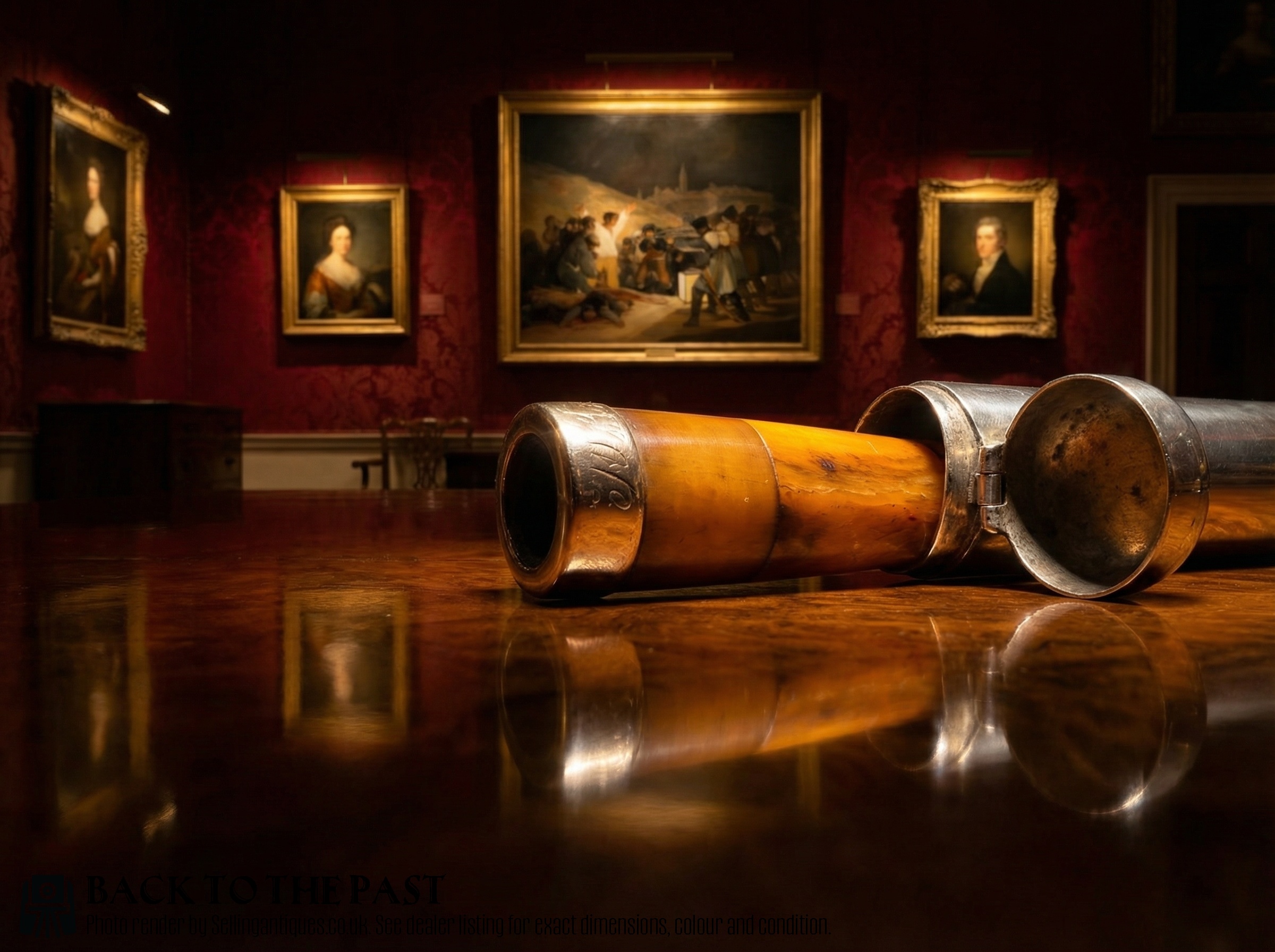
Edwardian Tobacco Accessories
When you search for edwardian tobacco accessories, you are looking at items designed for storing, cutting, lighting, and carrying tobacco, cigars, and cigarettes. The selection on this page centres on the Edwardian period alongside Victorian and later pieces, spanning forms from the early 1900s.
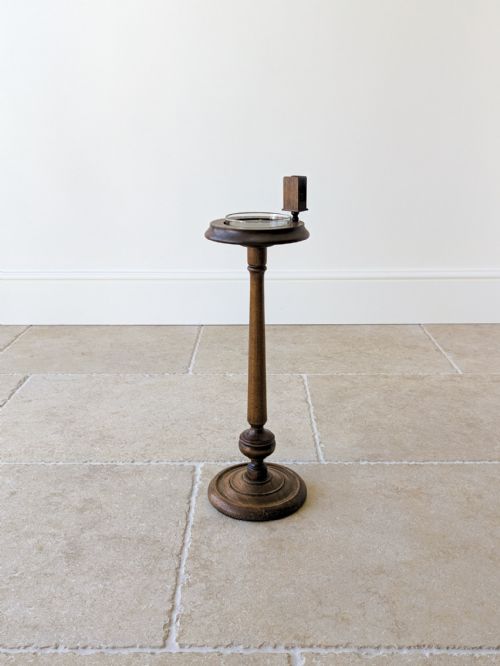
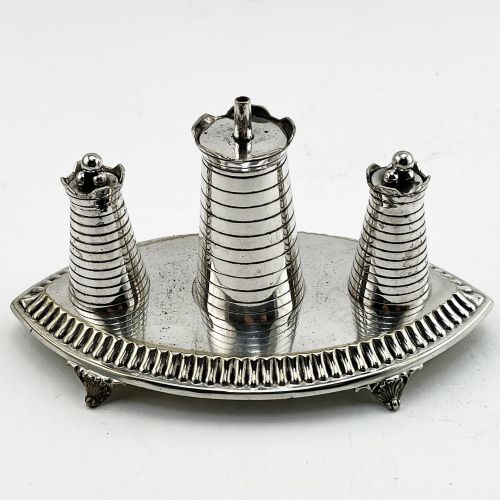
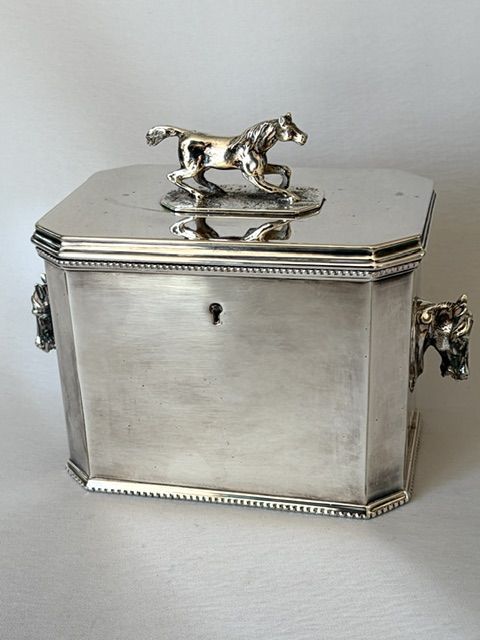
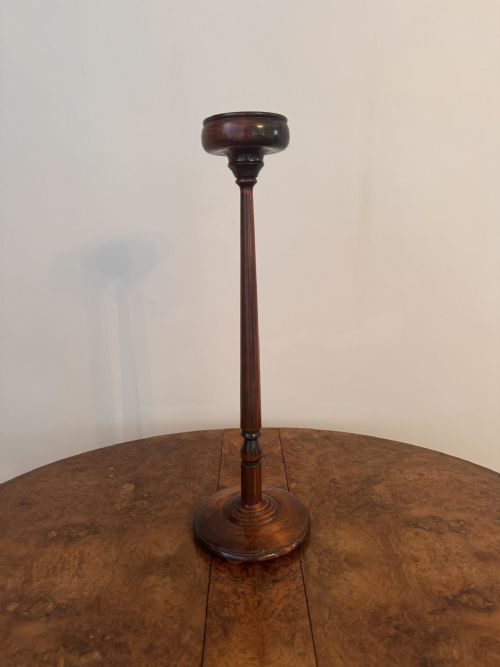
You are most likely to meet silver cigar cases, mahogany smoking stands, and table lighters. These encompass floor-standing smokers stands, desktop tobacco boxes, cabinets, and pocket humidors.
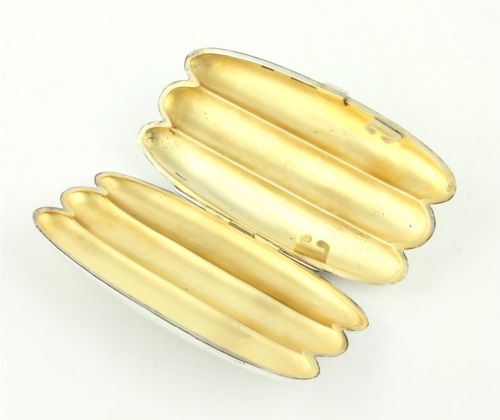
The materials reflect the tastes of the era, combining fine cabinet woods with precious metals and leather. Items range from portable cheroot cases to substantial floor-standing cabinets meant for the smoking room.
How they were made
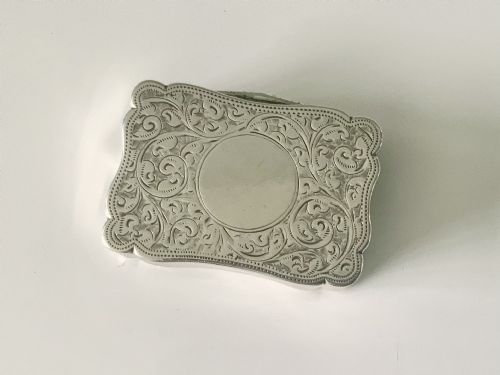
Makers shaped sterling silver and silver plate into squeeze boxes, cigar tubes, and lighter bodies, often working with hallmark dates from London, Birmingham, Sheffield, and Chester. Metalwork frequently utilised hinge mechanisms, squeeze openings, and mechanical tobacco cutters.
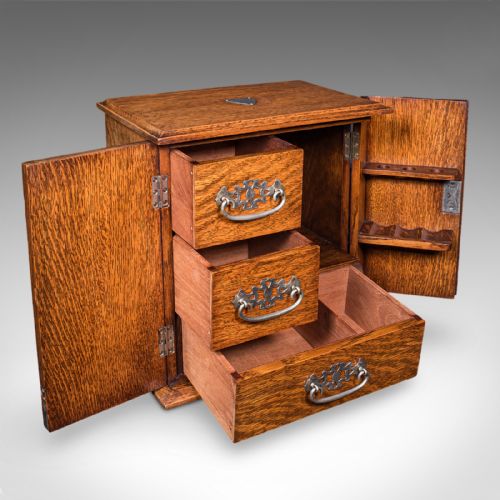
Woodworkers used mahogany and burr walnut to construct floor-standing smoking stands and locking gentleman's cabinets. These pieces incorporated fitted interiors, panelled doors, and turned supports appropriate for domestic smoking rooms.
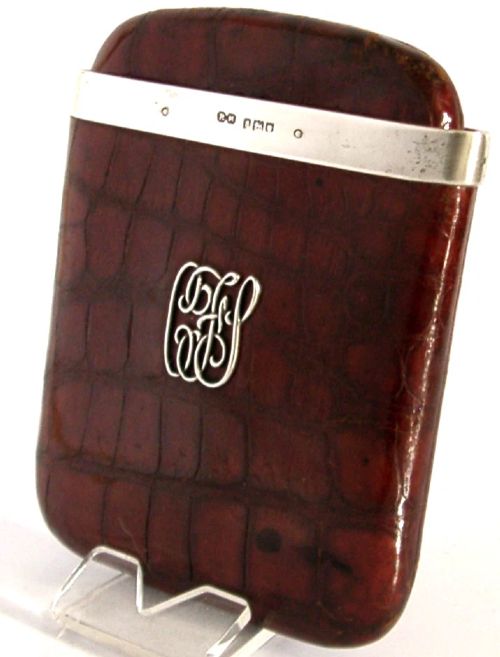
Listings feature items spanning the Victorian and Edwardian eras up to 1920, fashioned in sterling silver, mahogany, crocodile leather, and brass.
What varies in quality
The distinction between tiers rests upon the choice of materials and the complexity of the mechanism. Solid sterling silver enclosures and fitted burr walnut or mahogany cabinets sit at the upper end, while silver-plated items and simpler metal forms represent more utilitarian production.
Intricacy of design and branding also dictate standing. Pieces bearing recognised silversmith marks or specific novelty themes, such as equestrian ornamentation or crocodile skin leather, demonstrate higher levels of original commissioning.
Mappin and Webb·Zimmerman
The Edwardian Tobacco Accessories Glossary
- Sterling silver
- A silver alloy containing 92.5 percent pure silver by mass, widely used in Edwardian pocket cases and boxes. It carries hallmarks indicating the assay office and year of testing.
- Silver plate
- A base metal coated with a thin layer of silver, utilised for table lighters and cigar boxes. This method provided the appearance of solid silver at a lower cost.
- Cheroot
- A cylindrical cigar with both ends cut square, popular during the period and housed in specialised slender cases. They required specific holders made from amber, gold, and silver.
- Humidor
- A moisture-controlled box or case designed to keep cigars fresh, seen here in pocket tube formats and desktop boxes. Proper humidity preservation was essential for quality tobacco storage.
- Smokers stand
- A freestanding piece of furniture designed to hold smoking paraphernalia, ash trays, and tobacco supplies. They are typically fashioned from mahogany or other hardwoods.
Edwardian Tobacco Accessories: Frequently Asked Questions
What are edwardian tobacco accessories?
These are items created for the storage, preparation, and consumption of tobacco during the early twentieth century. They include pocket cases, desktop boxes, and furniture.
Collectors prize them for their period materials and mechanical ingenuity, reflecting the social habits of the era.
How were smoking stands used?
Floor-standing smokers stands held pipes, tobacco, matches, and ash trays within easy reach in a smoking room or study. They kept the gentleman's requisites organised in one dedicated location.
Many featured built-in cabinets or shelves to secure the contents when not in use.
What materials were used?
The pieces utilise sterling silver, silver plate, brass, nickel silver, and glass alongside woods like mahogany and burr walnut. Crocodile skin leather was also employed for outer wraps on cigar cases.
Precious metals often carry hallmarks that date the item precisely.
How do I identify an Edwardian piece?
Dating relies on hallmarks stamped into silver items, combined with stylistic cues typical of the period around 1900 to 1910. Cabinetry styles and construction methods also point towards Edwardian or late Victorian manufacture.
Comparing the recorded assay marks with official registers provides an exact year of creation.