
Hall Table with Brass
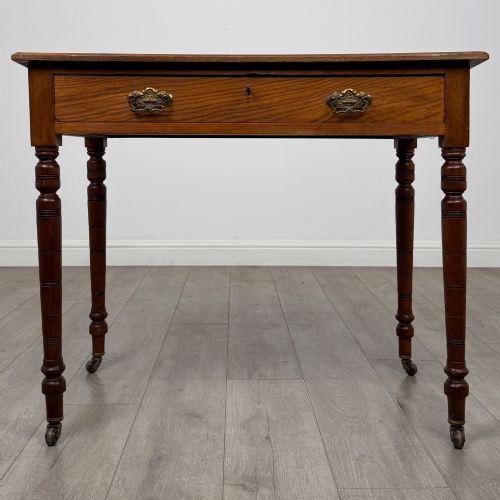
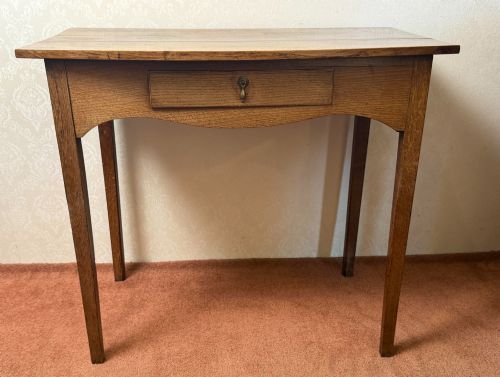
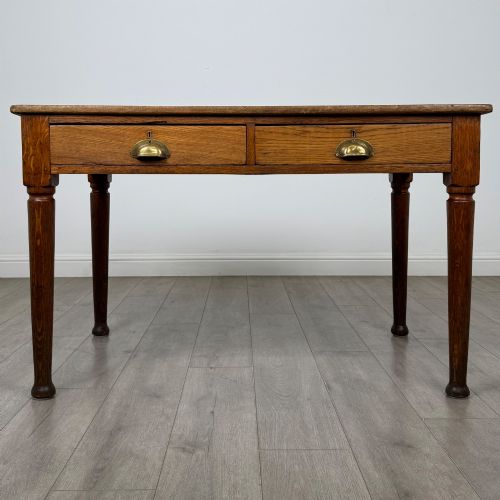
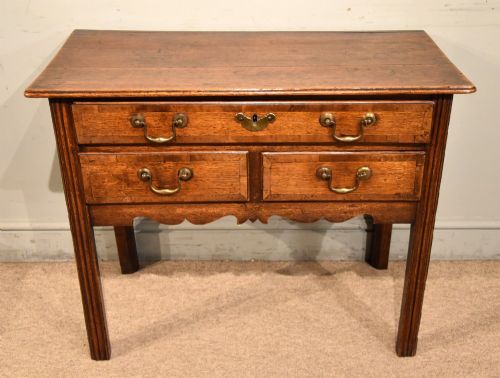
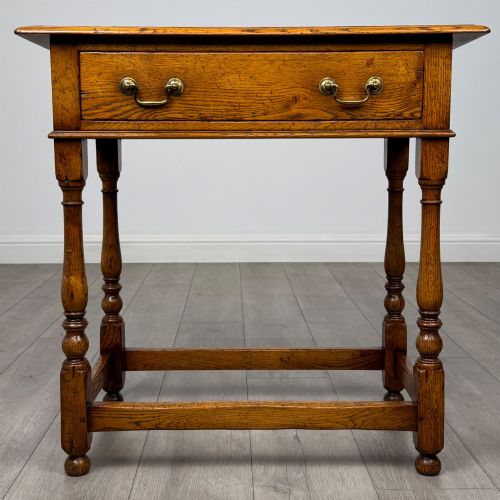
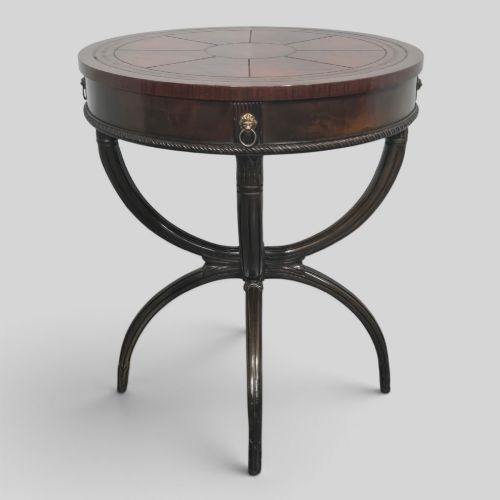
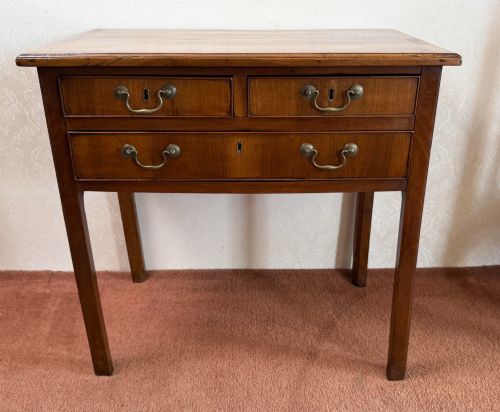
These pieces gather practical storage and surface space together with metal mounts and handles, offering a hall table with brass details.
Hall Table with Brass
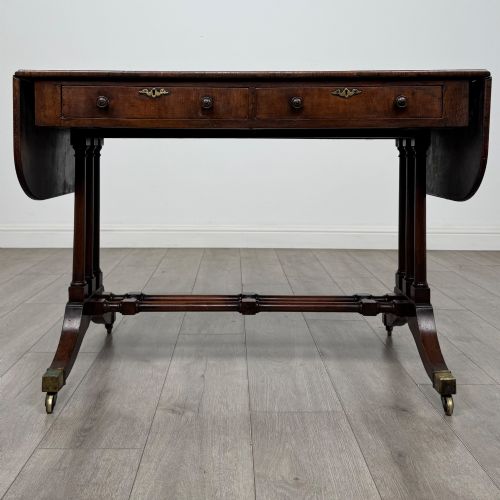
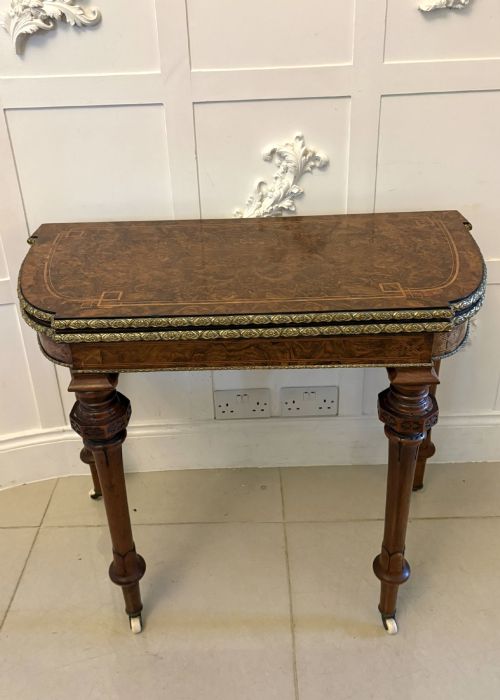
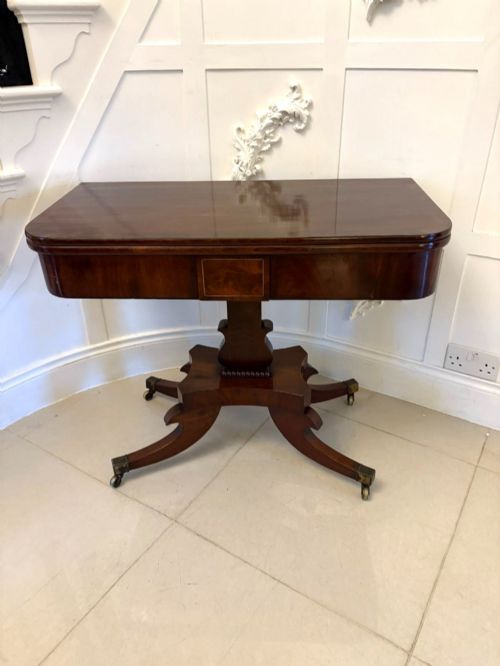
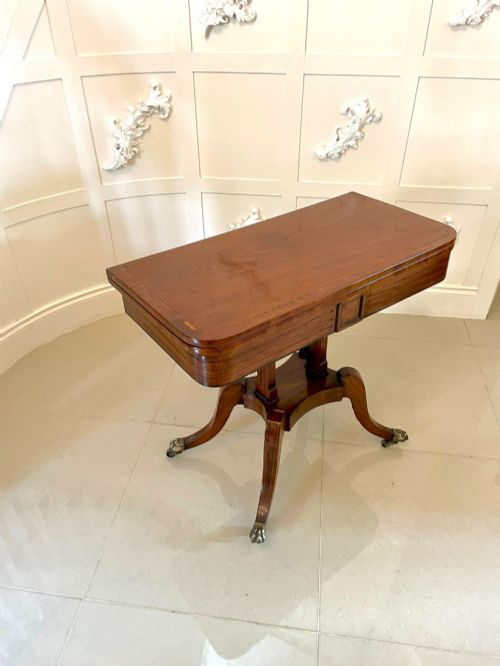
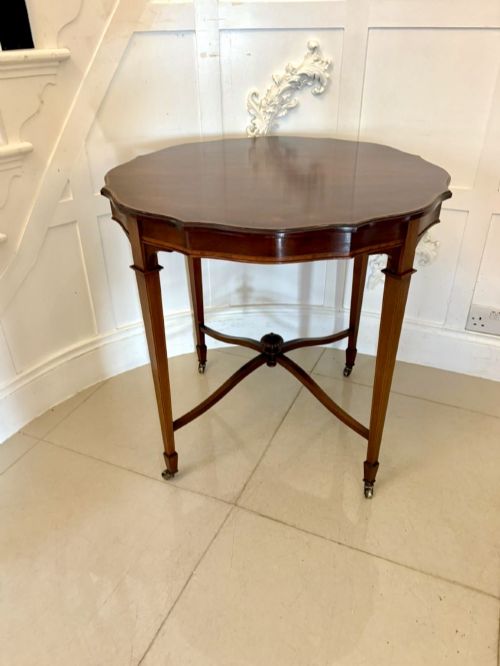
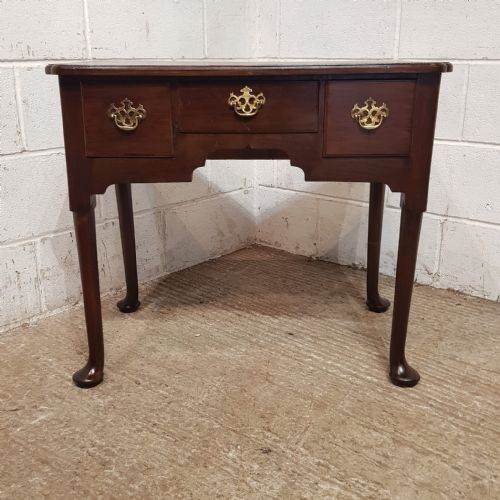
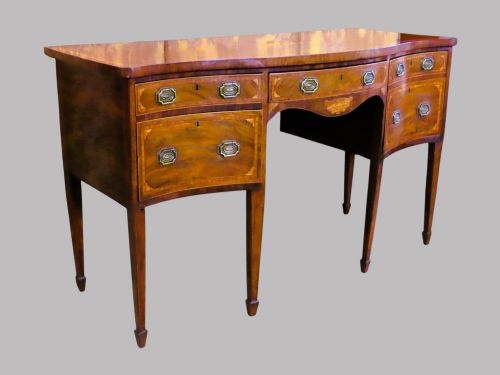
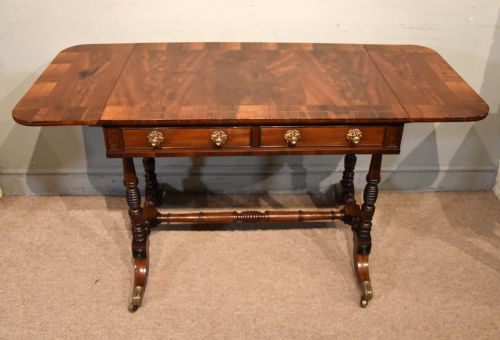
A hall table with brass takes several distinct structural forms, spanning side tables, lowboys, writing tables, and sofa tables. These pieces originate from periods ranging across the eighteenth and nineteenth centuries, taking in Georgian, Regency, and Victorian eras.
Oak and mahogany form the foundation of most examples, complemented by rarer timbers like burr walnut, amboyna, and satinwood. Many feature integrated drawers fitted with original metal handles or knobs, while others incorporate cast mounts.
Victorian and Georgian pieces dominate the selection, showing how domestic furniture evolved to suit entrance halls and reception rooms. Simpler country iterations sit alongside grander urban designs decorated with inlay and Ormolu.
Construction and Materials
Cabinetmakers constructed these tables using dense hardwoods such as oak and mahogany, frequently selecting secondary timbers like deal or pine for interior drawer linings. Timber selection dictated the structural stability of each frame, supporting heavy tops of marble, stone, or polished wood.
Metal components, including cast brass handles, knobs, sabots, and ormolu mounts, were secured directly to the wooden bodies using period fixings. Inlay work, painted satinwood finishes, and ebonised details applied decorative contrast to the primary timber surfaces.
Historical periods represented in the archive span the Georgian, Regency, Victorian, and Edwardian eras.
Craftsmanship and Proportion
Superior examples display precise joinery in the drawer construction, often utilising hand-cut dovetails and matching secondary woods like oak linings. The selection of timber grain, particularly in figured veneers such as burr walnut or amboyna, marks the distinction between standard production and exceptional workshop output.
The integration of metal elements separates workshops, with cast solid brass sabots and detailed ormolu mounts demonstrating higher craftsmanship than stamped or secondary replacements. Original hardware matching the period of the piece preserves the integrity of the design.
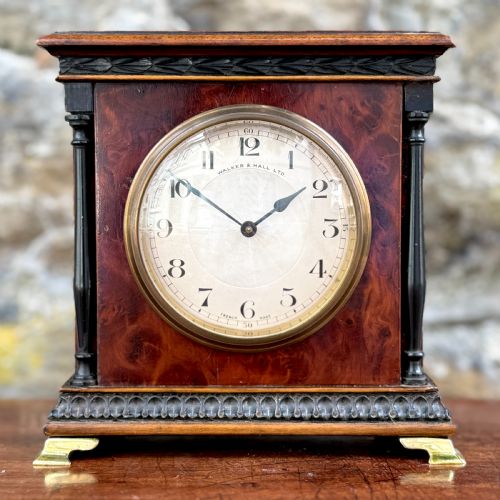
Walker and Hall·Cottier and Co·Holland and Son·Lamb of Manchester
The Hall Table with Brass Glossary
- Ormolu
- Gilded bronze used for decorative mounts and furnishings. It provides a bright golden finish that contrasts against dark hardwoods.
- Lowboy
- A small occasional table featuring one or more rows of drawers, typically raised on slender legs. These date predominantly from the eighteenth century.
- Sabot
- A metal shoe fitted to the foot of a furniture leg. It protects the timber base and adds a decorative accent.
- Sofa Table
- An oblong piece designed to stand in front of a sofa, usually featuring drop leaves and paired pedestal supports.
Hall Table with Brass: Frequently Asked Questions
How are these tables used?
These tables provide a practical surface and storage for everyday items in entrance halls and reception rooms.
Drawers accommodate small accessories while the top surface holds lighting or decorative objects.
How do I identify the period?
Periods are identified through structural proportions, timber choices, and the style of decorative hardware.
Georgian pieces often display simpler linear forms in oak or mahogany, whereas Victorian examples introduce exotic veneers and elaborate mounts.
Are the brass elements original?
Original brass fixtures match the manufacturing techniques and wear patterns of the surrounding timber.
Screws, patination, and casting quality help determine whether handles, knobs, or mounts belong to the original construction.
How do I care for timber surfaces?
Timber surfaces require protection from direct sunlight and sudden humidity changes to prevent warping.
Regular dusting and occasional application of appropriate wax maintain the finish of mahogany, oak, and figured veneers.