



Haberdashery Shop Display
Step inside a bygone interior with a haberdashery shop display, where glazed timber cabinets and multi-drawer counters bring utilitarian trade history into modern rooms.
Haberdashery Shop Display
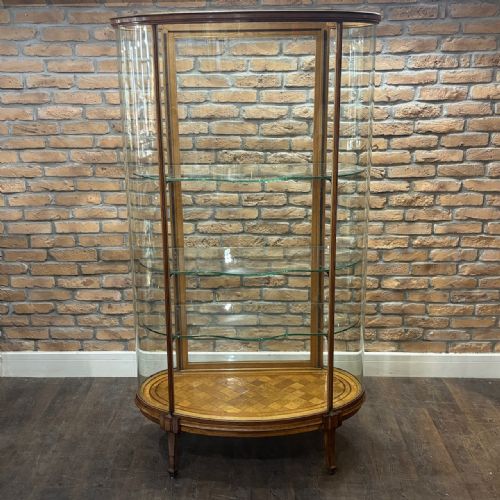
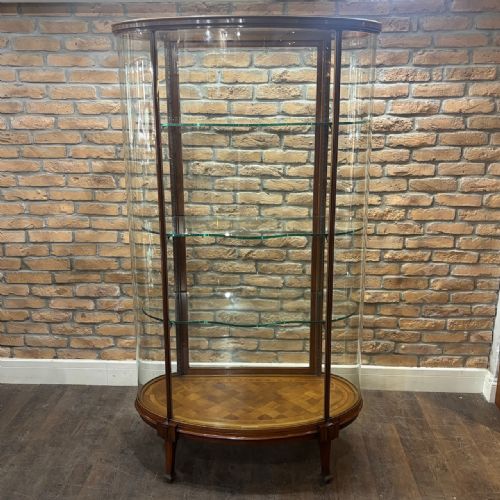
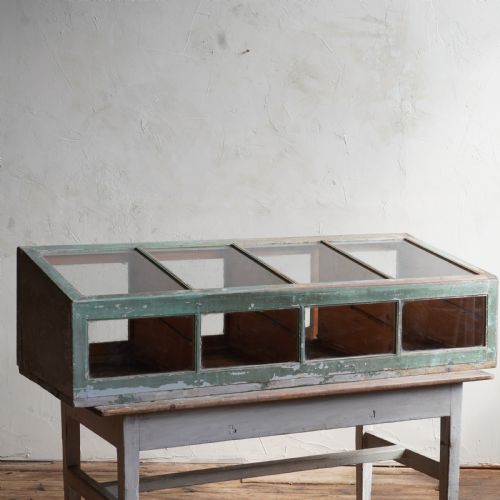
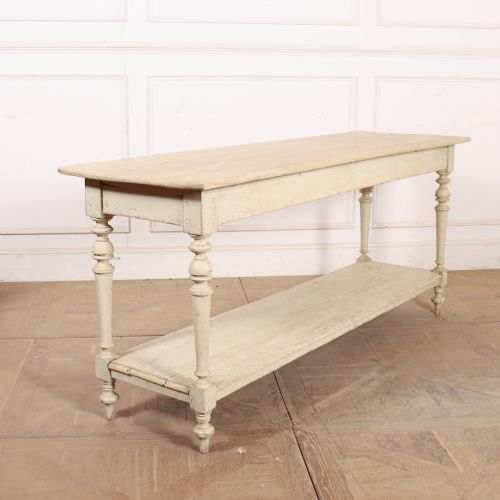
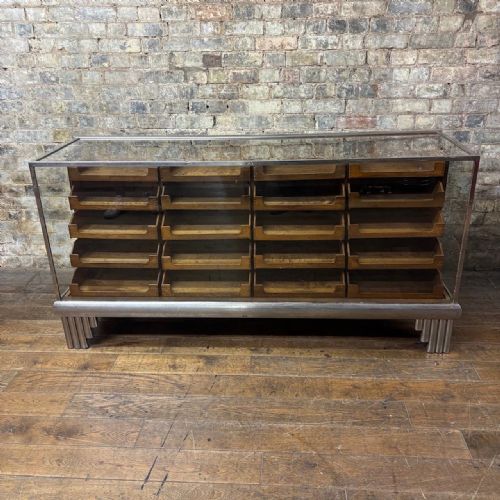
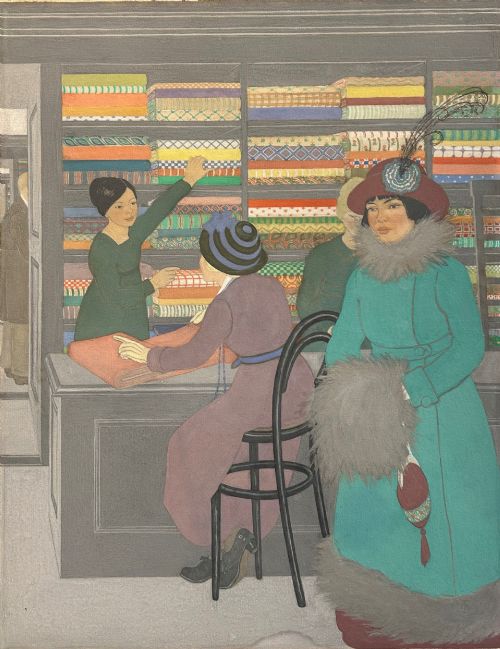
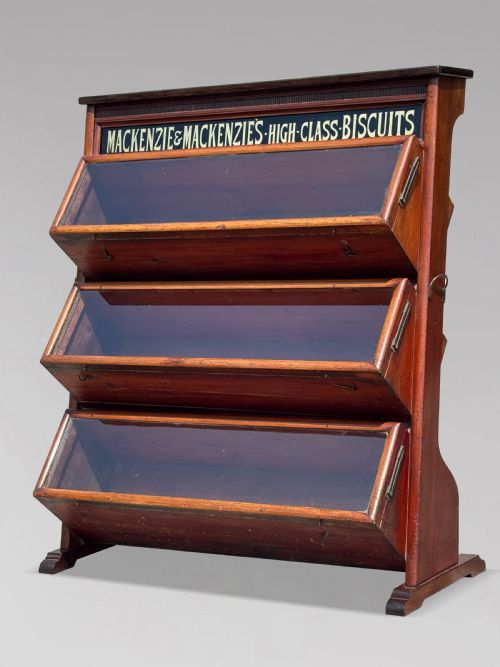
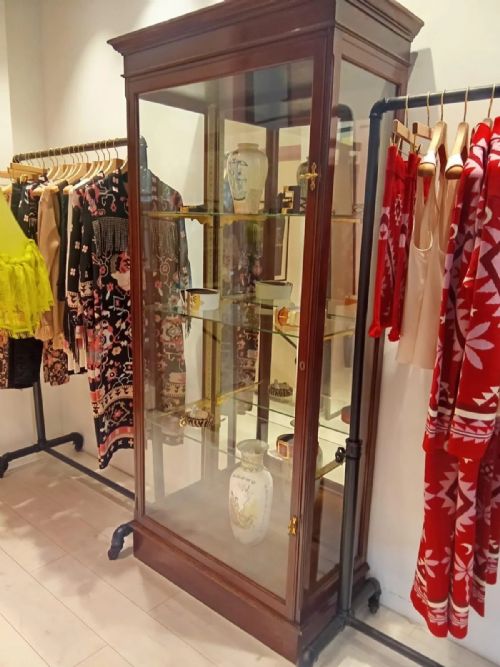
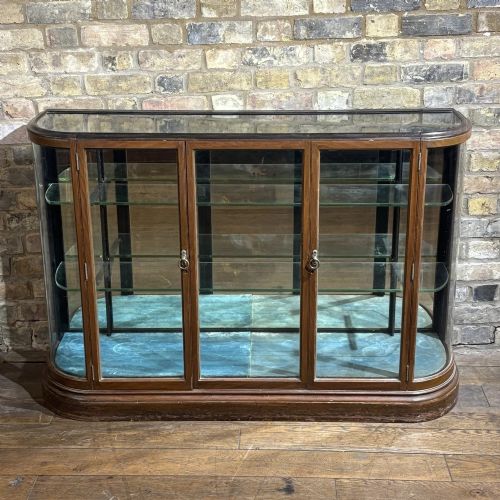
A haberdashery shop display encompasses trade counters, multi-drawer drawer banks, countertop glass cases, and upright cabinets originally built to merchandise textiles, cottons, and small mercery goods. These pieces date primarily from the Victorian and Edwardian eras through to the 1930s commercial period.
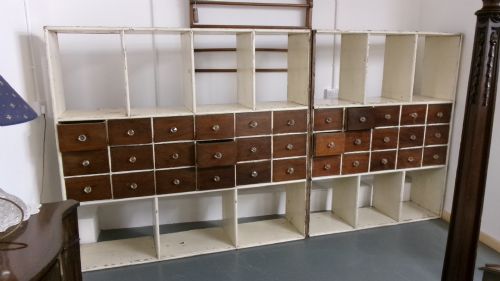
The most common formats found here include mahogany and oak countertop display cases, multi-drawer pine drapers' fittings, and freestanding glazed shop counters. They originate from British and French commercial premises, including drapers, tailors, and apothecaries.
Buyers utilise these functional items to organise home interiors while retaining visible historical character. Glass panels, brass pulls, and tiered shelving provide practical storage and display space for collections.
Construction and Materials
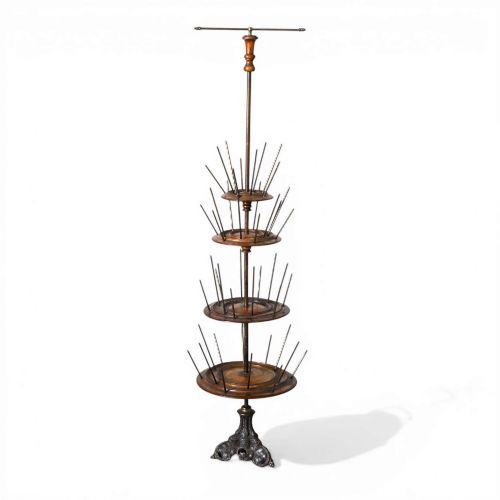
Makers built these commercial pieces from durable hardwoods such as mahogany and oak, alongside utilitarian softwoods like pine, chosen to withstand heavy daily retail use. Structural frames often incorporated cast iron and brass for hardware, handles, and mechanical supports.
Glazing played a central role, utilising large sheets of transparent glass for cabinet doors and countertop viewing panes to protect stock while maintaining visibility. Secondary techniques involved hand-painted trade lettering, mirrored interior backs, and dovetailed drawer construction.
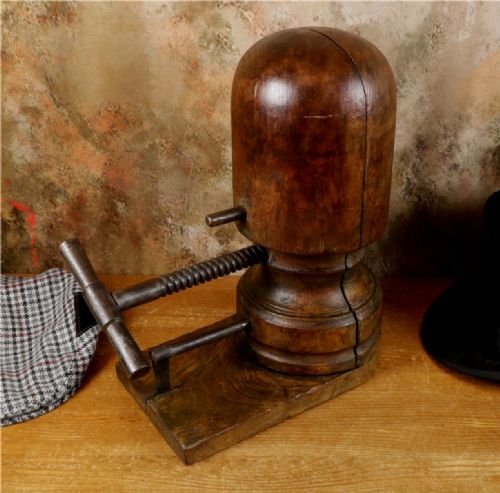
Form formats range from tall glazed display cabinets and multi-drawer haberdashery counters to freestanding drapers tables and hat stretchers.
Design and Material Quality
The upper tier of pieces demonstrates superior timber selection, such as solid mahogany with finely figured grain, complex bow-end glazing, and robust architectural proportions. Maker attribution to known commercial outfitters like F. Sage & Co. elevates a piece through documented workshop standards.
Originality of surface finish and hardware dictates the integrity of the object, separating untouched patinated pine and factory-fitted brass from later alterations. Multi-drawer banks with intact manufacturer branding, such as cotton spool advertising labels, reflect high-grade mercantile provenance.
F. Sage & Co·Dudley & Co·John Stow Ltd
The Haberdashery Shop Display Glossary
- Draper's Counter
- A long retail table or low cabinet utilised in fabric shops for measuring and cutting cloth. These often feature banks of small drawers beneath the main surface for pins, ribbons, and thread.
- Bow-End
- A curved cabinet front or glass pane shaped in a gentle convex sweep. This technique provided broader viewing angles for merchandise in narrow shop interiors.
- Haberdashery Drawer Bank
- A modular set of shallow wooden drawers built to sort small sewing notions and threads. Collectors prize these for their dense grid arrangement and original brass label pulls.
- Countertop Display Case
- A small glazed box designed to sit upon a shop counter for high-value items. They usually feature rear sliding wooden or glass doors for retail staff access.
- Trade Sign
- A painted or relief-carved commercial board used to advertise services outside or inside a shop. These carry original hand-lettered typography from nineteenth and early twentieth-century businesses.
Haberdashery Shop Display: Frequently Asked Questions
What were haberdashery cabinets used for?
Merchants utilised these specialised cabinets to store and sell small sewing goods, buttons, ribbons, and threads. The shallow drawers kept delicate items organised and clean behind glass panels.
In modern spaces, these compartments suit the storage of collections, jewellery, or stationery. The glazed display surfaces allow items to remain visible while protected from dust.
How do I date a shop display cabinet?
Dating relies on timber choices, construction methods, and hardware styles found across Victorian, Edwardian, and 1930s commercial examples. Solid mahogany and brass fittings typically point to the nineteenth century.
Later pieces from the interwar period incorporate chrome frames, aluminium, and lighter oak veneers. Manufacturer stamps or maker plates on the internal framing also establish specific eras.
Are these pieces suitable for kitchen islands?
Drapers' counters and multi-drawer shop fittings function well as kitchen islands or sideboard bases due to their substantial proportions. Their deep timber tops and numerous drawers offer practical workspace and storage.
Buyers should verify counter heights and ensure the underlying softwoods or hardwoods can handle domestic utility. Many retain original painted finishes that add visual contrast to modern rooms.
How do I maintain antique display glass?
Maintenance requires gentle cleaning with non-abrasive glass solutions and soft cloths to protect older panes. Many antique cabinets feature original float or cylinder glass with minor surface bubbles.
Checking the brass hinges and wooden runners periodically ensures smooth operation of doors and drawers. Avoid placing cabinets in direct sunlight to protect antique polishes and painted surfaces.