



Industrial Metal Sculpture
Industrial metal sculpture combines utilitarian function with striking sculptural form, drawing collectors who value original workshop materials and authentic age.
Industrial Metal Sculpture
Industrial metal sculpture encompasses functional objects and utilitarian items from the nineteenth and early twentieth centuries that possess a distinct sculptural presence. Pieces found here range from nineteenth-century farrier's anvils and boat fairground rides to trade signs, scale models, and millinery moulds.
Origins stretch from the late nineteenth century through the 1920s and 1930s, capturing an era of mechanical production and vernacular craft. Each object serves as a tangible remnant of historical trades, reimagined for modern display.
Materials and construction
Makers utilised cast and sheet aluminium, wrought iron, brass, copper, and spelter, often combining metal components with fruitwood trunks or painted surfaces. Construction techniques reflect practical workshop methods, from heavy metal casting to precision scale modelling and sheet metal shaping.
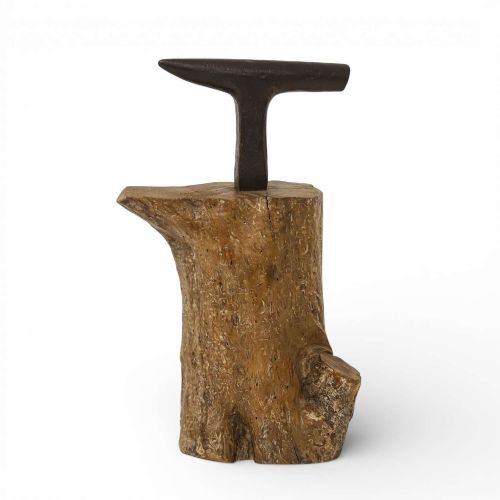
The integration of mixed media is prominent, as seen in farrier's anvils mounted on wooden bases and mechanical clockwork driven by bronze and brass. Surface finishes range from natural patination and industrial paint to polished metal.
Current listings span the nineteenth century, 1880, 1910, 1920, and 1930, utilising aluminium, wrought iron, brass, copper, spelter, and fruitwood.
Quality and distinction
Quality rests in the purity of the material, the integrity of the original construction, and the preservation of authentic surface patination. Pieces that retain their genuine working character outshine those with excessive restoration or altered finishes.
The complexity of the form and the clarity of the maker's intent dictate the desirability of each piece. Scale models and intricate mechanical works demonstrate superior technical execution compared to standard utilitarian duplicates.
Andre Guilmet
The Industrial Metal Sculpture Glossary
- Millinery mould
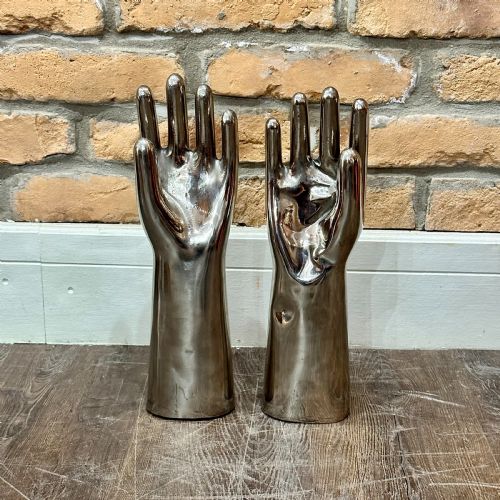
- A shaped form used in hat-making, commonly cast in aluminium during the early twentieth century. These objects function as sculptural items when displayed individually.
- Spelter
- An alloy of zinc and lead or copper used as a substitute for bronze in decorative figures and lamps. It takes detail well and typically accepts various painted or bronzed finishes.
- Scale model
- A smaller physical representation of a larger object, such as a marine anchor or engineering apparatus. These items demonstrate precise craftsmanship and mechanical understanding.
- Wrought iron
- Iron that has been heated and shaped with tools by a blacksmith, recognised by its fibrous texture and strength. It forms the structural base for many heavy-duty historical implements.
- Farrier's anvil
- A small anvil used by blacksmiths who shoe horses, often mounted on a sturdy wooden trunk. These pieces display heavy wear from practical use.
Industrial Metal Sculpture: Frequently Asked Questions
What is industrial metal sculpture?
Industrial metal sculpture comprises functional workshop items, trade signs, and mechanical models from the nineteenth and early twentieth centuries that now serve as decorative art. These pieces draw their aesthetic appeal from utilitarian design and aged materials.
Items range from aluminium hat moulds and spelter lamps to iron farrier's anvils and scale models of marine equipment.
How do I display these pieces?
These sculptures suit contemporary and traditional interiors alike, often placed on tables, shelves, or mounted as wall art. Their neutral metal tones and organic wooden mounts contrast well against plain walls.
Grouping similar items, such as a series of millinery moulds, creates a strong visual impact in a room.
How are different periods identified?
Periods are determined through manufacturing techniques, material choices, and stylistic markers associated with the nineteenth century through the 1930s. Turn-of-the-century items often exhibit specific casting methods and hand-finished details.
Documentation or recognisable maker signatures further clarify the precise age and origin of mechanical works.
What materials were commonly used?
Makers relied heavily on metals such as aluminium, wrought iron, brass, copper, and spelter for durability and form. These were frequently paired with fruitwood bases and finished with paint.
Each material develops a distinct patina over time that reflects its working history and environmental exposure.