


Country House Folk Art
Country house folk art brings unpretentious vernacular character and hand-worked utility into a room.
Country House Folk Art
Country house folk art comprises utilitarian objects, paintings and decorative pieces made outside academic traditions by makers working in regional styles. These items span periods from the seventeenth century through the Edwardian era, reflecting practical domestic and rural life.
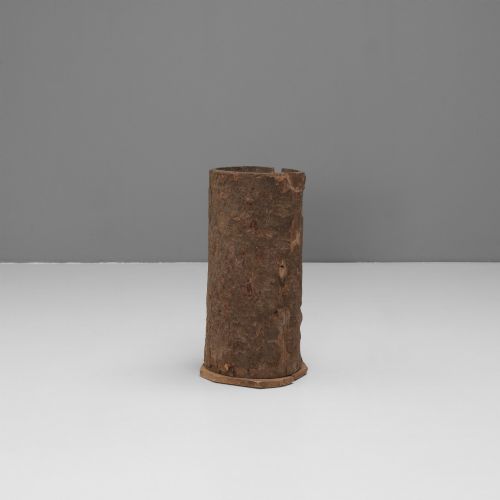
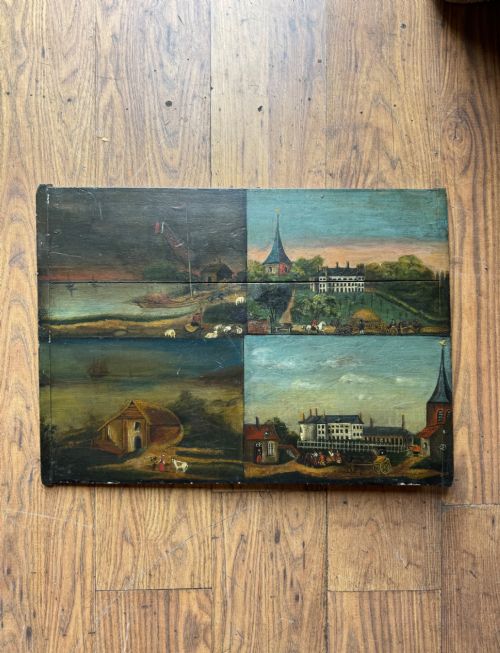
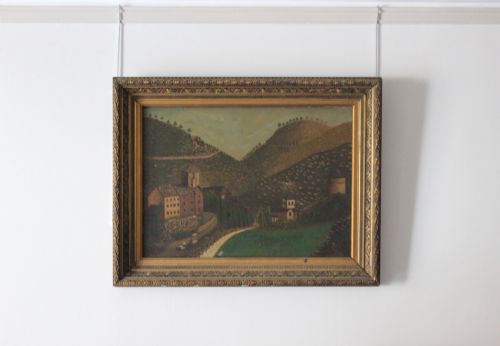
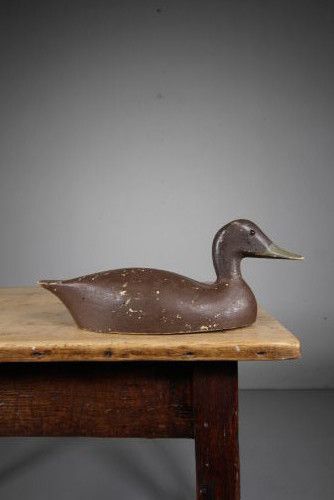
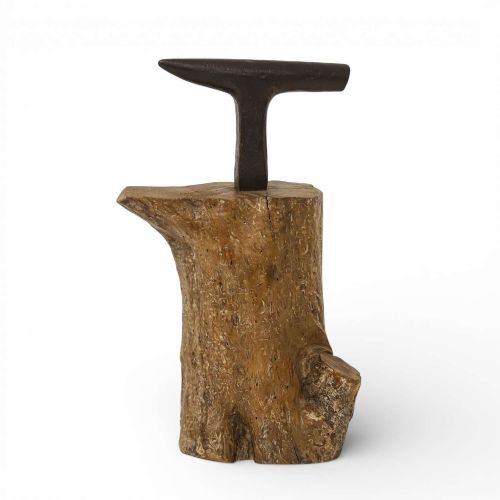
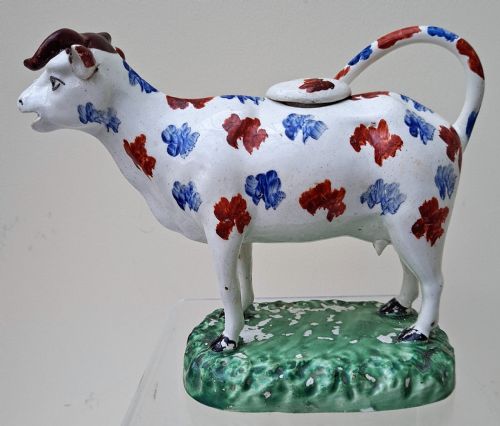
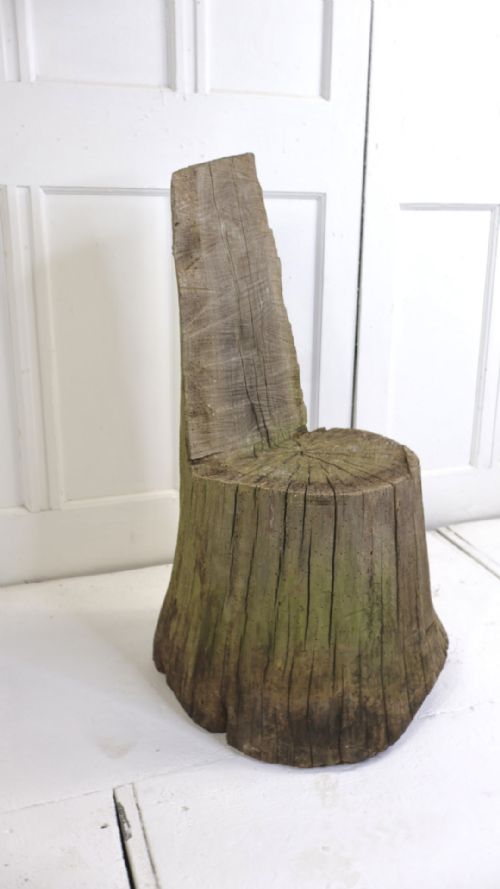
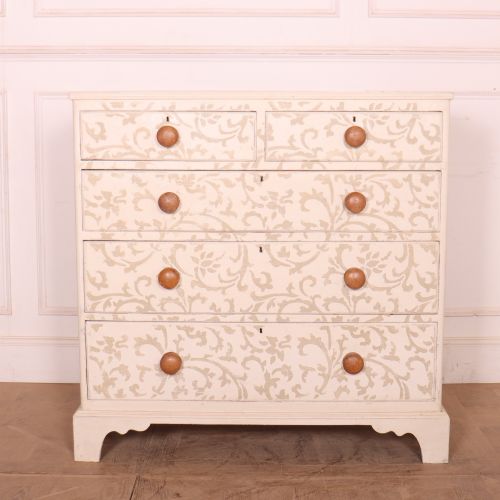
The objects on this page include oil paintings, painted chests of drawers, cupboards, decoys, weathervanes and carved wooden vessels. Many pieces display original paint surfaces and vernacular forms shaped by regional British and European traditions.
Buyers seek these works for their direct expression and tactile presence. A nineteenth-century painted cupboard or a naive oil painting grounds a modern interior with honest materials and historical depth.
Assessing Quality and Surface
Quality in these pieces rests in the integrity of the original surface and the strength of the form. An untouched, weathered paint layer or a bold, unpretentious silhouette elevates an everyday object.
Proportion and execution distinguish the finer examples from standard vernacular items. Even within naive or primitive work, deliberate composition in a painting or balanced restraint in a carved vessel separates the exceptional from the ordinary.
Listings feature items spanning the 17th Century to the Edwardian period, utilising pine, fruitwood, wrought iron, and oil paint.
William Shayer
The Country House Folk Art Glossary
- Vernacular
- Artefacts made by self-taught or local craftsmen to fulfil a specific local function rather than following academic design rules. These pieces derive their form directly from utility and regional tradition.
- Naive art
- Painting or sculpture characterised by a childlike perspective, lack of formal proportion and direct emotional honesty. Artists working in this manner bypass classical rules of perspective.
- Slipware
- Pottery decorated with a liquid clay mixture applied before firing to create patterns or glazes. Seventeenth-century examples often feature rich earthenware tones.
- Decoy
- A carved and painted wooden bird or animal used historically to attract game. These objects now appeal for their sculptural forms and weathered patination.
- Weathervane
- An iron or metal structure mounted externally to indicate wind direction, often shaped as animals or figures. They combine silhouette metalwork with functional engineering.
Country House Folk Art: Frequently Asked Questions
How do I care for original paint surfaces?
Original paint surfaces require gentle handling and protection from direct sunlight and fluctuating humidity. Dusting with a dry, soft cloth is sufficient for maintenance.
Avoid chemical cleaners or abrasive agents that might strip or alter the historical patination built up over centuries.
How can I tell a 19th-century piece from earlier periods?
Distinguishing periods relies on observing construction techniques, wood types like pine or fruitwood, and the wear patterns on iron and paint. Earlier seventeenth-century items often show heavier joinery and distinct earthenware glazing.
Nineteenth-century examples frequently exhibit estate-made construction or provincial oil painting styles that reflect the vernacular trends of the Victorian and Georgian eras.
Where were these pieces originally used?
These items originated in rural estates, farmhouses, dairies, and country houses across Britain and Europe. They served functional roles in daily domestic management, storage, and agricultural work.
Objects such as linen cupboards, larder cupboards, dairy yokes, and farrier's anvils were designed strictly for practical use within working country environments.