




18th Century Sporting Art
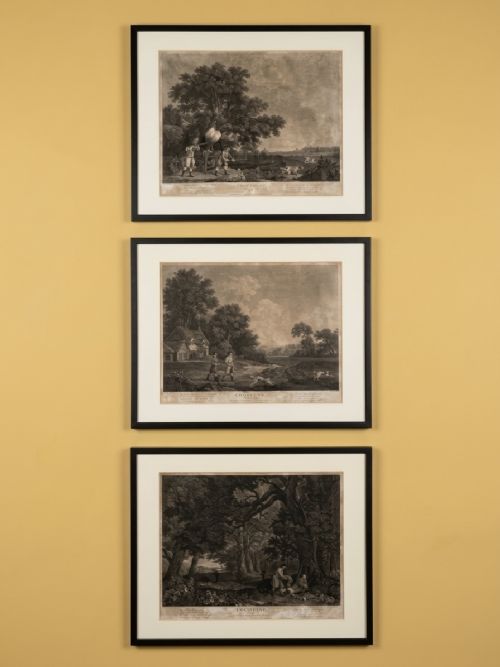
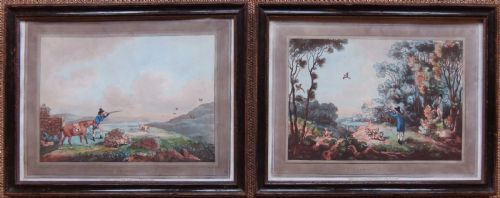
These pieces of 18th century sporting art capture the energy of historic field sports, racing and canine portraiture, bringing classic field scenes into the modern interior.
18th Century Sporting Art
Buyers exploring 18th century sporting art encounter a varied selection of oil paintings, watercolours and period engravings depicting horses, hounds, game and rural pastimes. The examples most frequently met on this page combine Georgian aesthetics with subjects drawn from the field, the hunt and the racetrack.
The material record includes oil on pine panel, canvas, paper and reverse glass, spanning the eighteenth century and the early nineteenth century. Works range from intimate hand-coloured stipple engravings to detailed oil portraits of dogs and racehorses.
How these pieces were made
Works in this field rely on traditional painting media such as oil paint and watercolour applied to canvas, pine panel and paper supports. Painters built up compositions using layered pigments to capture animal anatomy and rural lighting.
Printmakers utilised copperplate engraving and stipple techniques to reproduce popular subjects, often finishing the impressions by hand with watercolour. Reverse glass paintings required artists to apply paint directly to the rear of the glass plate, creating a luminous finished portrait.
Creeping Molly takes her bow alongside spaniels and game birds, proving horses had star quality long before television.
What varies in quality
The distinction between standard decorative prints and superior examples rests in the handling of line, colour application and the anatomical accuracy of the subjects. Master painters achieved a greater sense of movement and depth in animal portraits and landscape settings.
Preservation of the original surface, whether paper, panel or glass, dictates the visual clarity of the piece. Stronger works retain their original colour saturation and pigment integrity without heavy restoration.
John Sanderson Wells·William Williams·Francis Wheatley·George Stubbs·William Bunbury·Sam Howitt·Stephen Elmer
The 18th Century Sporting Art Glossary
- Stipple engraving
- A printmaking technique using dots rather than lines to create subtle tonal gradations and softer forms. This method was frequently employed for portraits and genre scenes.
- Reverse glass picture
- An artwork painted directly onto the reverse side of a glass sheet, often viewed from the unpainted front. This technique produces a distinct glossy finish.
- Copperplate engraving
- A method where an image is incised into a copper plate with a sharp tool, holding ink within the grooves for printing onto paper. Impressions taken this way show crisp linear detail.
- Pine panel
- A wooden board used as a rigid support for oil paintings during the period. It provides a stable alternative to stretched canvas.
18th Century Sporting Art: Frequently Asked Questions
What subjects appear in 18th century sporting art?
These works depict a range of rural pursuits, including horse racing, shooting, angling, billiards and canine portraits set within landscapes. The imagery reflects the leisure activities and country life of the Georgian era.
Artists focused heavily on prized animals, game birds and sporting dogs alongside human participants in the field. This concentration on rural sport forms the core of the genre.
How do I care for antique prints and paintings?
Paper prints and watercolours require protection from direct sunlight to prevent fading of the ink and paper support. Framing under glass helps shield the surface from airborne pollutants and moisture.
Oil paintings on panel or canvas benefit from stable indoor humidity and temperature levels. Regular dusting with a soft, dry cloth keeps the surface clear without risking the paint layer.
How are different periods identified?
Period attribution relies on material indicators such as the type of paper stock, plate marks on engravings and the composition of the wood panel or canvas. Stylistic cues, including clothing fashions and painting techniques, also point to the era of creation.
Signatures, inscriptions and publisher details on prints provide further historical markers. Comparing these elements with documented examples helps place an item within the eighteenth or early nineteenth century.
Were these pieces meant for display?
Prints and paintings from this era were produced to adorn the walls of country houses, town residences and sporting lodges. They served as both decoration and a reflection of the owner's sporting interests.
Smaller engravings and reverse glass pictures were suited for intimate rooms and parlours. Larger oil paintings often occupied prominent positions in reception spaces.