


Sporting Picture Canvas
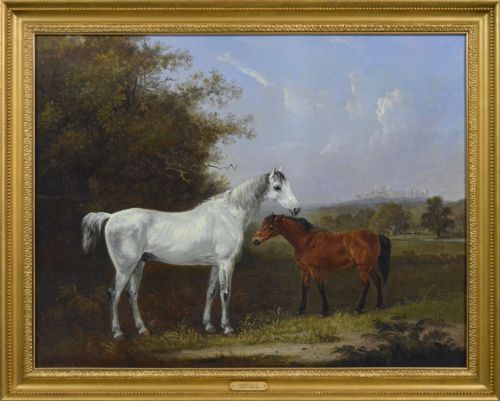
When you search for a sporting picture canvas, you are looking at painted records of horses, hounds and rural pursuits rendered in oils.
Sporting Picture Canvas
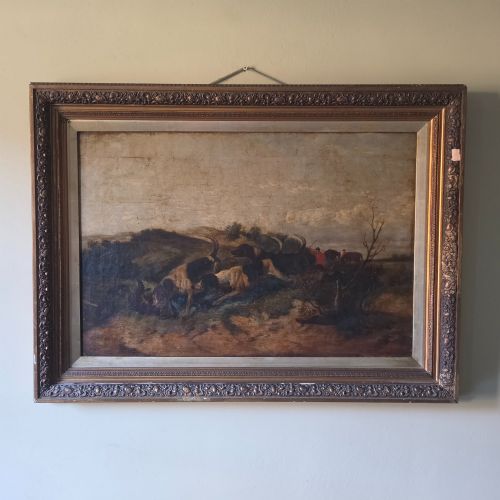
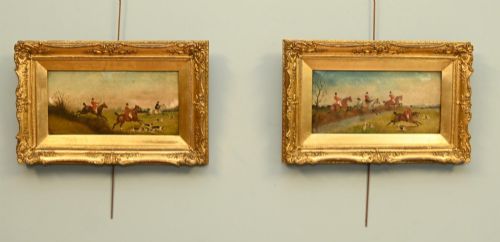
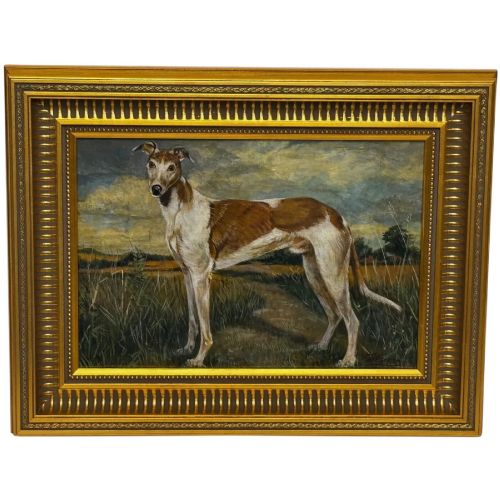
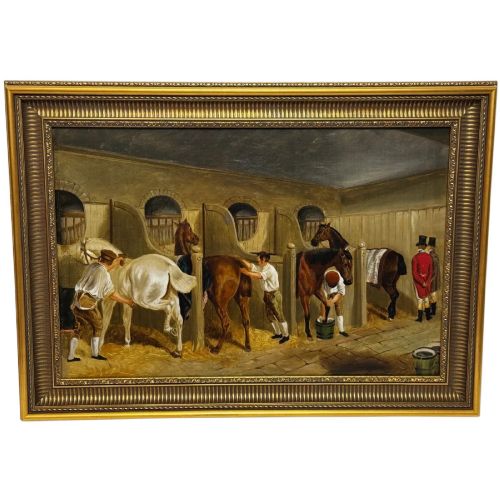
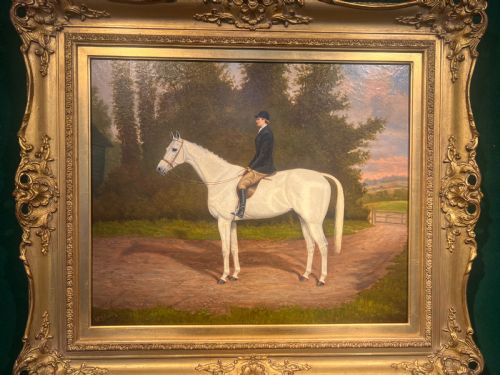
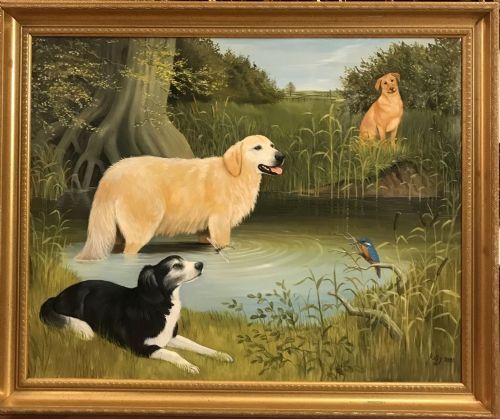
A sporting picture canvas captures the longstanding British fascination with equestrianism, hunting, fishing and prized animals, rendered primarily in oil paint upon woven supports. These works range from intimate studies of individual dogs to grand depictions of hunts in motion across open countryside.
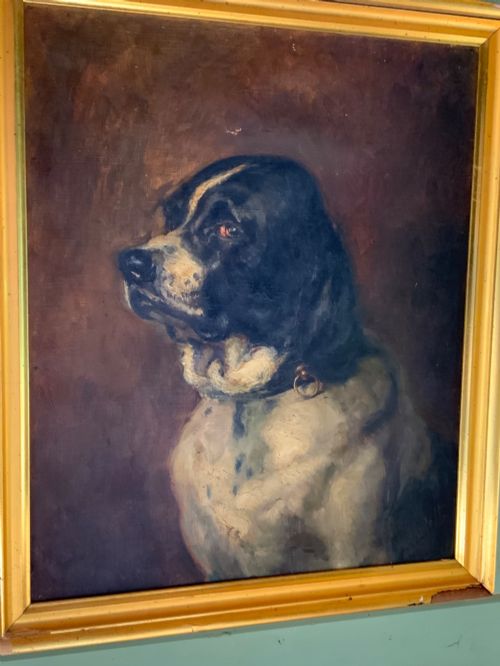
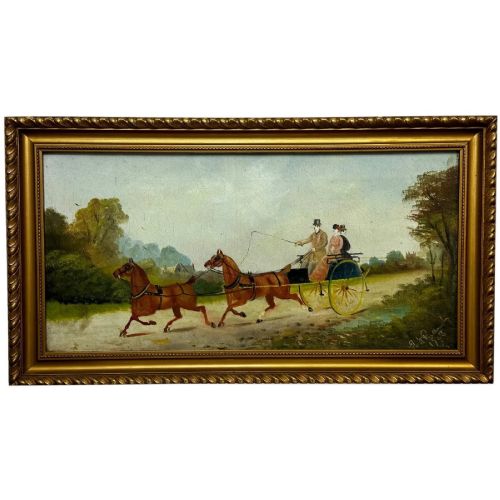
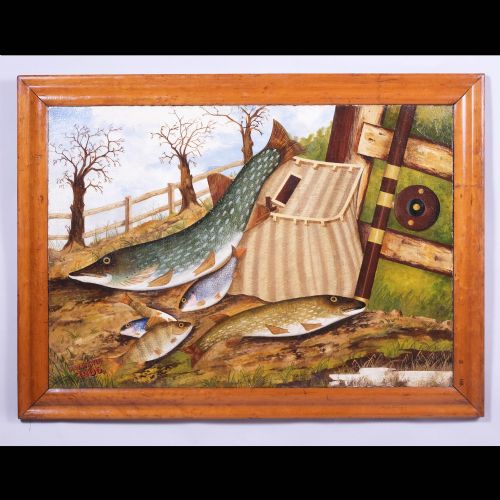
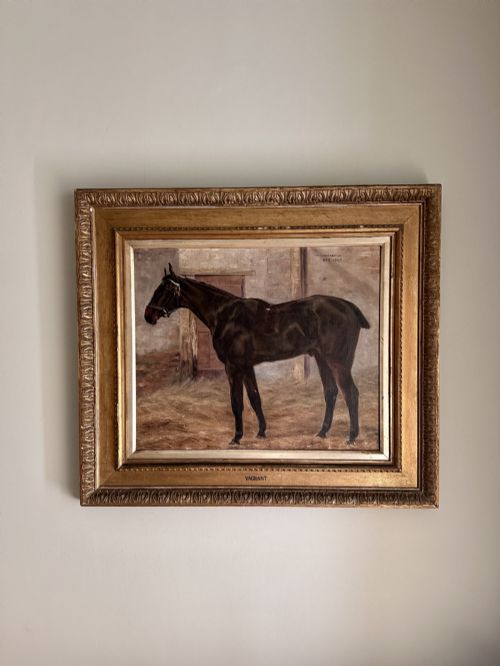
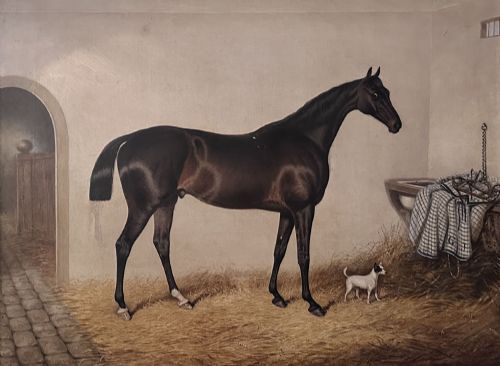
The selections available span the nineteenth century through the mid twentieth century, encompassing Victorian sporting art, Edwardian pieces and traditional realism. Buyers frequently encounter portraits of specific horses, spaniels, terriers and hunting scenes framed in period wood or gilt moulding.
The subjects reflect personal affections for working animals alongside the structured pursuits of the landed gentry. From coaching scenes to individual hound portraits, each piece documents a specific facet of rural life and sporting tradition.
Materials and construction methods
These works are executed in oil paint upon stretched canvas, occasionally utilising board as a base support depending on the period. The technique relies on the layering of pigments to achieve depth in animal coats, landscape backgrounds and atmospheric sky effects.
Frames play an integral structural and aesthetic role, constructed from wood finished with gilt, gold leaf or carved plaster ornamentation. Giltwood and plain wood frames from the Victorian and Edwardian eras frequently accompany the canvases, preserving the visual integrity of the period.
Canvases capture everything from noble racehorses to terriers caught guarding trapped rats.
Distinctions in quality and execution
Quality rests upon the artist's command of animal anatomy, posture and light, where superior hands capture the distinct musculature of a hunter or the alert expression of a setter with anatomical precision. Weaker examples often rely on stiff, formulaic poses that lack individual character.
The handling of the surrounding landscape and atmospheric perspective distinguishes accomplished works from routine studio output. Superior canvases integrate the animal and its environment cohesively, whereas lesser pieces treat the background as a generic backdrop.
John Emms·John Ferneley Senior·Colin Graeme Roe·Henri Schouten·Abraham Cooper
The Sporting Picture Canvas Glossary
- Canvas
- A heavy woven fabric stretched across a wooden stretcher frame to serve as a foundation for oil painting. It provides the flexible yet durable surface characteristic of traditional fine art.
- Giltwood
- Wood carved and subsequently treated with gold leaf or a metallic gilt finish to create decorative frames. This material defines the presentation of many nineteenth-century works.
- Oil paint
- A slow-drying medium composed of pigments suspended in a drying oil, typically linseed. It allows artists to blend tones smoothly and achieve rich textures in animal fur and landscapes.
- Provenance
- The documented history of ownership of an artwork, establishing its authenticity and previous location. Records often link these paintings to specific country estates or galleries.
Sporting Picture Canvas: Frequently Asked Questions
What subjects appear on a sporting picture canvas?
The subjects encompass a wide array of rural and equestrian themes, including prized racehorses, working gun dogs, fox hunting meets and coaching scenes. Many works focus on individual animal portraits commissioned by owners.
Other canvases depict broader landscape narratives such as fishing expeditions, shooting parties and rural work scenes involving horses and hounds.
How do I identify the period of a canvas?
Dating relies upon a combination of stylistic markers, clothing styles of any human figures, framing materials and stretcher construction. Victorian works often feature heavier gilt frames and specific narrative realism.
Later pieces moving into the Edwardian and mid-twentieth-century periods display shifts in palette and looser brushwork while retaining traditional sporting subject matter.
Were these paintings always framed?
Most of these works were paired with dedicated frames intended to complement the domestic interiors of the nineteenth and early twentieth centuries. Gilt wood and heavy moulded frames provided both protection and a formal presentation.
While framing styles shifted across the decades from ornate Victorian gilt to simpler Edwardian profiles, the frame remains an integral component of the piece.
How should I care for an oil painting on canvas?
Preserving these works requires stable indoor humidity and protection from direct sunlight to prevent the canvas from sagging and the oil pigments from fading. Dust should be removed gently from the surface and frame using a soft, dry brush.
Avoid using liquid cleaners or attempting to clean the painted surface directly, as aged varnishes are sensitive to moisture and chemical agents.