






Framed Game Picture
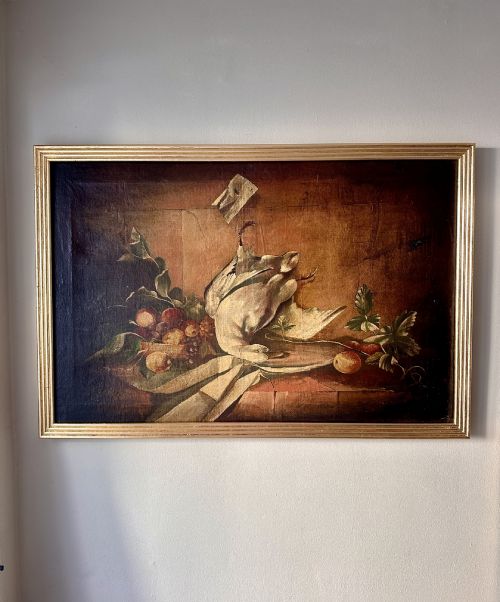
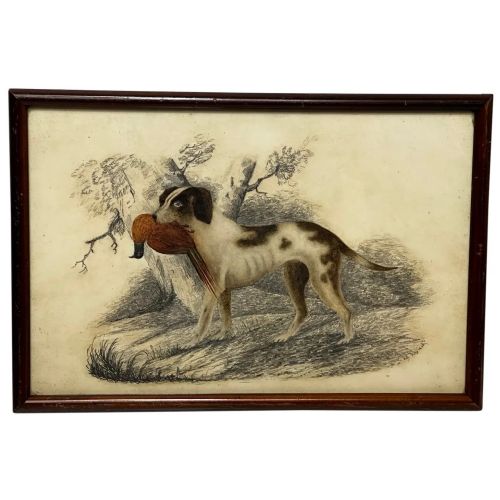
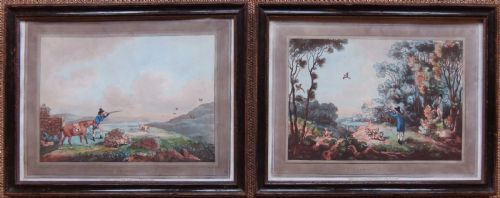
A framed antique game picture brings the rich history of country sports and rural life directly onto the drawing-room wall.
Framed Game Picture
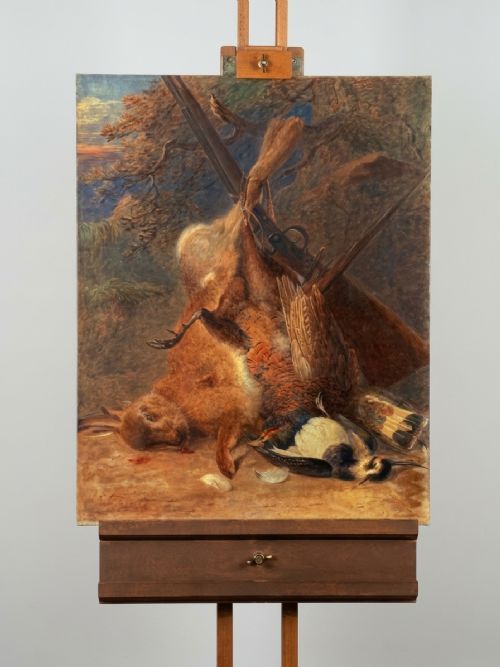
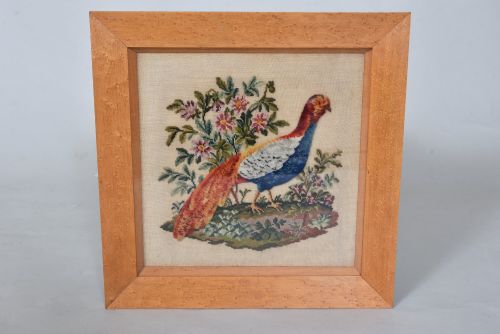
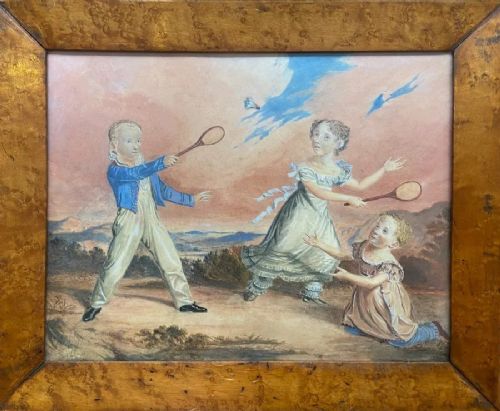
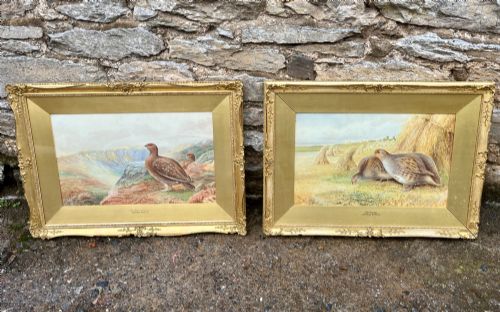
A framed antique game picture captures the traditional subjects of hunting, shooting, and rural wildlife across centuries of domestic display. Buyers seeking a framed antique game picture encounter diverse forms, ranging from detailed Victorian plushwork and watercolours to expansive nineteenth-century oil paintings.
The selection encompasses works from the eighteenth century through to the early twentieth century, spanning Georgian, Regency, and Victorian aesthetics. These pieces typically depict game birds, hunting dogs, and sporting scenes rendered in various media suited for wall hanging.
Continental schools and British artists alike contributed to this genre, producing everything from intimate watercolours to imposing oil paintings. The common thread uniting these works is their focus on sporting pursuits and natural history subjects.
Materials and construction methods
Artists utilised traditional painting surfaces including canvas, paper, and watercolour boards, applying oil, bodycolour, and watercolour pigments. Printmakers produced engravings and embossed prints, while textile artists worked with plushwork to create tactile depictions of pheasants.
Framing materials reflect the periods of creation, featuring giltwood and various woods to protect and display the artwork. Clockwork mechanisms occasionally incorporated into dioramas demonstrate mechanical ingenuity alongside traditional visual arts.
Listings feature works spanning from the eighteenth century to the 1940s, executed in oil, watercolour, bodycolour, and print.
Assessing quality in historical sporting art
The distinction between average and exceptional pieces rests upon the precision of draftsmanship and the fidelity with which animal anatomy and plumage are rendered. Works associated with known artists or specific continental schools carry greater artistic weight.
The integration of the artwork with its original or period-appropriate frame influences the overall integrity of the piece. Preservation of the surface medium, whether delicate watercolour, bodycolour, or oil on canvas, dictates the visual impact of the work.
George Sydney Shepherd·George Rankin·Benjamin Blake·Sam Howitt·Stephen Elmer·Archibald Thorburn
The Framed Game Picture Glossary
- Bodycolour
- An opaque water-based pigment containing white colouring, often used in watercolours to create denser highlights and solid areas.
- Plushwork
- A textile craft technique creating a raised, textured pile surface, seen in Victorian depictions of birds.
- Giltwood
- Wood carved and coated with gold leaf or a gold-coloured finish, commonly used for period picture frames.
- Watercolour
- A painting method where the pigments are suspended in a water-based solution, traditionally applied to paper.
Framed Game Picture: Frequently Asked Questions
How do I hang a heavy oil painting?
Heavy oil paintings require secure wall fixings, typically screwed directly into masonry or wooden wall studs using appropriate picture wire and brackets. This ensures the weight is safely distributed without damaging the plaster.
Position the picture at eye level, ensuring the surrounding wall space balances the imposing scale of nineteenth-century frames.
Where should I display sporting prints?
Sporting prints suit studies, libraries, and hallways where traditional country pursuits complement the interior decor. Avoid placing them in rooms with excessive moisture or direct sunlight to protect the paper and printing inks.
Grouping sets of four prints together creates a balanced arrangement along a wall panel or corridor.
How do I clean antique glass and frames?
Giltwood frames require gentle dusting with a soft, dry brush to prevent accumulation in carved crevices without disturbing the finish. Avoid using chemical polishes on antique wood or gilt surfaces.
Clean the glass carefully using a cloth lightly dampened with water or glass cleaner, taking care not to let moisture seep beneath the frame edge.
Can I mix watercolours and oil paintings?
Mixing different media within a room creates visual variety, provided the framing styles share a complementary period aesthetic. Victorian watercolours and oil paintings often pair well together through similar subject matter.
Maintain visual harmony by coordinating frame tones, such as matching giltwood or dark wood finishes across disparate artworks.