


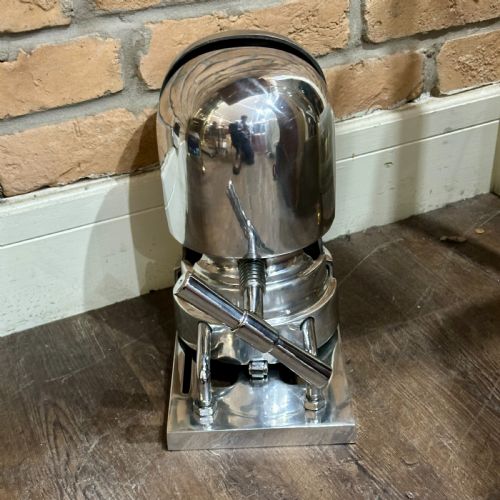
Aluminium Hat Block
These industrial aluminium hat blocks are sought-after millinery moulds that bring striking sculptural presence to contemporary interiors.
Aluminium Hat Block
An aluminium hat block is a practical millinery tool originally cast for shaping headwear during the 1920 period. These industrial forms served a purely utilitarian purpose in workshops before finding a second life as decorative objects.
Millinery moulds appear on this page primarily as hat blocks and forms. Each piece reflects the functional requirements of hat production from a single historical decade.
How they were made
These items are produced from cast aluminium through industrial metalworking techniques. The casting process leaves distinct surface textures characteristic of utilitarian objects from the period.
Moulds are formed to precise anatomical and geometric contours necessary for shaping hats. The solid metal construction ensures durability and weight appropriate for heavy workshop use.
Numbered strictly for the workshop floor, these metal blocks spent decades shaping felt before retiring to the mantelpiece.
What varies in quality
Quality rests in the clarity of the cast form and the integrity of the aluminium surface. Pieces with well-defined contours and minimal surface disruption represent the higher end of the range.
The aesthetic appeal depends on the boldness of the industrial silhouette and the tactile character of the metal. Items retaining clear maker markings or numbering demonstrate superior workshop provenance.
The Aluminium Hat Block Glossary
- Aluminium
- A silvery-white metal used for its lightweight and durable casting properties. It became prominent in industrial applications during the early twentieth century.
- Millinery
- The design, manufacture and sale of hats. Tools from this trade include blocks used for shaping brims and crowns.
- Hat block
- A solid form used by hatters to shape and dry headwear. They are carved or cast in various materials including metal and wood.
- Industrial style
- An aesthetic derived from factories and workshops, prioritising utilitarian function and raw materials such as cast metal.
Aluminium Hat Block: Frequently Asked Questions
What is an aluminium hat block?
An aluminium hat block is a solid metal mould used by milliners to shape hats during production. These items date to the 1920 period and are cast in industrial metal.
Today, they are collected as sculptural decorative objects. Their utilitarian design brings industrial character to modern spaces.
How were these hat moulds used?
Milliners stretched damp fabric or felt over the metal form to set the crown and brim of a hat. The heavy aluminium construction provided a stable base for shaping.
Workshop tools had to withstand daily pressure and moisture during the hat-making process. This practical origin gives each piece its distinctive weight and form.
How do I display an industrial hat block?
These pieces function well as standalone decorative objects on shelves, desks or mantelpieces. Their sculptural qualities make them natural focal points in minimal or industrial interiors.
No special mounting is required due to the stable flat bases of the castings. Simply place them where the raw metal surface can be appreciated.
How do I identify the period of a hat block?
Dating relies on the material composition, casting techniques and specific form typology recorded in the listings. Aluminium casting methods from the 1920 period display characteristic surface textures.
Comparing the numbering and manufacturing traits helps place the object within its historical context. The evidence on this page centres entirely on 1920 millinery forms.