


Metal Hat Mould
These metal hat mould pieces bring industrial workshop heritage straight into a modern interior.
Metal Hat Mould
A metal hat mould represents functional workshop equipment originally utilised in commercial millinery production. When buyers search for a metal hat mould, they encounter robust forms designed for shaping headwear.
The versions most commonly met on this page date from the early decades of the twentieth century, specifically originating around nineteen ten and nineteen twenty. These pieces take the form of millinery blocks, forms, and related shaping objects.
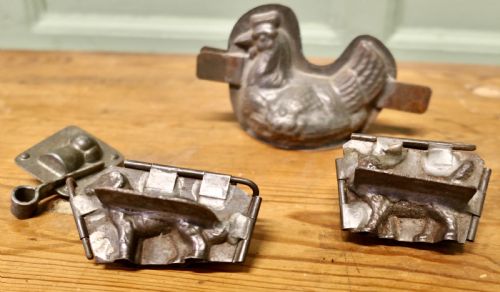
Beyond standard millinery equipment, the selection extends to industrial chocolate moulds depicting animal figures and culinary hats. This mixture of hat blocks and confectionery forms defines the industrial aesthetic available here.
How they were made
Makers utilised aluminium and cast aluminium to achieve lightweight yet durable blocks suitable for repeated workshop handling. Tinned steel and general cast metal also appear across the inventory, providing alternative weights and surface textures.
Production techniques relied on casting metal into specific shapes required for commercial hat production and confectionery moulding. These manufacturing methods resulted in utilitarian objects bearing the distinct marks of industrial fabrication.
Listings span the nineteen tens and nineteen twenties, featuring aluminium, tinned steel, and cast metal.
What varies in quality
Quality differences stem from the complexity of the cast form and the clarity of the underlying metalwork. Finer examples retain crisp edges and smooth shaping surfaces from the original foundry production.
The presence of specific figural detail distinguishes certain pieces, particularly within the chocolate mould categories where animal shapes require distinct definition. Surface patination resulting from workshop use also alters the visual character of each piece.
The Metal Hat Mould Glossary
- Millinery
- The manufacture and design of hats and headwear. This trade generated the primary forms found in metal hat mould collections.
- Hat block
- A solid form used by hatters to shape and size headwear during construction. These items form the core of industrial millinery equipment.
- Aluminium
- A silvery-white metal valued for its lightness and resistance to corrosion. Many twentieth-century hat blocks utilise this material for ease of handling.
- Cast metal
- Metal poured into a mould to take a rigid shape. This technique defines the manufacturing process for these industrial objects.
Metal Hat Mould: Frequently Asked Questions
What is a metal hat mould?
A metal hat mould is a utilitarian workshop tool used historically in the commercial production and shaping of hats. These items provided a durable surface for forming various headwear styles.
Today, collectors and interior designers repurpose these industrial pieces as decorative objects. Their sculptural forms reflect mid-century workshop heritage.
How were these moulds used?
Milliners pressed damp felt or straw over the metal forms to set the desired shape of a hat. The robust metal construction withstood the pressure applied during the blocking process.
Alternative pieces, such as chocolate moulds, served a culinary function in shaping confectionery. Both categories originated in commercial production environments rather than domestic settings.
What materials are they made from?
The pieces utilise aluminium, cast aluminium, tinned steel, and general cast metal. Aluminium provided a lightweight option for daily workshop use.
Heavier cast metals offered stability during the manufacturing process. Each material aged differently according to its exposure to workshop environments.
How do I date these pieces?
Dating relies on recorded manufacturing periods spanning the nineteen tens and nineteen twenties. Stylistic markers and material choices help place them within this industrial era.
Makers utilised specific casting techniques typical of early twentieth-century manufacturing. Comparing forms across the inventory reveals consistent production eras.