
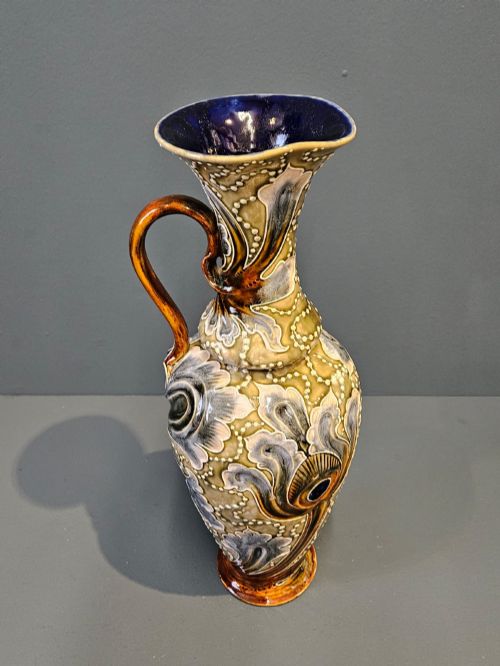
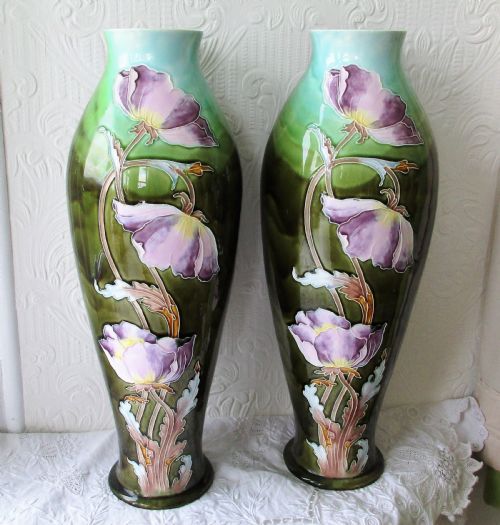
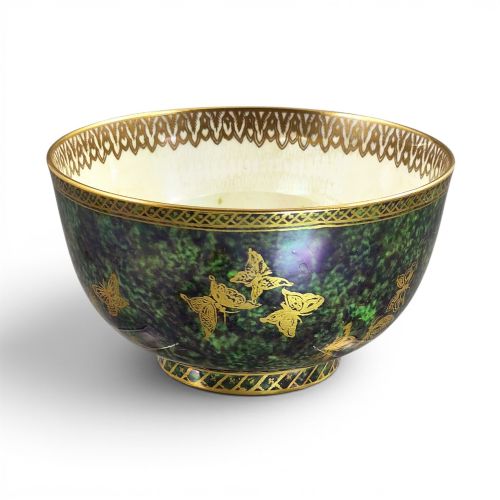
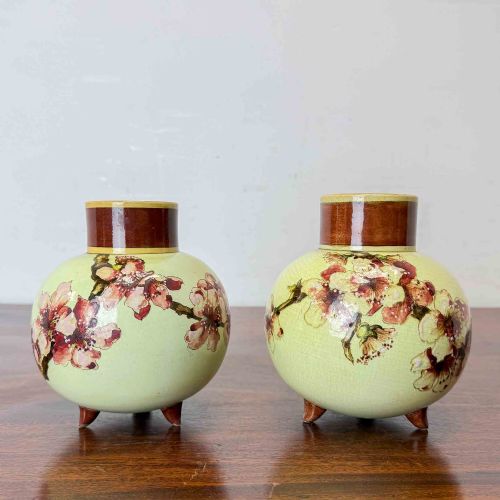
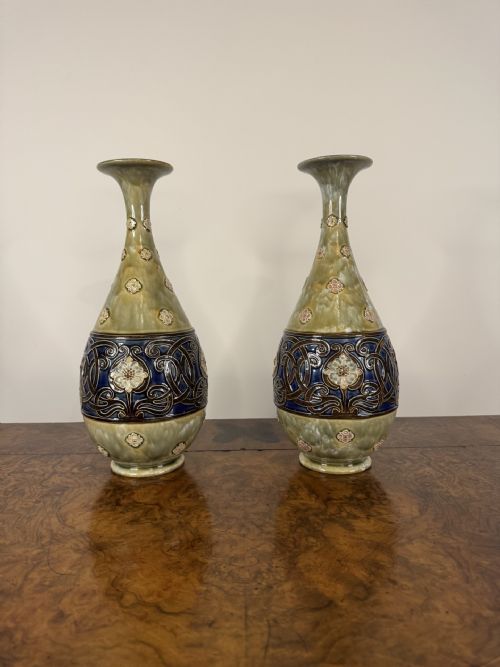


Green Pottery Vessel
When a green pottery vessel comes to hand, it brings a rich history of glaze and form straight from centuries of global craft.
Green Pottery Vessel
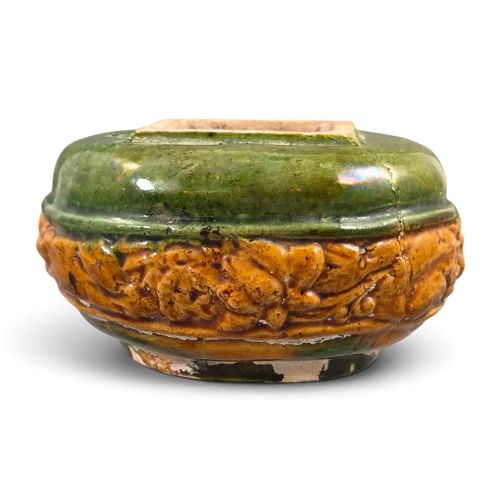
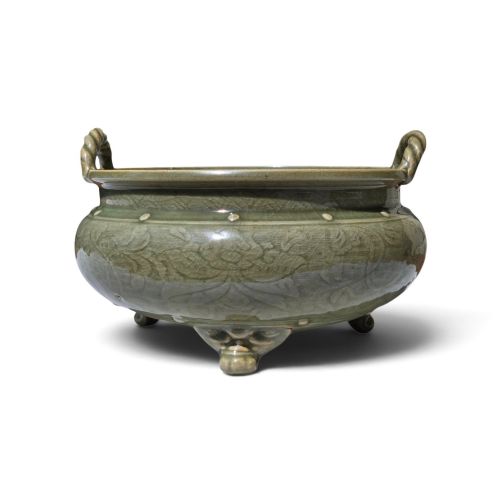
A green pottery vessel encompasses functional and decorative forms ranging from utilitarian storage jars to intricate vases and censers. The selection draws together diverse traditions across periods spanning pre-16th century dynasties to the early 20th century.
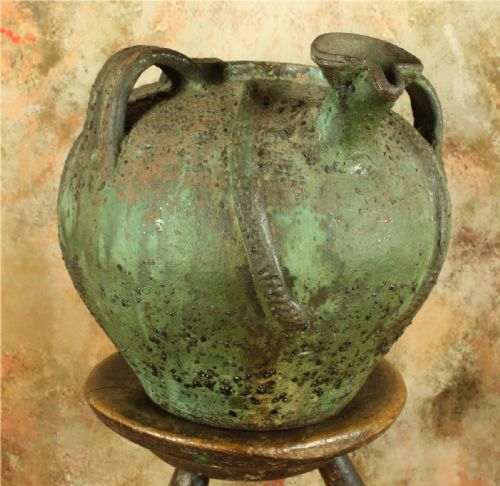
Buyers will encounter items fashioned as ewers, waterpots, bowls, and amphorae. The variety extends from English studio pottery and Victorian stoneware to Asian celadons and French terracotta.
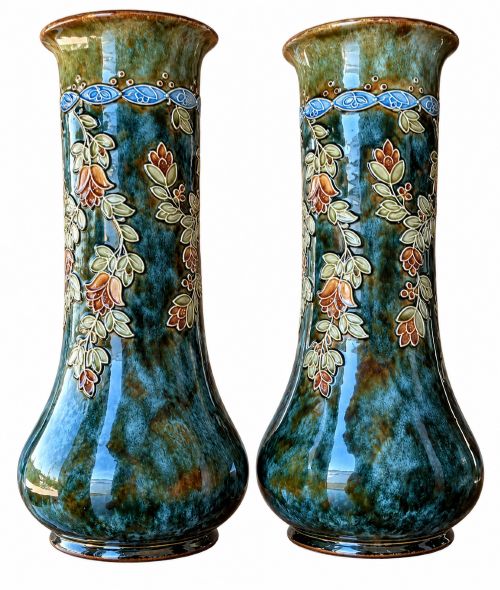
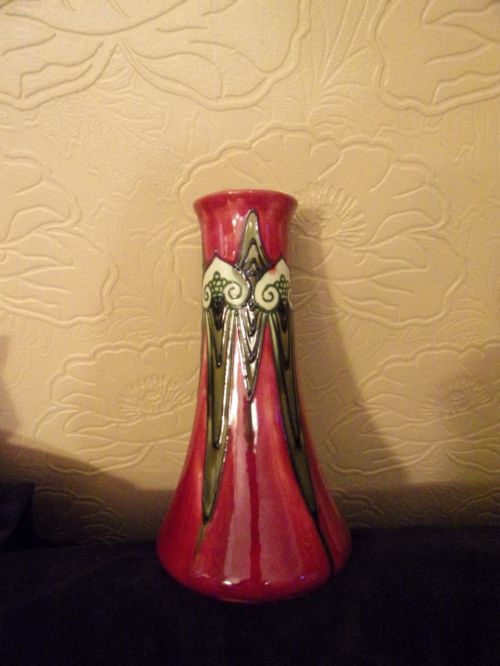
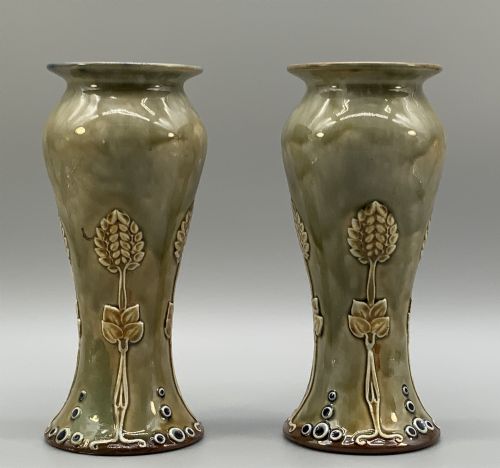
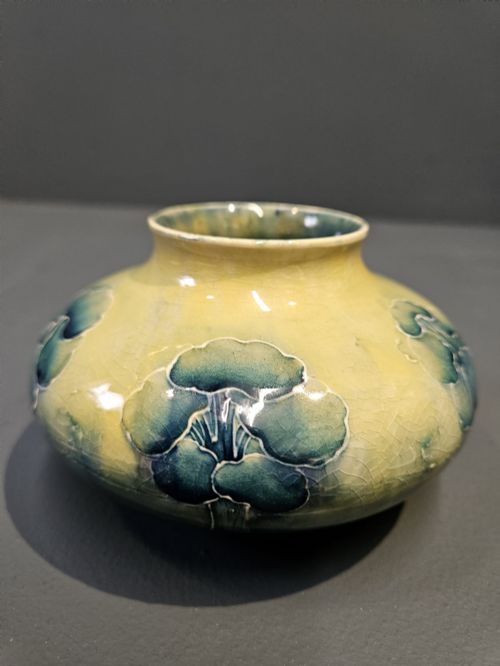
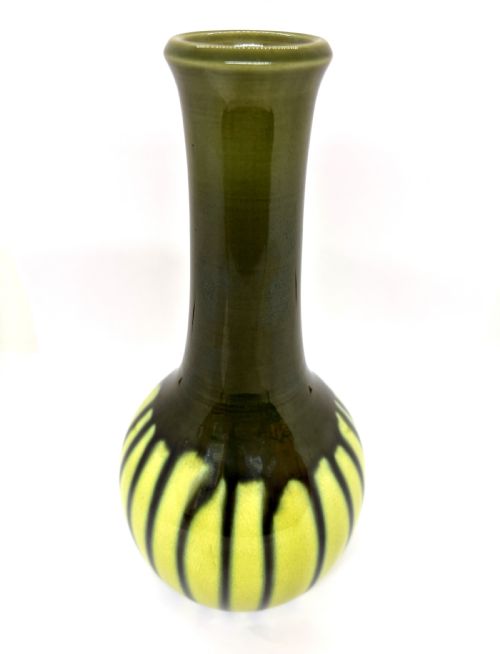
Art Nouveau and Arts and Crafts movements heavily influence the European examples, while older pieces reflect Song, Ming, and Qing dynasties. Each object displays distinct regional interpretations of green glazes and ceramic bodies.
How they were made
Potters utilised earthenware, stoneware, and ceramic bodies, shaping them by hand or on the wheel before applying specialised coatings. Lead glazes, enamel, and tin glaze provide the characteristic green surface finishes seen across these examples.
Firing techniques varied dramatically by region and period, yielding everything from rich celadon surfaces to tube-lined Art Nouveau designs and intricate cloisonné details. Artisans combined traditional throwing with moulded elements, confit jars and pitchers relying on robust terracotta and utilitarian glazing.
The listings span multiple centuries, incorporating 18th-century European delft alongside pre-16th century Chinese celadons.
What varies in quality
The distinction between standard output and masterworks lies in the depth and control of the glaze, alongside the precision of the form. Hand-painted decoration and specialised tube-lined designs demonstrate superior workshop capability.
Provenance and specific maker attribution elevate certain pieces significantly above unmarked utilitarian wares. The harmony between the ceramic body and the green glaze finish determines the overall visual success of the vessel.
Royal Doulton·Minton·Moorcroft·Makuzu Kozan·Joseph Holdcroft
The Green Pottery Vessel Glossary
- Majolica
- A colourful tin-glazed earthenware developed in various European traditions during the 19th century. This technique produces vibrant, glossy surfaces on decorative vessels and teapots.
- Stoneware
- A robust ceramic fired at high temperatures until vitrified and rendered impermeable to liquids. It forms the dense body for many Victorian and Art Nouveau jugs.
- Earthenware
- Porous pottery fired at lower temperatures, commonly found in traditional French confit jars and utilitarian vessels. It requires a glaze to hold liquids effectively.
Green Pottery Vessel: Frequently Asked Questions
What is a green pottery vessel used for?
These items served varied historical purposes, functioning as water pots, incense burners, oil jars, and decorative vases in domestic and ritual settings.
Today, collectors appreciate them primarily as decorative focal points or as cabinet pieces that showcase historic ceramic techniques.
How do I care for antique ceramic vessels?
Keep these pieces away from direct sunlight and sudden temperature changes to protect the historic glaze and ceramic body from stress.
Dust them gently with a dry, soft cloth and avoid submerging older earthenware or porous pieces in water.
How can I tell the period of a glaze?
Earlier periods like the Song and Ming dynasties typically feature refined celadon or Qingbai glazes on ancient ceramic bodies.
Later 19th and 20th-century pieces often display vibrant Art Nouveau reactive glazes, majolica colours, or specialised studio pottery finishes.
Are these vessels waterproof?
While stoneware and glazed ceramics can often hold water safely, older earthenware and porous antique vessels may seep moisture over time.
It is safest to use a discreet glass liner inside antique jugs and vases if you intend to display fresh flowers.