


Green Porcelain Figure
These pieces gather green porcelain figure examples spanning animal studies, human characters and candlesticks from the eighteenth century to the mid-twentieth century.
Green Porcelain Figure
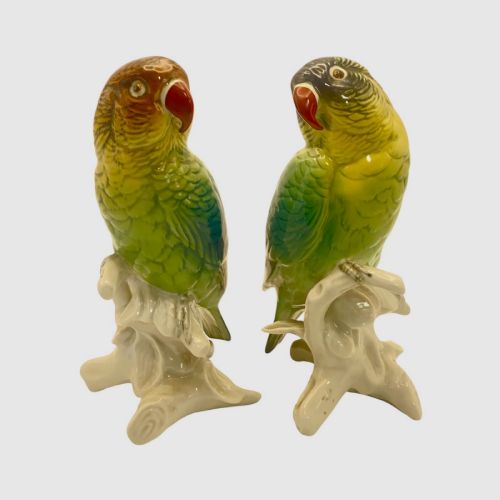
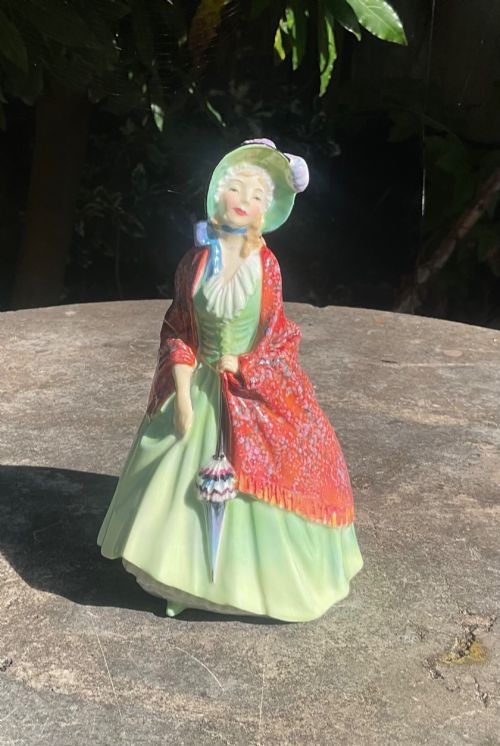
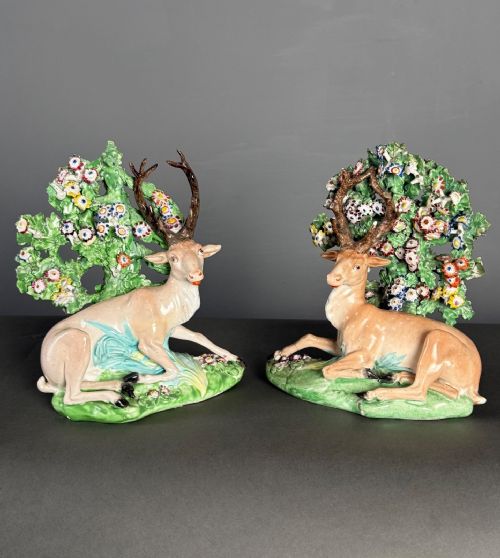
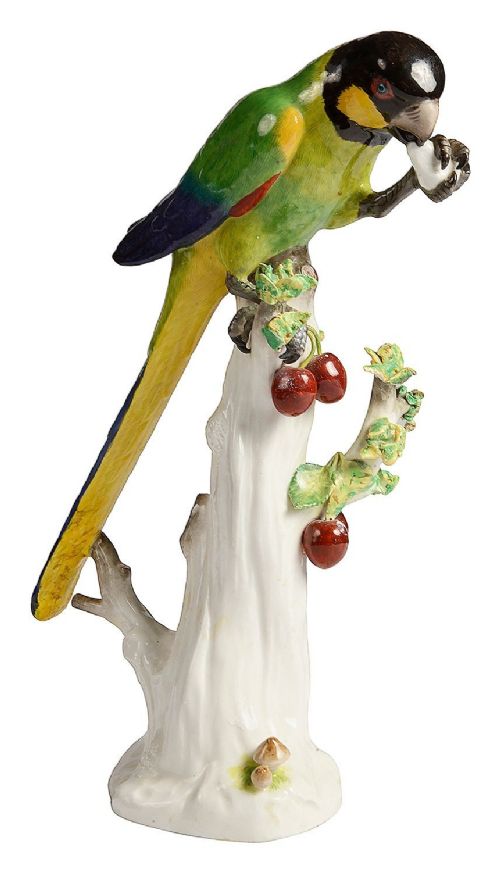
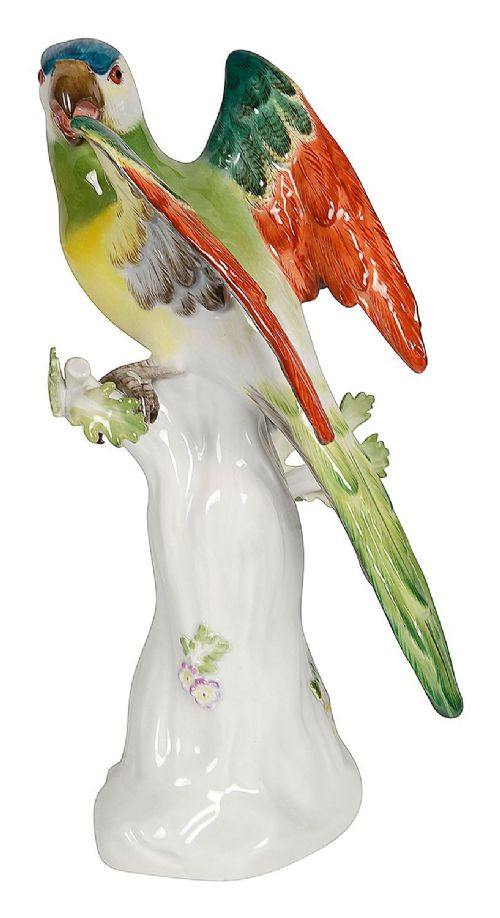
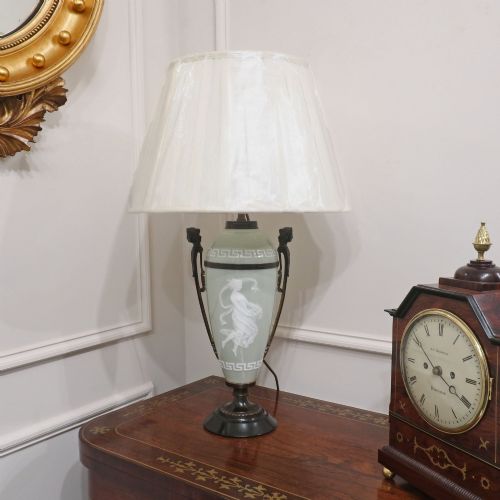
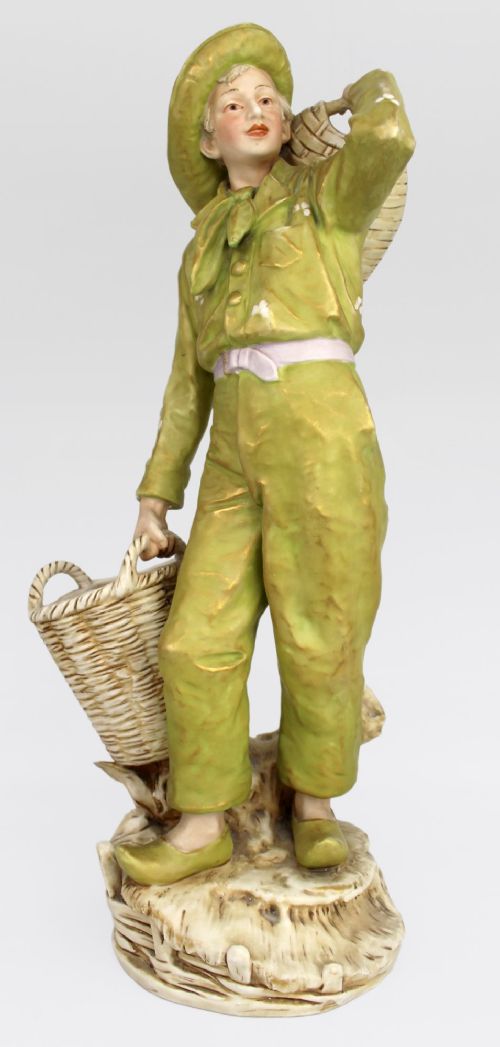
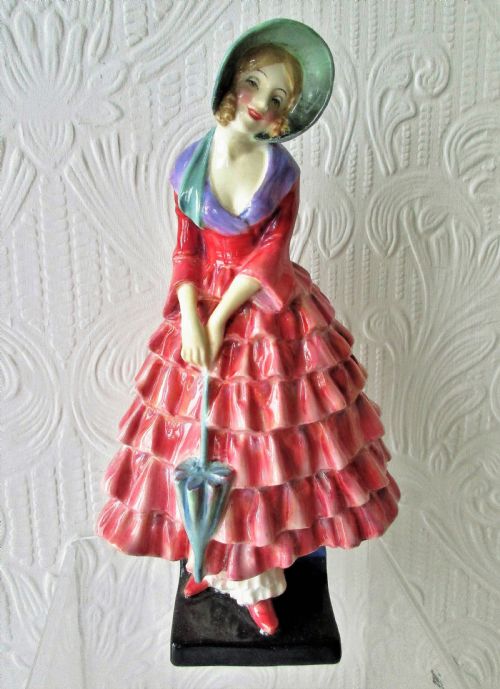
When you search for green porcelain figure items, you encounter a diverse range of ceramic and porcelain objects spanning centuries of European and Asian production. The selection encompasses animal models such as parrots, stags, leopards and Foo dogs alongside human figurines, candlestick groups and table lamps.
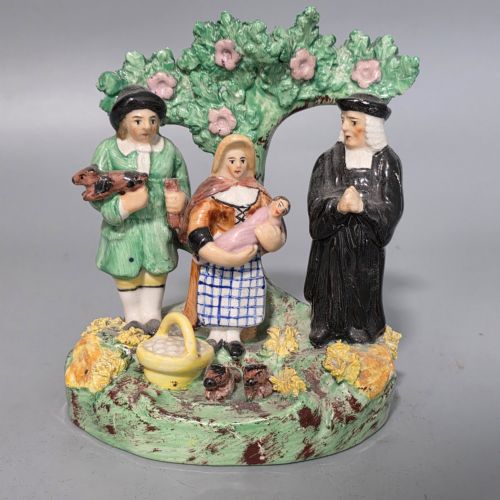
You are most likely to meet nineteenth-century Staffordshire pottery figures, mid-nineteenth to early twentieth-century Derby porcelain, and various Chinese ceramic pieces featuring green glaze or enamel highlights. These pieces serve primarily as decorative objects, mantel ornaments and occasional lighting components.
The physical scale and subject matter vary widely, from miniature animals and snuff bottles to substantial pairs of birds and human character groups. European factories and Asian kilns both contributed significantly to this category through distinct regional traditions.
How they were made
Makers utilised ceramic pastes, earthenware, bone china and hard-paste porcelain, shaping them via moulds or hand-modeling before applying glazes and enamel pigments. Sancai glazes, monochrome green washes and complex overglaze enamels provide the predominant coloration across these works.
Surface ornamentation frequently incorporates hand-painted details, gilding with gold leaf, and specialised techniques such as pate-sur-pate where layers of slip build up low-relief designs. Kiln firing fixed these mineral colours and glazes to the ceramic body, creating durable decorative surfaces.
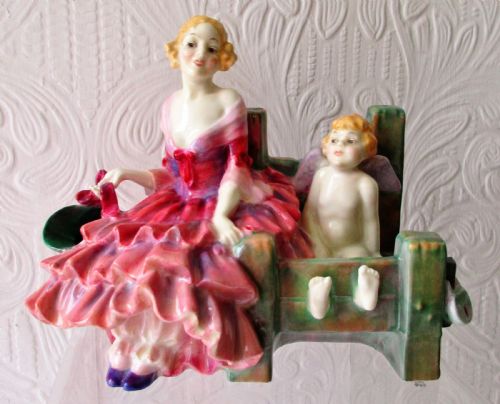
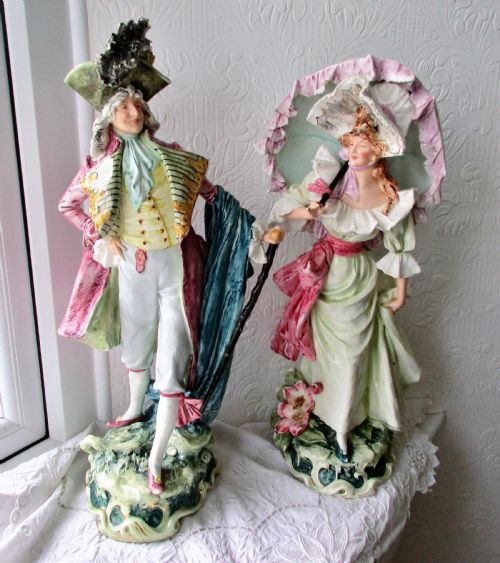
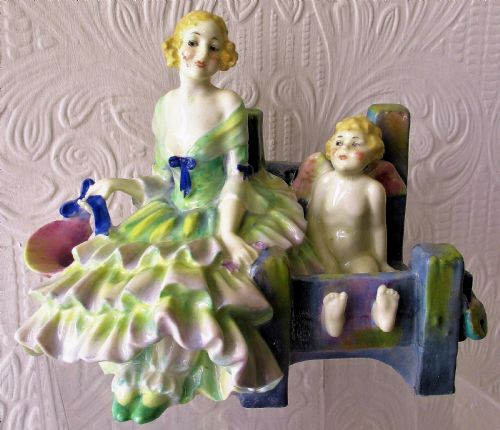
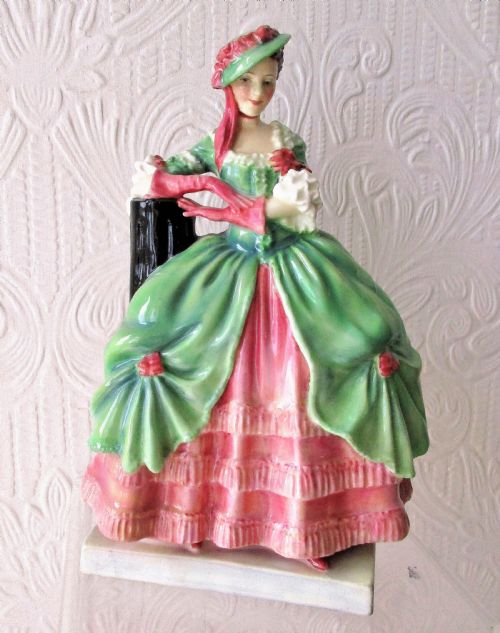
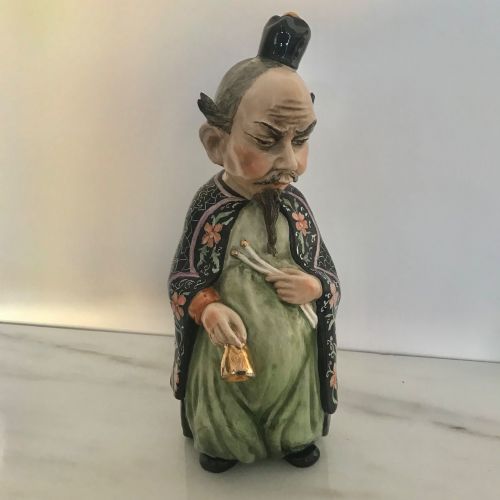
Several grumpy-looking Chinese laughing boys and watchful Foo dogs keep guard over the polite company of European ladies.
What varies in quality
The standard of modeling and sculptural definition separates sophisticated studio pieces from commercial output. Crisp hand-painting, delicate facial expressions and detailed feather or fur rendering elevate specific figures above standard production runs.
Factory attribution and clear period markers, such as early patch-marks or distinct maker stamps, influence the standing of an item. The preservation of original polychrome enamels, gold leaf and monochrome green glazes without excessive wear dictates the overall integrity of the piece.
Karl Ens·Royal Doulton·Derby·Meissen·Royal Dux Bohemia·Royal Worcester·Eichwald·Niderviller
The Green Porcelain Figure Glossary
- Porcelain
- A hard, fine-grained ceramic material fired at high temperatures, traditionally made from kaolin and petuntse. It produces a vitrified, non-porous body that rings when struck.
- Sancai
- A traditional lead-glazed ceramic technique utilising three primary colours, often amber, green and cream or white. It appears prominently on Chinese pottery figures and vessels.
- Pate-sur-pate
- A method of ceramic decoration where successive layers of liquid clay slip are built up on a dark body to create a low-relief cameo effect. This technique demands considerable skill from the decorator.
- Staffordshire
- A major English pottery-producing region encompassing numerous towns that manufactured earthenware and porcelain figures. These works often depict animals, literary characters and cottages.
- Foo Dog
- A traditional Chinese architectural guardian lion depicted sitting and guarding entrances. In ceramic form, these figures frequently display green glazes or Famille Rose enamels.
Green Porcelain Figure: Frequently Asked Questions
What periods do these green figures come from?
The listings span from the eighteenth century through the nineteenth century into the mid-twentieth century. Examples include Georgian Derby models and later Victorian and Art Deco pieces.
Production dates reflect both European factory output and Asian ceramic traditions across these eras.
How were these figures used originally?
Many served as decorative mantel ornaments, decorative table lamps, or practical items like candlesticks and incense holders. Animal models and human figures added colour and character to period interiors.
Smaller pieces functioned as cabinet specimens or functional objects such as snuff bottles and brush washers.
How do I care for antique porcelain figures?
Keep them away from direct sunlight to protect enamel colours and gold leaf highlights. Dust gently with a soft, dry brush to prevent accumulation.
Avoid immersion in water, particularly for pieces with delicate overglaze enamels or glued repairs.
How can I tell the difference between periods?
Stylistic indicators such as Victorian realism, Art Nouveau sinuous lines, or Georgian modeling conventions help establish age. Base marks, stamps, and glaze characteristics offer further chronological clues.
Comparing known factory output and standard paste types assists in confirming the era of manufacture.