


Green Glazed Porcelain Figures
Green glazed porcelain figures range from Chinese dynastic dogs to European Art Deco ladies, bringing vibrant colour and character to a room.
Green Glazed Porcelain Figures
Green glazed porcelain figures encompass a diverse array of decorative sculptures, figurines, and ornaments produced across multiple centuries and continents. When searching for green glazed porcelain figures, collectors encounter everything from nineteenth-century European factory pieces to earlier Asian ceramics.
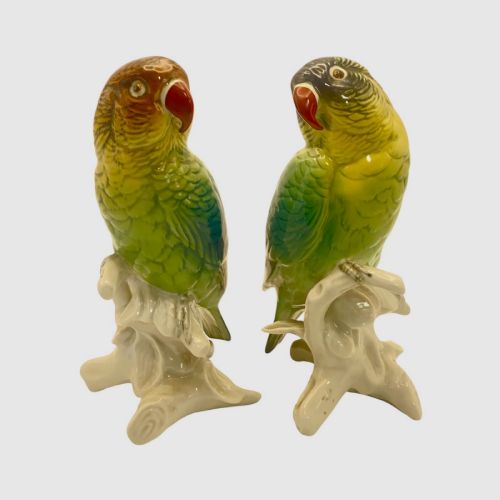
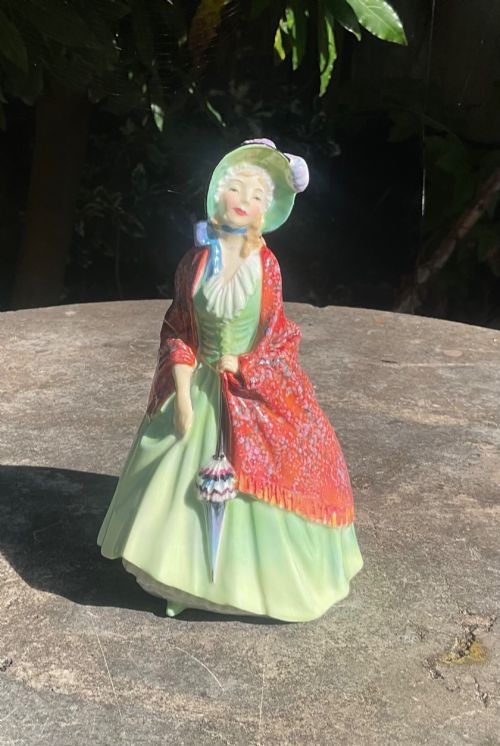
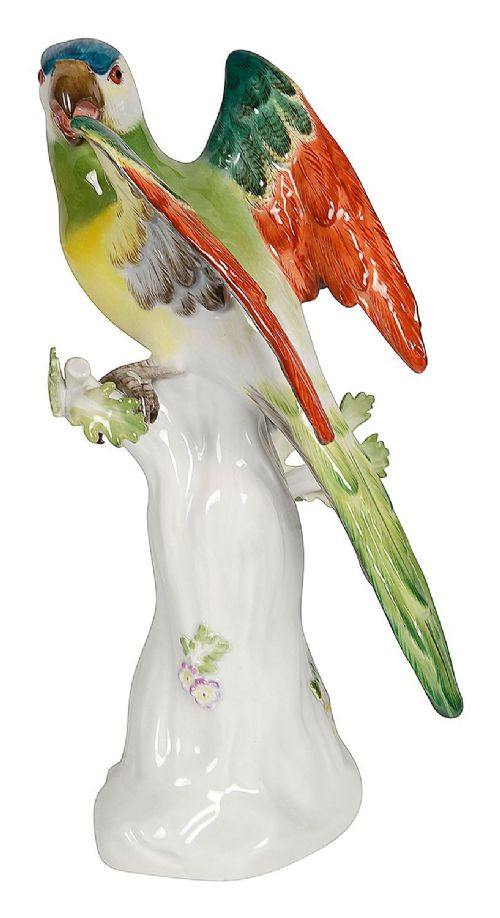
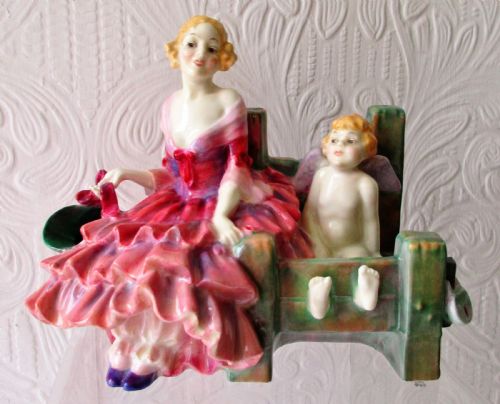
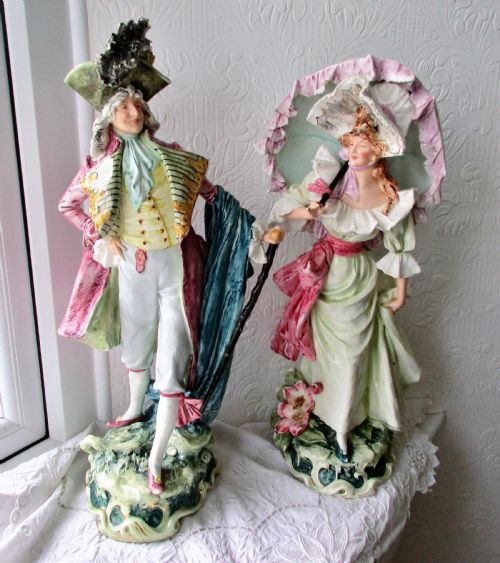
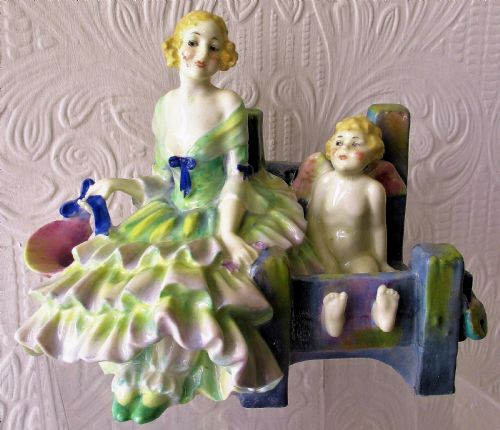
The selection on this page leans heavily towards nineteenth-century examples and twentieth-century productions, including Edwardian figures and Art Deco ceramics. Formats vary from pairs of parrots and ducks to human figures like fishermen, laughing boys, and stylized ladies.
Origins span widely across English potteries, German porcelain works, Bohemian manufactories, and Chinese dynasties. Buyers find both whimsical animal models and formal human studies shaped by the stylistic movements of their respective periods.
How They Were Made
The creation of these pieces relies primarily on ceramic, bone china, earthenware, and porcelain bodies shaped into detailed sculptural forms. Artisans applied specialised glazes and enamels, including sancai, celadon, and pale green monochrome finishes, before firing the pieces in kilns.
Many items incorporate hand-painted details over the glaze or rely on the liquid pooling of the green glaze itself to accentuate the contours of feathers, drapery, and fur. Surface treatments range from high-gloss transparent finishes to crackle and matte textures characteristic of specific potteries and eras.
The selection includes animal forms such as parrots, ducks, sheep, and lions alongside human figurines.
What Varies in Quality
The reputation of the maker and the fidelity of the style - whether Art Deco, Qing Dynasty, or Victorian - play a major role in the standing of a piece. Original factory marks, signatures, and early numbering systems provide tangible markers of a superior provenance.
Karl Ens·Royal Doulton·Meissen·Royal Dux·Wedgwood and Co Ltd·Shelley·Minton·Royal Worcester
The Green Glazed Porcelain Figures Glossary
- Celadon
- A term for pottery denoting both European wares imitating Chinese originals and the characteristic pale green transparent glaze itself. This glaze achieves its subtle hue from iron oxide fired in a reduction atmosphere.
- Sancai
- A traditional three-colour type of decoration on Chinese pottery using low-firing lead glazes, though pieces often feature prominent amber, cream, and green tones. The colours tend to run and interlace naturally during the firing process.
- Foo Dog
- A traditional Chinese architectural guardian figure, properly called a Chinese guardian lion, depicted as a stylized lion protecting sacred spaces. These figures frequently appear in pairs with one holding a ball and the other a cub.
- Bisque
- Unglazed porcelain fired once to a state where it absorbs moisture readily, offering a matte, marble-like texture. It allows sculptural details to remain exceptionally sharp and unmasked by glossy coatings.
- Enamel
- Opaque glass-like material fused to the surface of ceramic or porcelain during a secondary low-temperature firing. Enamels provide vibrant secondary colours alongside the primary green glaze.
Green Glazed Porcelain Figures: Frequently Asked Questions
What are green glazed porcelain figures?
These pieces are moulded and sculpted ceramic ornaments, animals, and human figures finished with green glazes or enamels. They encompass diverse traditions from Chinese dynastic wares to European porcelain manufactories.
Collectors find forms ranging from parrots and ducks to human figures produced during the nineteenth and twentieth centuries.
How were green glazed porcelain figures used?
Many of these pieces served as decorative mantel ornaments, table centrepieces, or display items within Victorian and Edwardian homes. Some functional forms, such as brush washers or incense holders, combined domestic utility with sculptural display.
In Asian traditions, certain figures like Foo Dogs served as guardian symbols or ritual objects before entering Western decorative collections.
How do I style green glazed porcelain figures at home?
The vibrant green tones of these ceramics make them natural focal points on bookshelves, sideboards, or mantelpieces. Pairing animal figures in sets, such as ducks or parrots, creates visual symmetry in a room.
They integrate well into both traditional period rooms and modern interiors seeking a splash of historic colour.
How can I tell different periods apart?
Stylistic indicators such as Art Deco geometries, Victorian ornate detailing, or Qing period motifs offer immediate clues to a piece's age. Factory marks, signatures, and early model numbers stamped or painted on the base provide definitive chronological evidence.
The specific composition of the ceramic body, whether earthenware, bone china, or heavy porcelain, also points toward specific manufacturing eras.